



Georgian Porcelain Tea Bowl
A georgian porcelain tea bowl brings delicate form and hand-painted history to the table, offering a tangible link to eighteenth and nineteenth-century tea culture.
Georgian Porcelain Tea Bowl
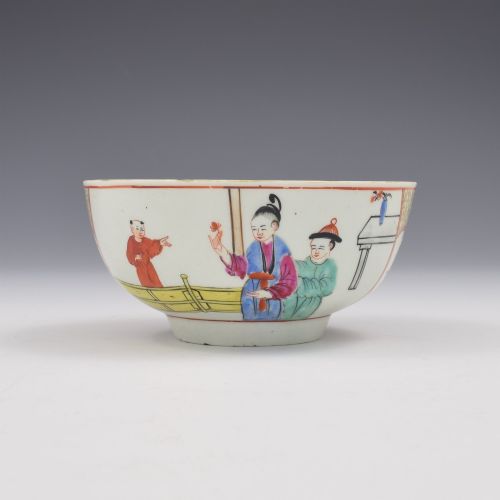
A georgian porcelain tea bowl is a handleless drinking vessel designed for eighteenth and nineteenth-century tea service, often accompanied by a matching saucer. These domestic items survive from periods spanning the eighteenth century through the regency era and into the nineteenth century.
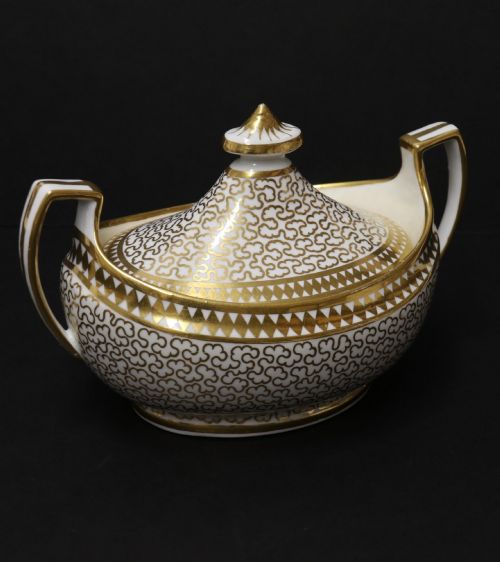
The pieces encountered on this page most frequently take the form of tea bowls, sometimes paired with saucers or found alongside related tableware such as sucriers and slop bowls. Makers from Worcester, New Hall, and Derby feature prominently among the surviving examples.
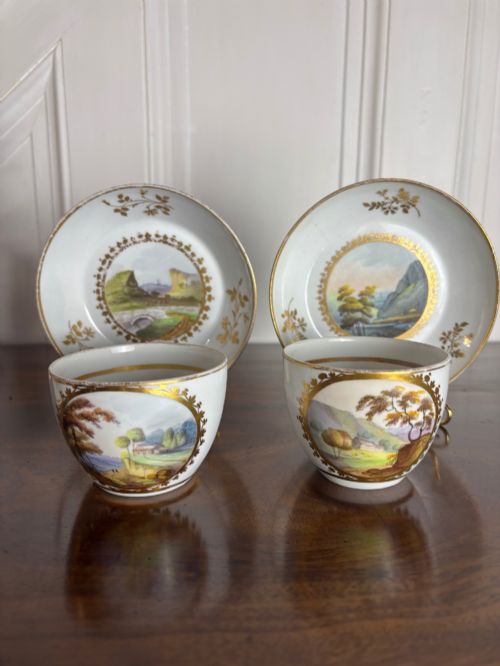
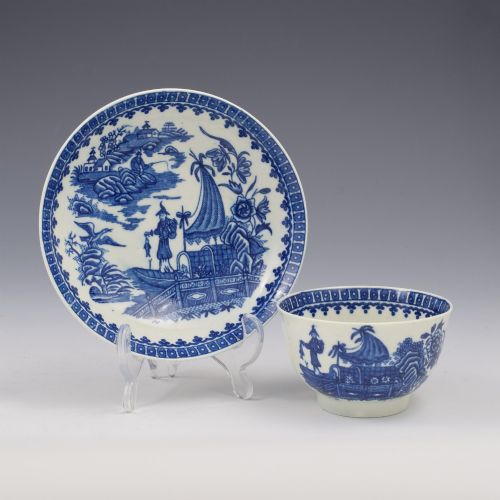
Buyers will find both blue and white decorated vessels and brightly enamelled wares displaying botanical, landscape, or figurative motifs. The selection encompasses soft-paste porcelain creations alongside later felspar and standard porcelain bodies.
How they were made
Potters shaped these vessels using soft-paste porcelain or standard porcelain bodies, often moulding them with fluted surfaces or chrysanthemum patterns before firing. Cobalt glaze provided the foundation for underglaze blue painting, while subsequent enamels added polychrome decoration.
Gilding and gold leaf were frequently applied to enrich borders and rims, requiring an additional low-temperature firing to bond the metal to the glaze. Specialised decorators, including independent studios like that of James Giles, executed intricate landscape and figurative scenes over the glaze.
What varies in quality
The refinement of the porcelain body and the crispness of the moulding dictate the baseline quality of each vessel, with thinner, more translucent walls demanding greater technical skill. Early soft-paste bodies often display characteristic warps or kiln scars that distinguish them from later, more stable porcelain compositions.
Painted decoration separates standard output from superior examples, visible in the precision of brushwork on detailed chinoiserie figures or intricate guilloche borders. The application of gold leaf and the vibrancy of enamel colours further elevate the standing of individual pieces.
Chamberlains Worcester·Spode·Flight Barr and Barr·New Hall·Lowestoft·Coalport·James Giles·Derby·Minton·Ridgway
The Georgian Porcelain Tea Bowl Glossary
- Tea bowl
- A handleless drinking vessel used for consuming tea before the adoption of handled teacups in general British practice. These small vessels fit comfortably in the palm.
- Sucrier
- A covered sugar bowl designed as part of a matching tea service. They often feature domed lids and twin handles.
- Soft-paste porcelain
- An artificial porcelain composition fired at lower temperatures than hard-paste, common in eighteenth-century English factories. It produces a warm, creamy translucency.
- Slop bowl
- A larger vessel used during tea service to discard spent tea leaves and dregs before pouring a fresh cup. They match the decorative scheme of the tea bowls and saucers.
- Cobalt glaze
- A deep blue mineral pigment applied beneath the glaze before firing to create durable underglaze blue decoration. It withstands high kiln temperatures without fading.
Georgian Porcelain Tea Bowl: Frequently Asked Questions
What is a tea bowl?
A tea bowl is a small, handleless drinking vessel used in eighteenth and nineteenth-century domestic settings for consuming tea.
These pieces were held directly in the hand, and their handleless design predates the widespread popularity of standard teacups.
How were they used?
They were used for drinking tea during formal and social gatherings, often filled directly from a porcelain teapot.
Spent leaves were emptied into a matching slop bowl before fresh tea was poured for the next round.
How do I identify periods?
Periods are identified through paste composition, factory marks, and stylistic shifts ranging from eighteenth-century blue and white to regency gilding.
Early pieces often utilise soft-paste porcelain, while nineteenth-century items introduce refined felspar bodies and distinct enamel palettes.
How do I care for them?
These delicate porcelain vessels require gentle hand washing in warm water without abrasive cleaners to protect the historic enamel and gilding.
They should be stored securely away from heavy stacking to prevent rim chipping on the fragile porcelain bodies.