

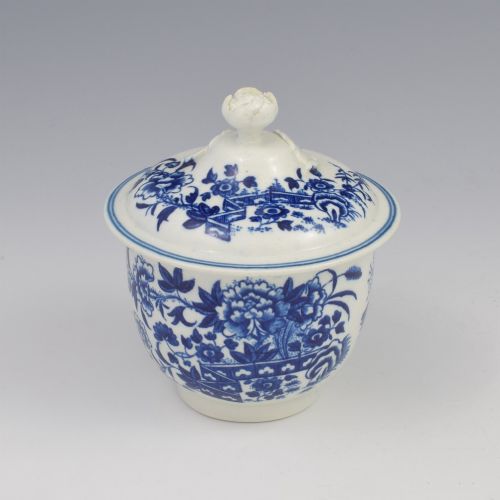


Underglaze Blue Ceramic Bowl
An underglaze blue ceramic bowl carries pigment beneath a vitreous layer, uniting centuries of Chinese, Japanese and English craft in domestic vessels.
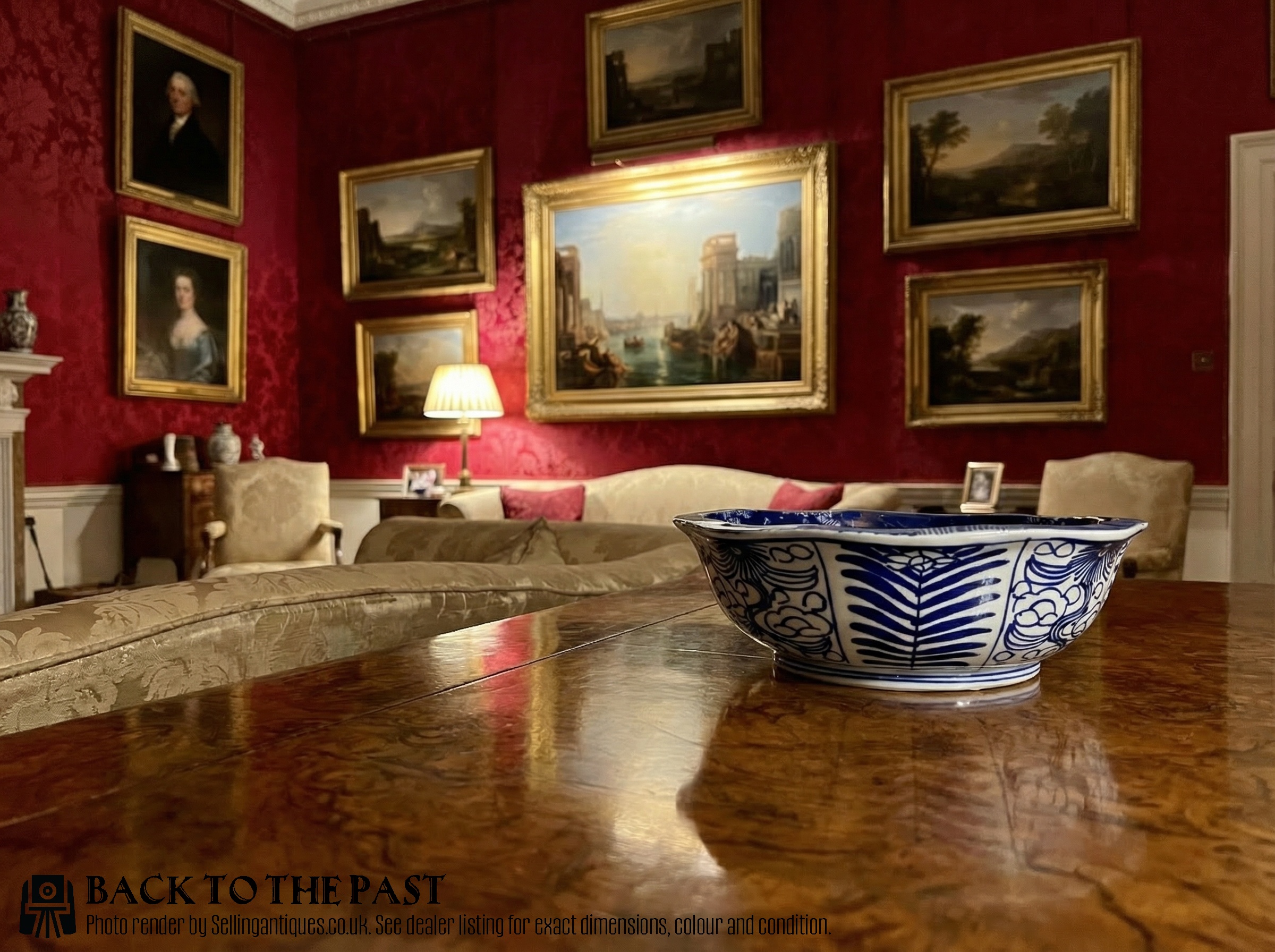
Underglaze Blue Ceramic Bowl
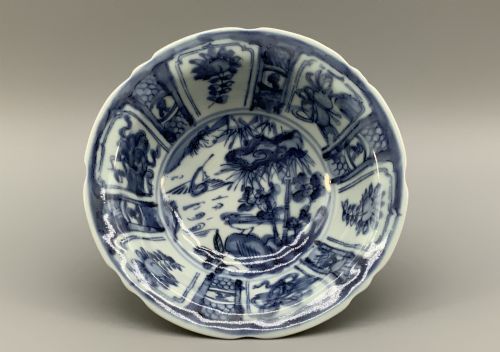
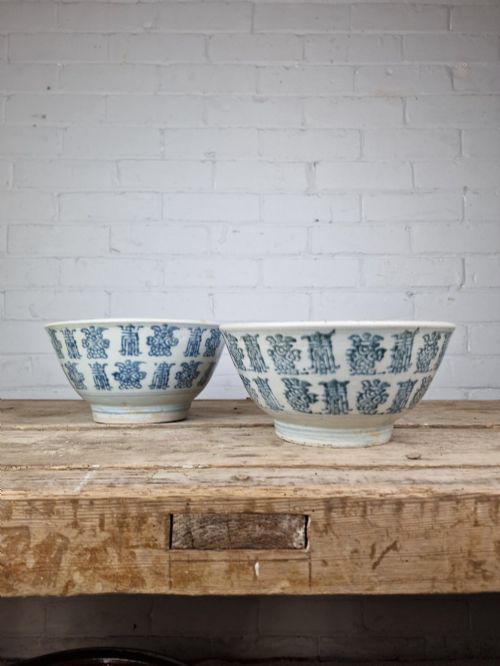
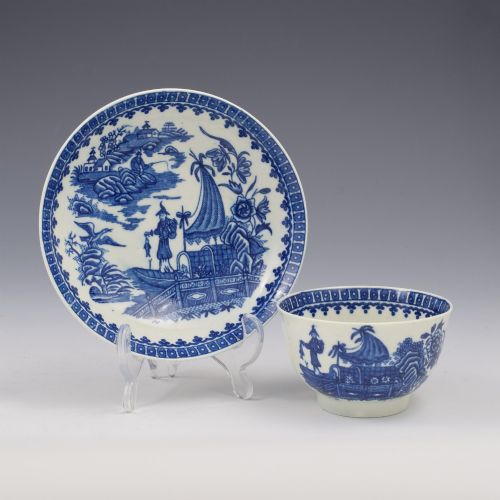
When you search for an underglaze blue ceramic bowl, you encounter historic tableware created across multiple centuries and manufacturing centres. The selection on this page relies heavily upon Chinese export porcelain from the Ming and Qing dynasties, alongside Japanese Arita and Imari wares and English factories such as Worcester and Derby.
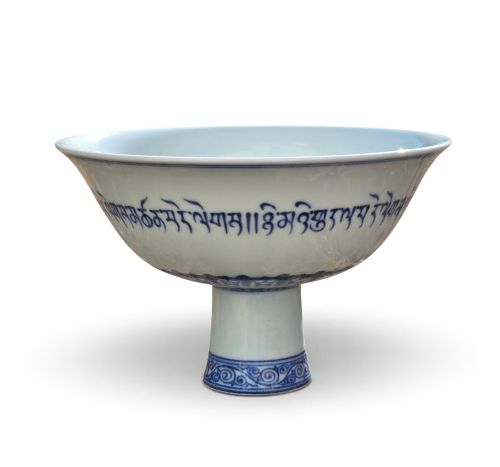
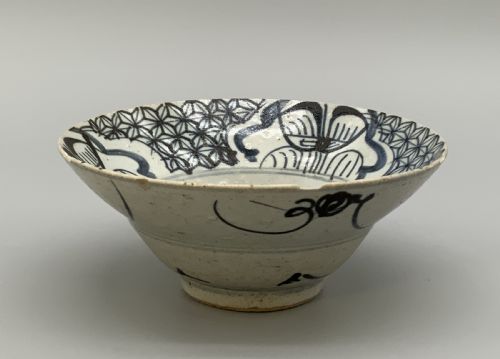
Vessels range from intimate tea bowls and stem cups to large punch bowls, jardiniere planters and provincial dishes. Most examples originate from the seventeenth, eighteenth and nineteenth centuries, reflecting the enduring global demand for cobalt-decorated ceramics.
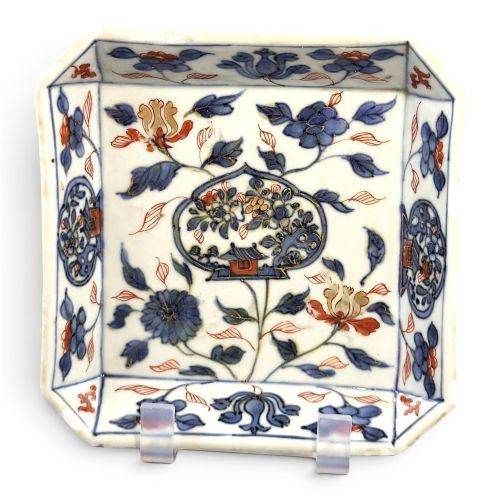
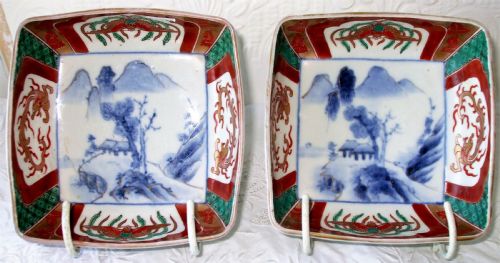
Buyers meet both utilitarian domestic items and decorative exhibition pieces designed for export markets. Forms vary from simple circular profiles to lobed, chamfered square and scalloped configurations influenced by traditional Asian and Georgian tastes.
Materials and technique
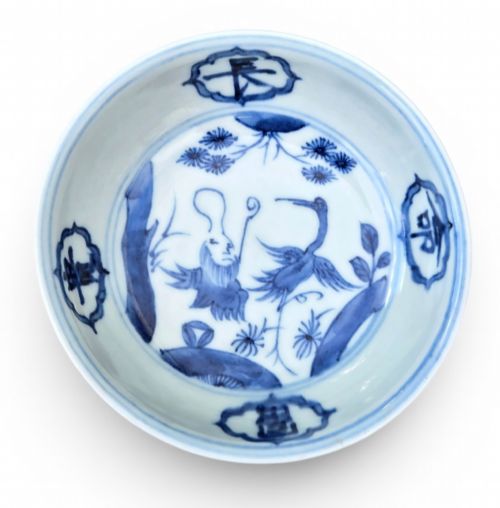
Potters shape hard-paste porcelain, soft-paste porcelain or ceramic bodies before painting designs directly onto the raw clay using cobalt pigment. This metallic oxide withstands high kiln temperatures without burning away, unlike enamel applied over the glaze.
A liquid glass glaze coats the painted vessel before it enters the kiln for a single high-temperature firing. This process seals the cobalt beneath a protective vitreous layer, yielding deep blue decoration that remains protected from surface wear.
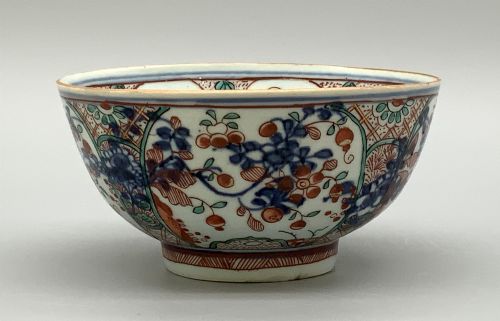
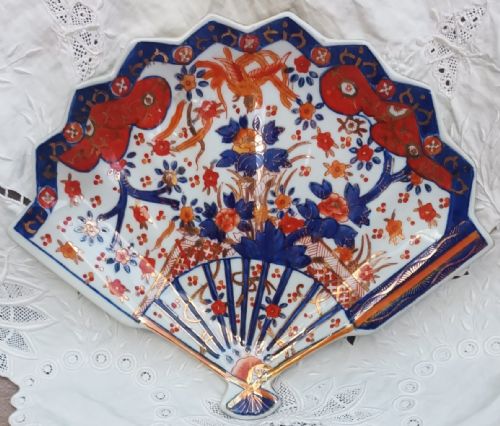
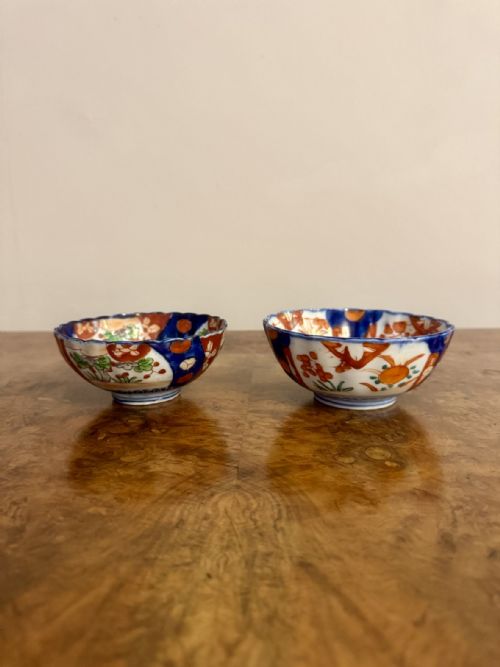
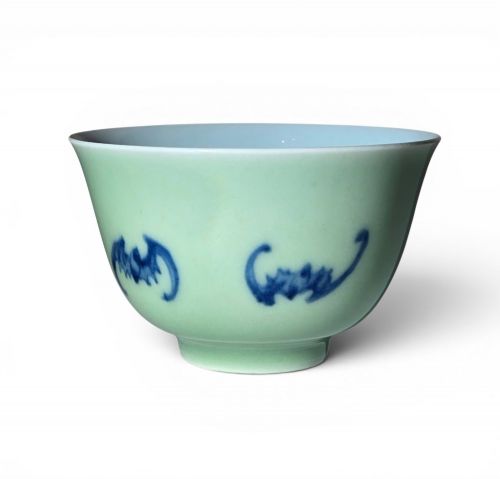
Select pieces incorporate secondary materials including gold leaf accents or contrasting celadon grounds. Japanese Imari wares combine cobalt underglaze painting with iron-red and gilt overglaze decoration for a polychrome effect.
Several bowls retain their original maritime journey scars, having survived cargo shipwrecks to sit quietly on modern shelves.
Assessing quality
The refinement of the ceramic body and the clarity of the cobalt pigment dictate the distinction between standard provincial items and exceptional wares. Superior examples display crisp, controlled brushwork where fine details remain sharp rather than blurred by excessive heat in the kiln.
The purity of the white ground and the smoothness of the glaze surface influence visual success. Early pieces from the Kangxi and Ming periods demonstrate significant technical mastery in achieving uniform colour distribution across complex forms.
The Underglaze Blue Ceramic Bowl Glossary
- Underglaze blue
- Pigment applied to pottery before glazing and firing. This technique protects the cobalt decoration beneath a glassy surface layer.
- Imari
- Japanese export porcelain decorated in underglaze blue, iron red and gold. Originating in Arita, these vibrant wares gained immense popularity in Europe.
- Celadon
- Pale green jade-like glaze applied to ceramics. It frequently provides a contrasting backdrop for underglaze blue painting.
- Soft-paste porcelain
- A ceramic composition containing glass frit and white clay. English factories utilised this formula before discovering native china clay deposits.
- Doucai
- A Chinese porcelain technique combining underglaze blue outlines with overglaze enamel infill. Potters fired the piece twice to set both colour types.
Underglaze Blue Ceramic Bowl: Frequently Asked Questions
How are these bowls dated?
Potters often applied reign marks, imperial hall marks or cyclical dates to the base of Chinese porcelain. Stylistic indicators, potting characteristics and kiln methods help date unmarked pieces and European wares from English factories.
Examinations of the foot rim, paste composition and glaze texture provide further clues regarding the manufacturing era. Comparing decorative motifs against dated examples in museum collections confirms the period of origin.
Can I use these bowls daily?
Most antique bowls require careful handling due to their age and delicate ceramic composition. While historic vessels served functional dining roles, modern use risks accidental impact damage or thermal shock.
Displaying them securely or limiting usage to dry storage ensures their physical preservation. Gentle hand washing without harsh detergents protects the glaze and any delicate overglaze enamel highlights.
Why does the blue colour vary in shade?
Cobalt pigment reacts to variations in kiln temperature, oxygen levels and mineral composition during firing. Different batches of ore produce distinct hues ranging from pale violet-blue to dark inky tones.
Kangxi period pieces are particularly celebrated for achieving vibrant sapphire shades through refined mineral preparation. Controlled brush loading by the artist also creates tonal shading within individual painted motifs.