



Worcester Porcelain Tea Bowl
A worcester porcelain tea bowl is a tangible piece of eighteenth-century and nineteenth-century history, sought after for its delicate forms and painted detail.
Worcester Porcelain Tea Bowl
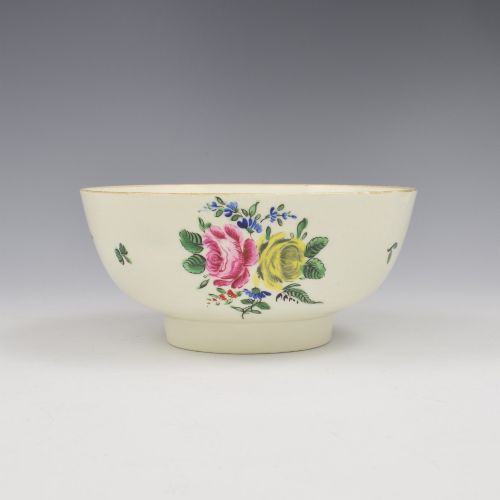
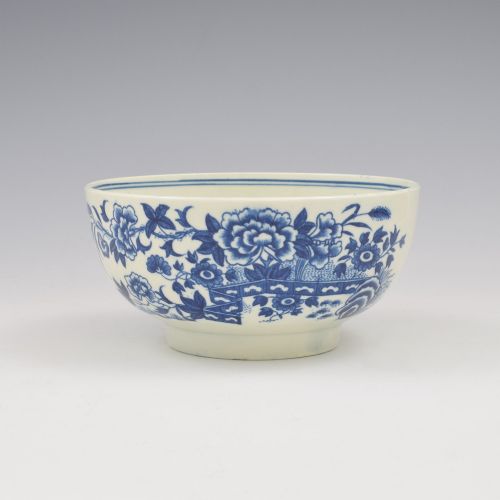
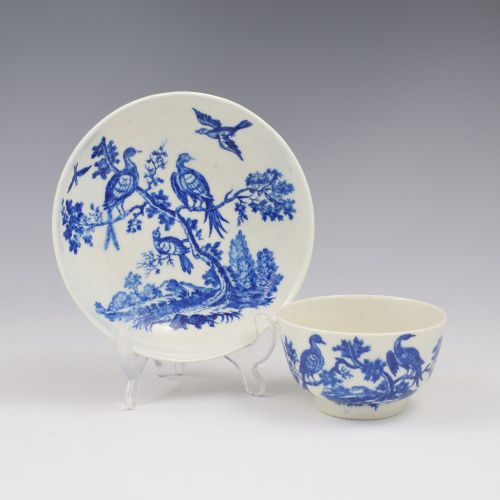
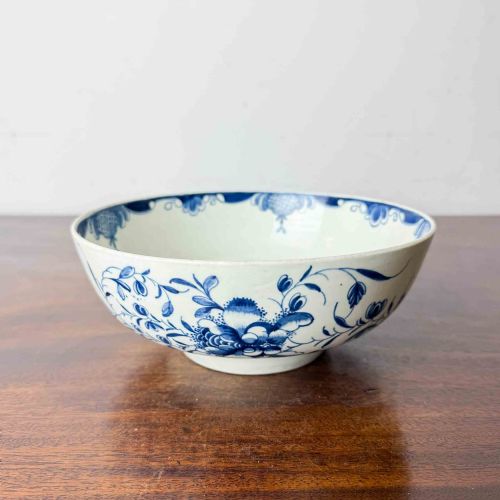
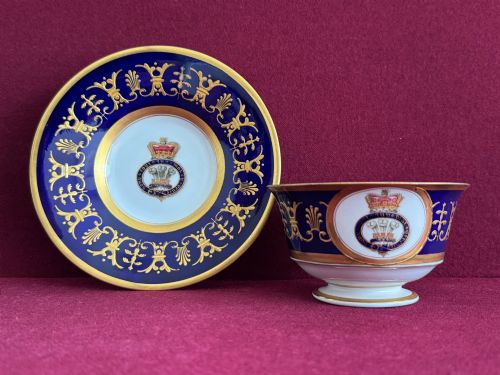
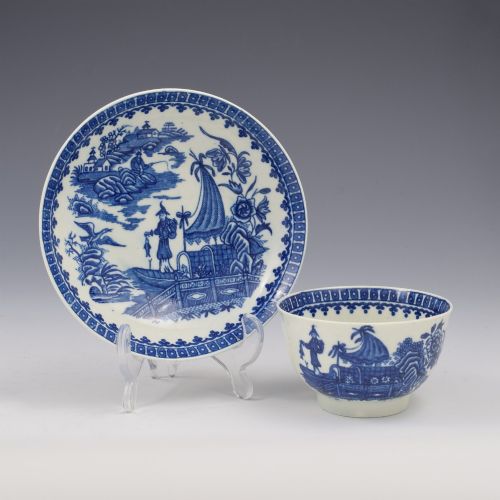
A worcester porcelain tea bowl is a small, handleless drinking vessel produced in Worcestershire during the eighteenth and nineteenth centuries, often accompanied by a matching saucer. The pieces on this page span the Georgian and Regency eras, originating from periods such as the First Period under Dr Wall, alongside later iterations by Chamberlain and Flight, Barr and Barr.
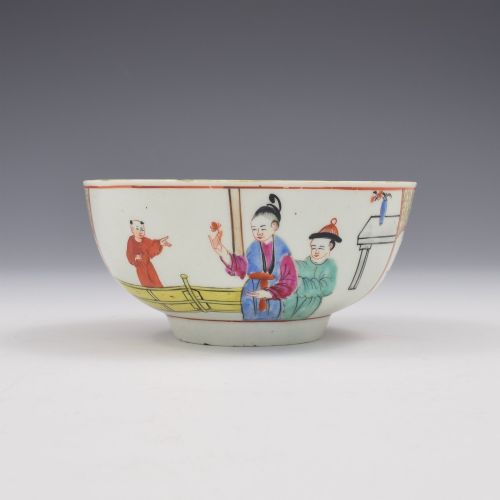
Buyers frequently encounter blue and white painted patterns including the fence design, prunus root, and three flowers, alongside polychrome subjects such as Mandarin figures and fancy birds. Forms range from simple fluted tea bowls to larger slop bowls and complete trios designed for domestic tea service.
What varies in quality
Quality rests in the crispness of the underglaze cobalt painting and the precision of the hand-applied gilding and enamel details. Early Dr Wall pieces with deep cobalt glazes and clear transfer or brush work command attention for their artistic execution.
The sophistication of the moulded body, such as spiral fluting or intricate lambrequin borders, distinguishes standard production from finer cabinet pieces intended for elite collections.
Worcester Porcelain Tea Bowl Retail Price Guide 2026
Typical asking prices for worcester porcelain tea bowl among the pieces listed under this phrase on Sellingantiques today, from the lower quarter to the upper quarter. They describe what is for sale here now, not the wider market.
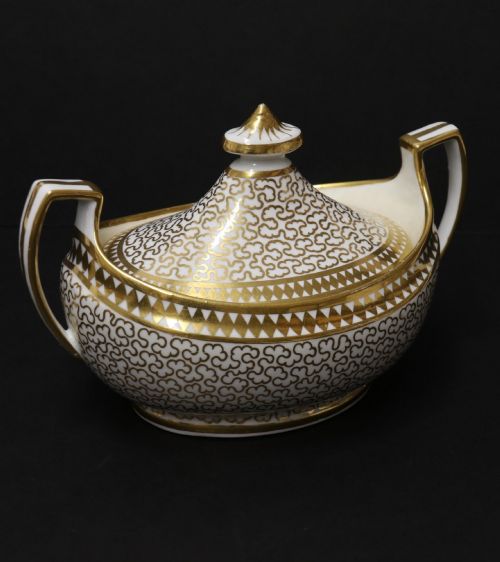
The inventory records forms including sugar bowls, tea bowls, slop bowls, and trios decorated with cobalt glaze and blue scale grounds.
Dr Wall Worcester·Chamberlains Worcester·Flight Barr and Barr
The Worcester Porcelain Tea Bowl Glossary
- Tea bowl
- A small, handleless cup designed for drinking tea before the widespread adoption of handled teacups in England. These vessels sit comfortably in the palm.
- First Period
- The foundational era of the Worcester porcelain factory, lasting from its establishment around 1751 until approximately 1783 under the direction of Dr John Wall. Pieces from this era often bear open crescent or workhouse marks.
- Slop bowl
- A larger bowl used during tea service to receive dregs of cold tea and tea leaves before pouring a fresh cup. They match the patterns of the smaller tea bowls.
- Sucrier
- A covered sugar bowl or box used in eighteenth and nineteenth century tea sets. These vessels frequently feature moulded finials and matching stands.
- Soft-paste porcelain
- An artificial ceramic paste composed of white clay, glass frits, and ground minerals, fired at lower temperatures than hard-paste porcelain. It produces a soft, luminous body characteristic of early English factories.
Worcester Porcelain Tea Bowl: Frequently Asked Questions
How do I identify a First Period Worcester tea bowl?
First Period pieces date roughly between 1751 and 1783, identifiable through soft-paste porcelain bodies, underglaze blue Chinese-inspired motifs, and crescent or disguised numeral marks underneath.
Later Regency pieces display whiter bodies, heavier gilding, and distinct factory marks associated with the Flight or Chamberlain partnerships.
Did people drink hot tea directly from these bowls?
Georgian tea drinkers held these handleless bowls in both hands, allowing the warmth of the tea to be felt through the thin porcelain walls.
Saucers were frequently used to cool small amounts of tea poured from the bowl before drinking.
What is the difference between a tea bowl and a teacup?
Tea bowls are entirely handleless vessels modeled after imported Chinese porcelain prototypes used during the eighteenth century.
Teacups incorporate handles and appeared later in the period as British dining habits shifted toward European forms.
How should I care for antique Worcester porcelain?
Wash these pieces gently by hand in warm water using mild soap, avoiding modern dishwashers and harsh scrubbers that damage soft glazes and gold leaf.
Display them away from direct sunlight and dramatic temperature fluctuations to protect the historical body.