


Blue White Porcelain Basket
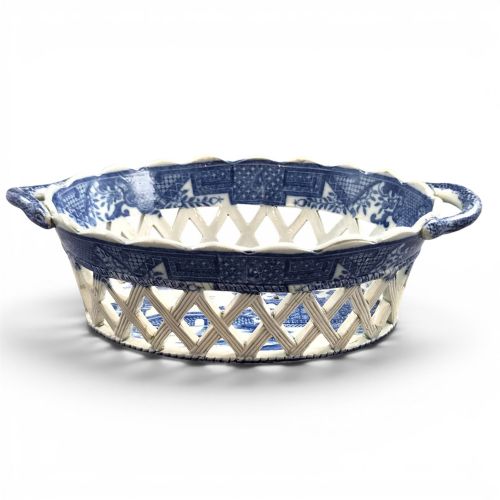
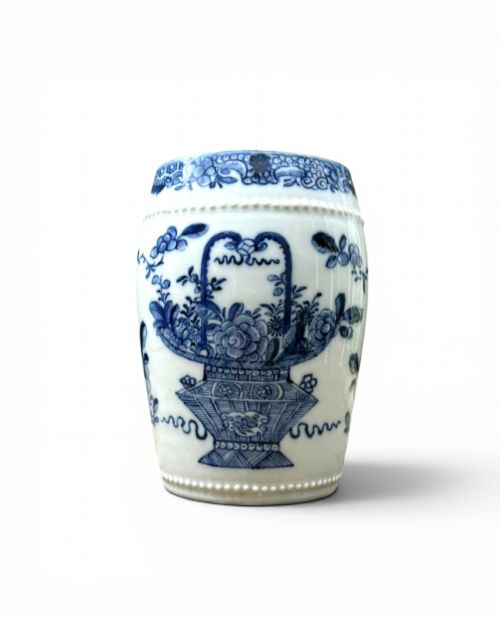
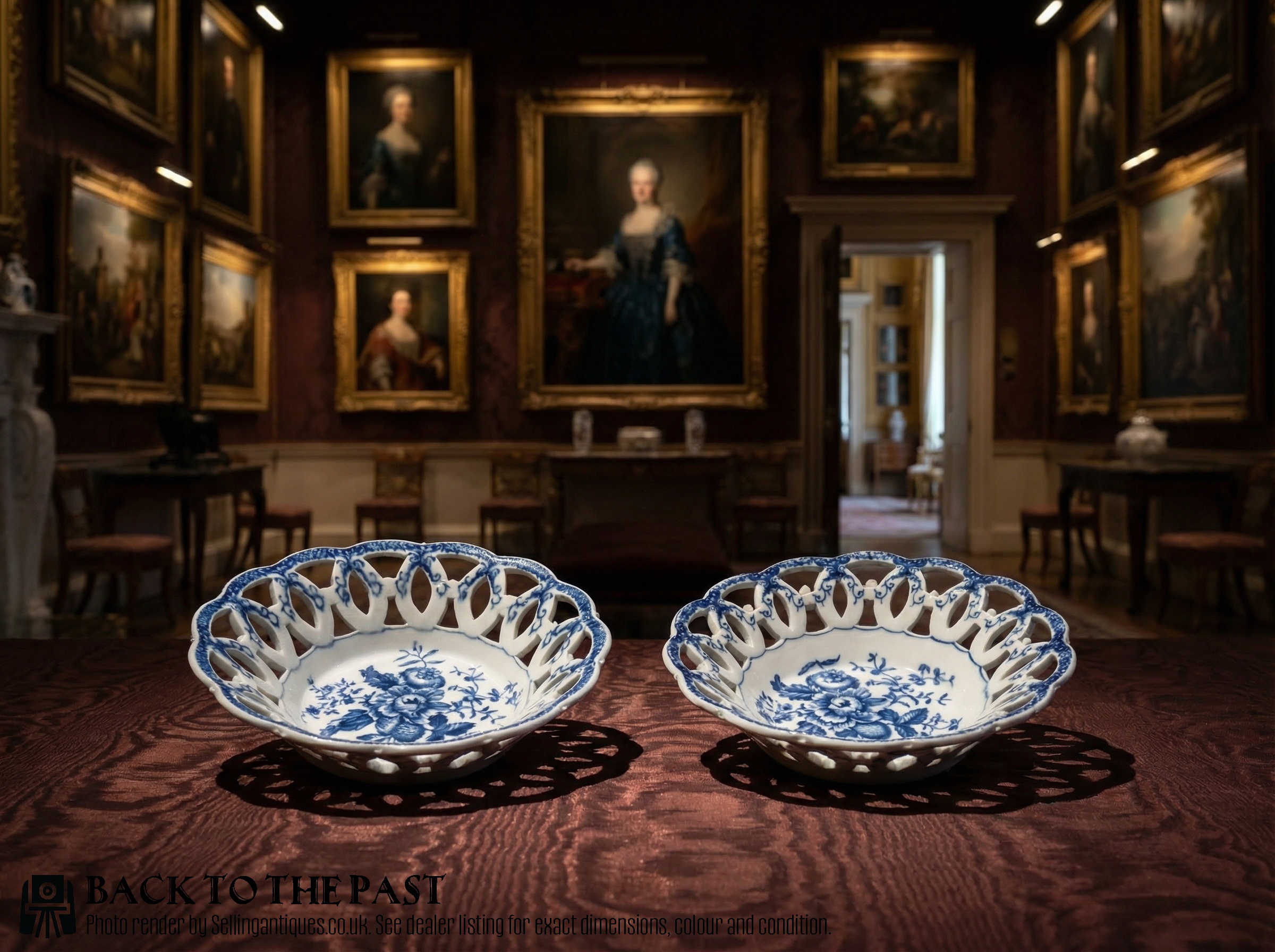
These blue white porcelain baskets bring 18th-century Worcester and Chinese Export craftsmanship straight to your table.
What these blue white porcelain baskets are
A blue white porcelain basket combines delicate ceramic form with traditional cobalt underglaze painting, originating in periods such as the 18th century and 19th century.
The selections here encompass decorative baskets, chestnut baskets with lids, and circular baskets reflecting Georgian and Chinese Export styles.
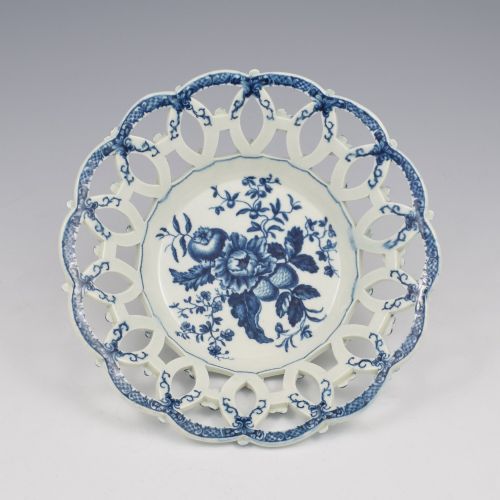
Collectors most frequently encounter pieces associated with Dr Wall First Period Worcester porcelain alongside sets of Chinese porcelain baskets and stands.
How they were made
Makers utilised soft-paste porcelain and standard porcelain bodies to shape intricate decorative bowls and baskets.
The distinctive decoration relies on cobalt glaze and cobalt blue glaze applied as a cobalt underglaze before firing.
Retail Price Guide 2026
Typical UK retail prices for blue white porcelain basket, calculated from the Sellingantiques database of over a million retail prices indexed since 2003. This retail price guide relies exclusively on Sellingantiques data; no external sources or auction records are used, so the figures do not describe the wider market.
Listings span the 18th century and 19th century, featuring soft-paste porcelain and standard porcelain with cobalt underglaze decoration.
What varies in quality
The refinement of the pierced openwork and the crispness of painted patterns separate standard examples from finer works.
Consistency in cobalt underglaze depth and the survival of matching covers or stands define the upper tier.
The Blue White Porcelain Basket Glossary
- Soft-paste porcelain
- An artificial ceramic composition fired at lower temperatures than hard-paste porcelain, common in early English factories. It produces a warm texture and distinct translucency.
- Cobalt underglaze
- Pigment applied to the ceramic body before the glaze and high-temperature firing. This technique protects the blue colour permanently beneath a glossy finish.
- Pine Cone pattern
- A popular Worcester motif painted in cobalt blue depicting stylised foliage. It remains a hallmark of 18th-century English porcelain production.
- Chestnut basket
- A specialised lidded vessel designed for serving roasted chestnuts at formal dining tables. These pieces often feature woven or pierced lattice sides.
Frequently Asked Questions
What were porcelain baskets used for?
These vessels served elite dining tables as elegant containers for fruit, sweetmeats, or roasted chestnuts during formal dessert courses.
Their decorative openwork also allowed them to sit permanently on sideboards as ornamental display pieces.
How do I date an 18th-century basket?
Dating relies on examining the specific ceramic body, glaze characteristics, and the cobalt pigment application typical of periods like the 18th century.
Factory marks, where present, and stylistic traits such as the pine cone pattern provide further chronological markers.
How should I care for soft-paste porcelain?
Keep these delicate ceramics away from direct sunlight and dramatic temperature fluctuations to protect the glaze.
Dust them gently with a dry, soft cloth and avoid immersion in water, especially if any historic repairs exist.
What is the difference between Worcester and Chinese Export?
Worcester pieces utilise English soft-paste porcelain with characteristic cobalt underglaze painting tailored to European Georgian tastes.
Chinese Export pieces reflect Eastern manufacturing techniques and aesthetic traditions intended specifically for Western markets.