
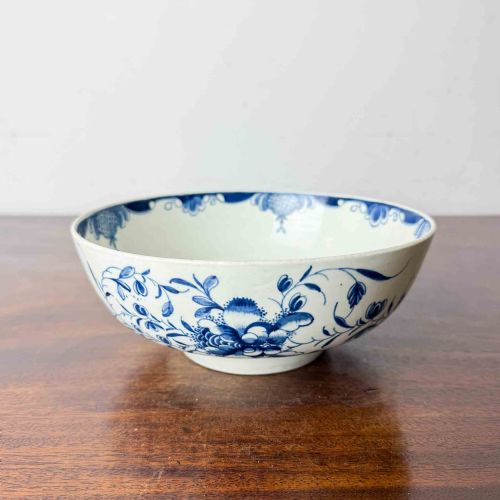
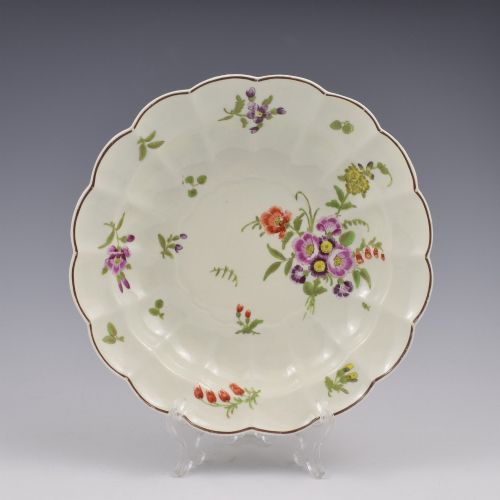
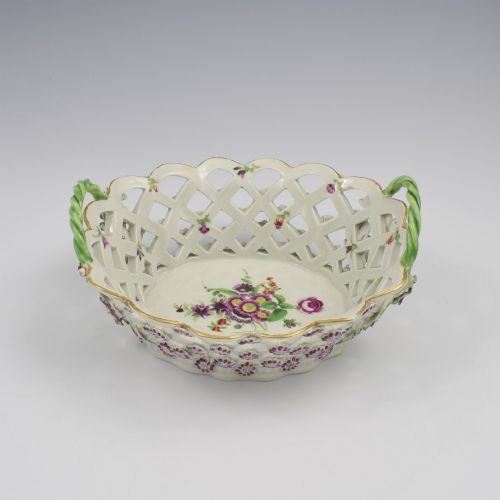
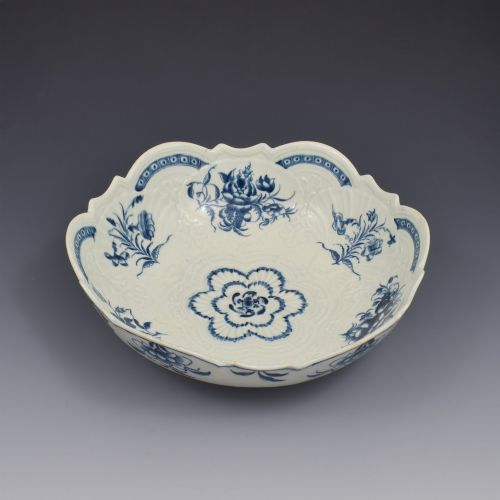
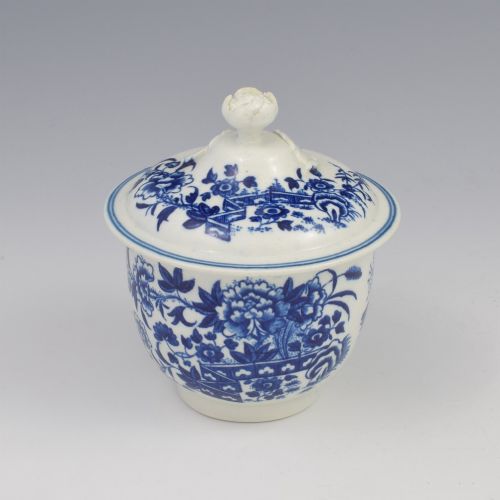


First Period Worcester Bowl
A first period worcester bowl brings eighteenth-century soft-paste porcelain and hand-painted chinoiserie directly to the dining table or cabinet.
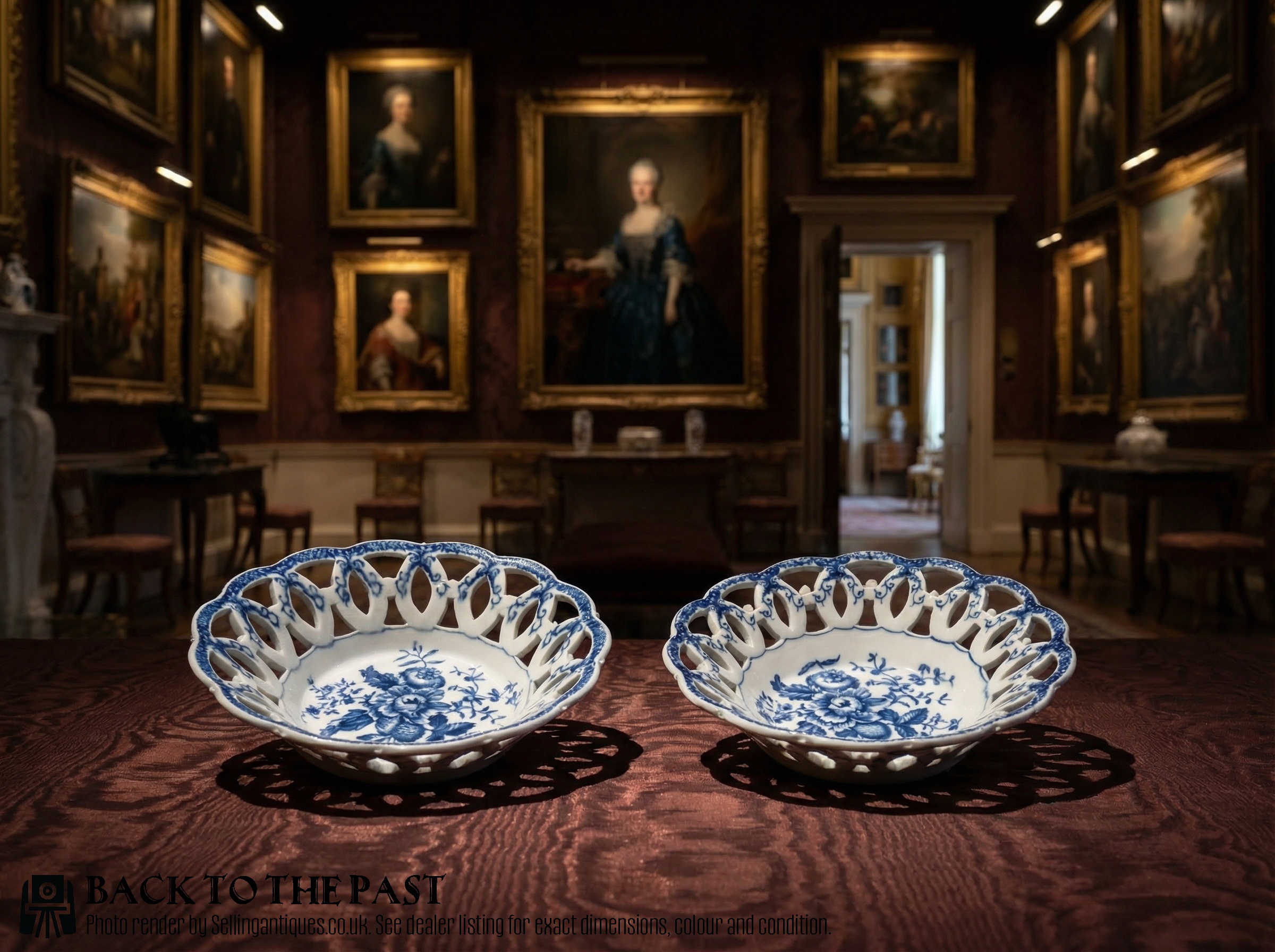
First Period Worcester Bowl
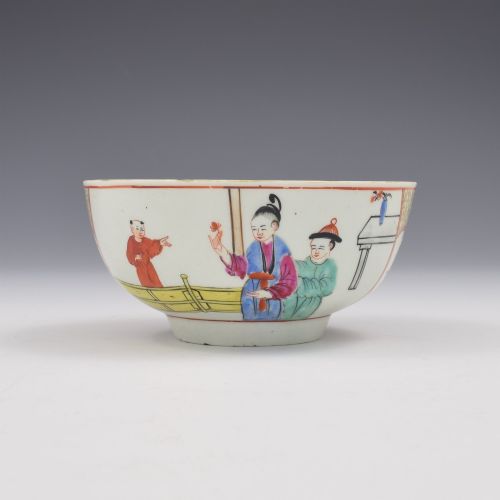
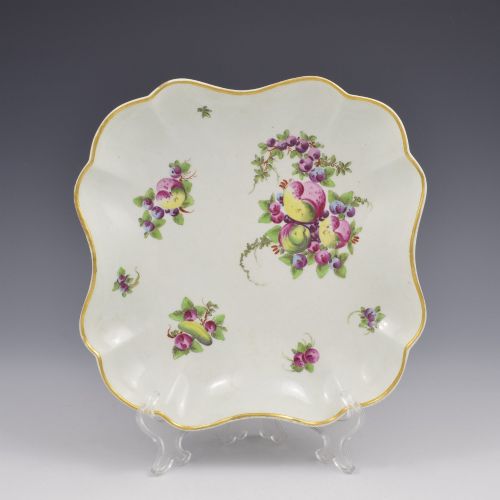
When you search for a first period worcester bowl, you are examining eighteenth-century tableware created during the foundational years of the Worcester factory under the direction of Dr John Wall. These vessels span various forms, including large punch bowls, slop bowls for tea waste, sugar bowls, and fruit dishes, all originating in the Georgian era.
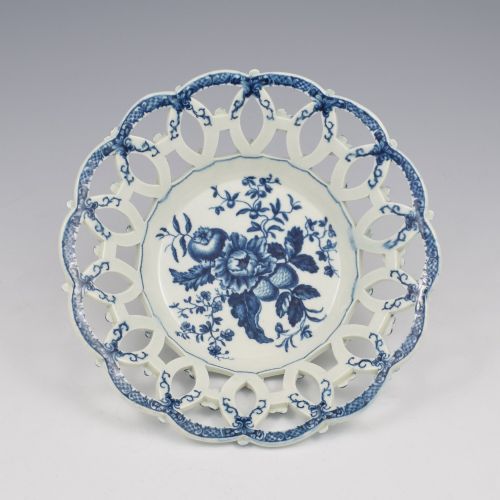
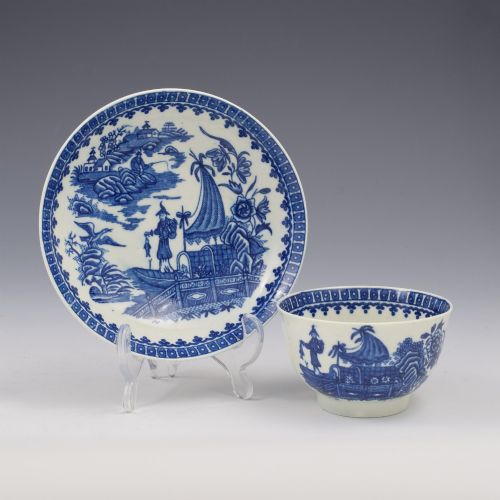
The pieces on this page are most frequently encountered in blue and white transfer-printed or hand-painted patterns such as Fence, Fisherman, and Three Flowers. Polychrome examples also appear, featuring enamel colours, Kakiemon palettes, or rich blue scale grounds highlighted with gold leaf and gilt detailing.
Originating between the mid and late eighteenth century, these bowls reflect the early domestic porcelain industry in England. They demonstrate both utilitarian tea service functions and purely decorative table service roles, often matching contemporary styles influenced by Chinese porcelain and European factories like Meissen and Sèvres.
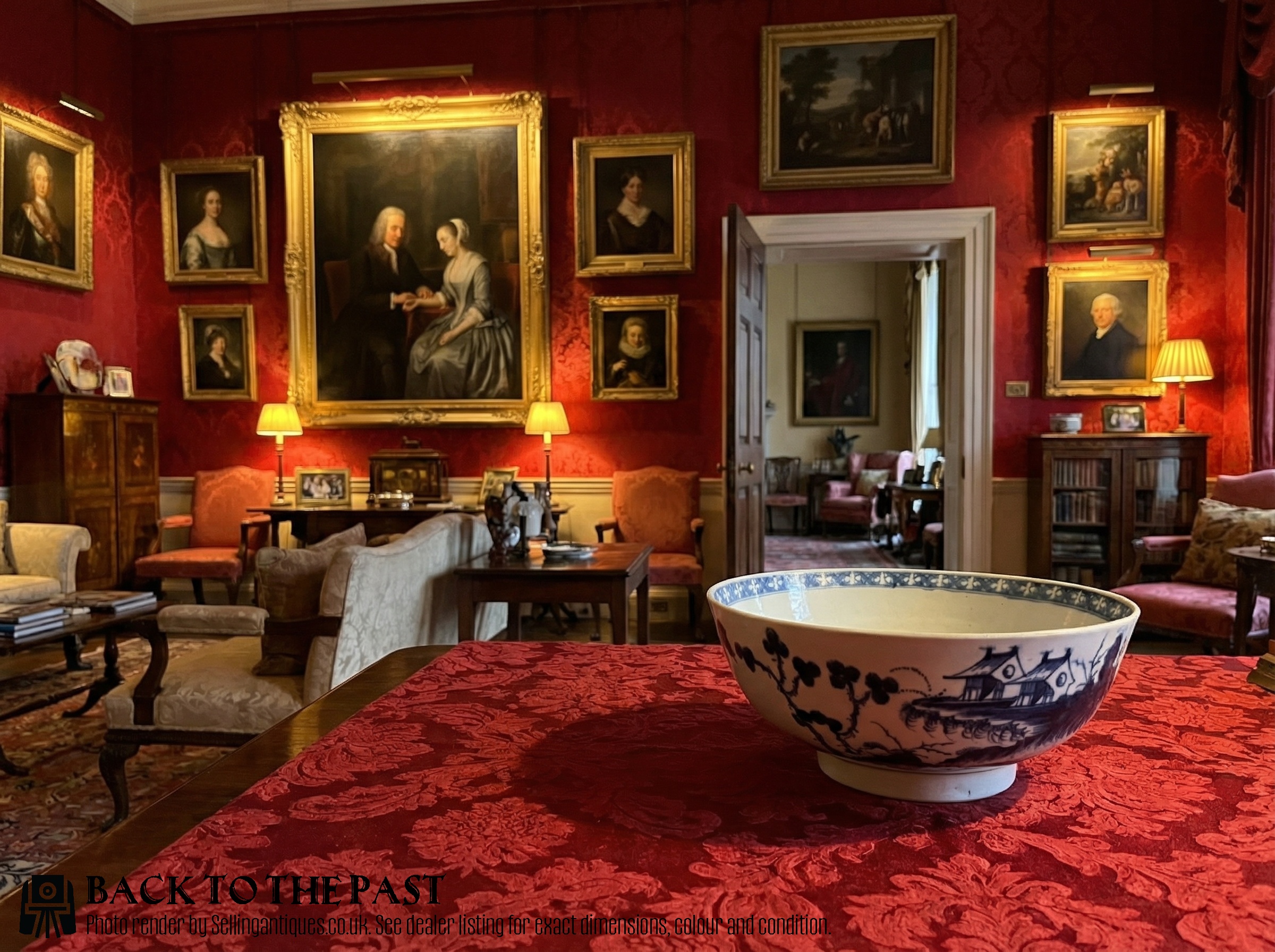
How they were made
Potters shaped these vessels using soft-paste porcelain, a vitreous composition containing white clay, glass frit, and soapstone that fired at lower temperatures than hard-paste porcelain. This body lent itself to delicate moulding, ribbing, and fluting, seen in tea bowls, sugar boxes, and openwork chestnut baskets.
Decoration relied on cobalt glaze applied under the glaze for deep blue designs, alongside overglaze enamels and gold leaf for polychrome subjects. Transfer printing allowed intricate patterns like the Cannon Ball design to be transferred from copper plates directly onto the curved porcelain surface.
Early eighteenth-century tea drinkers routinely tossed their spent leaves into a slop bowl, proving even historic elegance involves clearing up the dregs.
What varies in quality
Quality in these porcelain vessels rests upon the crispness of the moulding and the clarity of the cobalt glaze or enamel painting. Finer examples display precise brushwork on complex motifs like the Mandarin figures or careful registration in transfer-printed patterns.
The presence of ground colours, such as blue scale or powder blue, combined with gilt highlights and rich gilding, elevates the status of a piece above standard blue and white tablewares. Marks on the base, whether open crescent, filled crescent, or simulated Chinese characters, also contribute to the distinction of individual items.
Dr Wall·James Giles
The First Period Worcester Bowl Glossary
- Soft-paste porcelain
- A ceramic composition fired at lower temperatures than true porcelain, containing ingredients like glass frit and soapstone. This material creates a warm, creamy body common in eighteenth-century English production.
- Slop bowl
- A larger bowl used during eighteenth-century tea service to discard unwanted tea leaves and dregs from cups. These vessels frequently feature matching tea bowl and saucer sets.
- Dr Wall
- The founding partner of the Worcester porcelain manufactory, whose name designates the period from the factory's inception until his death and the subsequent sale of the works. Pieces bearing this association represent the early phases of the enterprise.
- Blue scale
- A rich, mottled dark blue ground pattern resembling fish scales, applied beneath the glaze. This technique often frames reserved panels painted with exotic flowers or birds in gilt borders.
- Chinoiserie
- European decorative styles imitating Chinese artistic motifs and figures. These patterns appear frequently in eighteenth-century blue and white tableware.
First Period Worcester Bowl: Frequently Asked Questions
What is a slop bowl used for?
Slop bowls served as receptacles for discarded tea and spent tea leaves during eighteenth-century tea drinking rituals. Guests emptied their cups into the bowl before receiving a fresh pour from the teapot.
These bowls matched the tea bowls and saucers in the service, forming an essential component of the complete tea equipage on the Georgian table.
How do I identify Dr Wall period pieces?
Pieces from the Dr Wall period generally date from the mid to late eighteenth century and often display crescent marks, square marks, or simulated Chinese characters in underglaze blue. The soft-paste porcelain body tends to show a characteristic greenish translucency when held to a strong light.
Decoration during this time relies heavily on early blue and white transfer printing or hand-painted botanical and Chinese figures, prior to later nineteenth-century revival styles.
What is blue scale porcelain?
Blue scale is a dark, mottled underglaze blue ground applied to the surface of the porcelain in a pattern resembling fish scales. Worcester decorators used this technique to create luxurious background fields for white reserved panels.
These reserved panels were then painted with polychrome flowers or exotic birds, often framed with elaborate gold leaf gilding.