
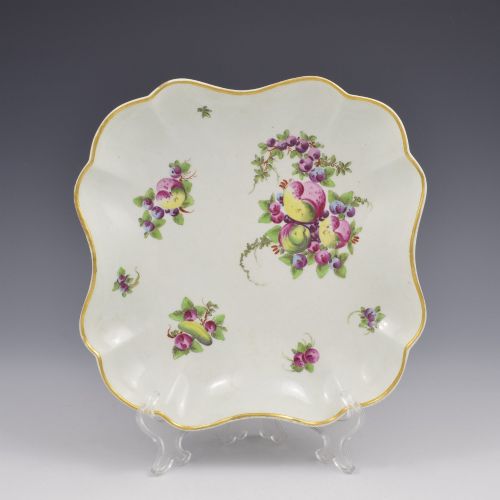
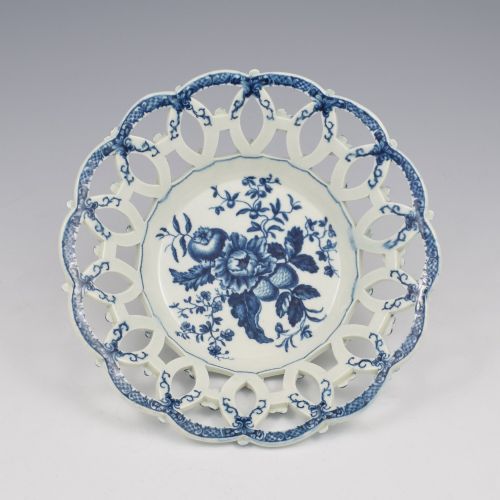


18th Century Ceramic Fruit Bowl
These pieces known as an 18th century ceramic fruit bowl combine utility and display, offering a tangible link to Georgian dining traditions.
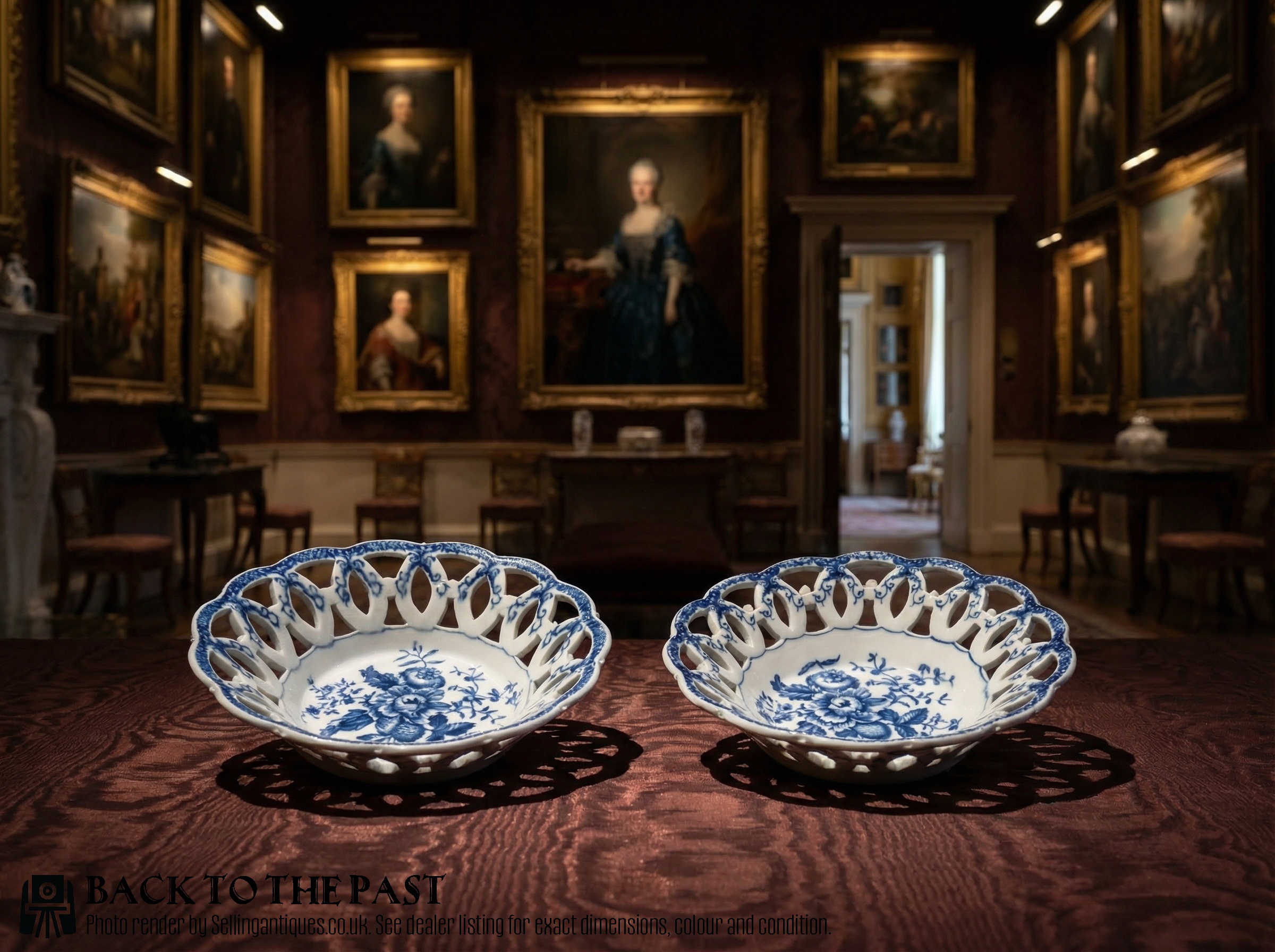
18th Century Ceramic Fruit Bowl
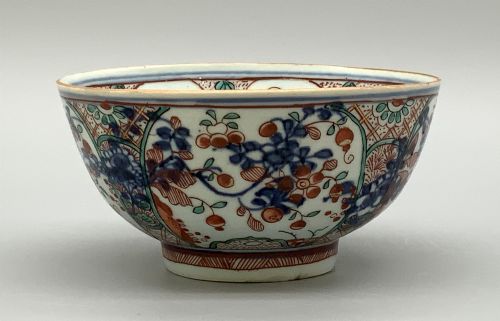
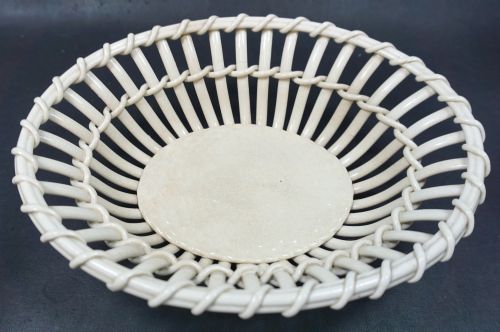
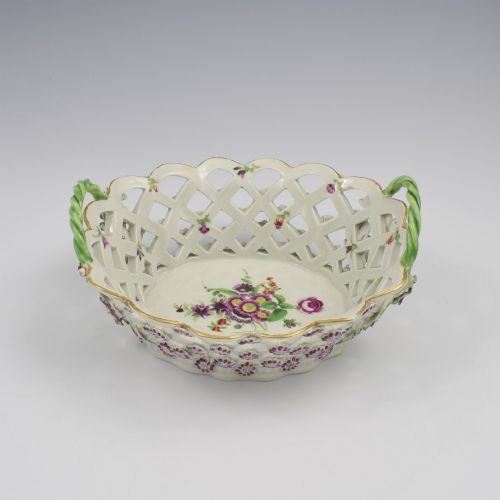
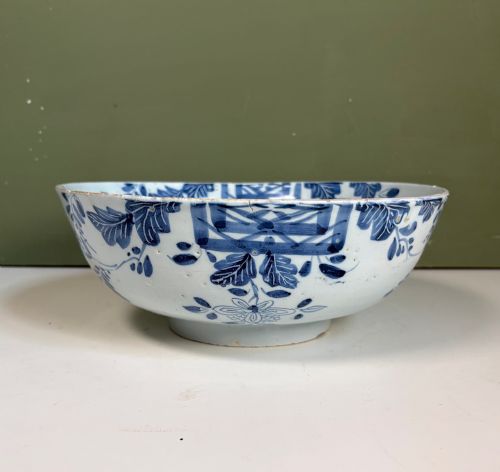
An 18th century ceramic fruit bowl encompasses a variety of serving vessels, including punch bowls, dessert dishes, and decorative baskets designed for period tables. The items on this page span the 18th century, 1800, and the 19th century, reflecting diverse domestic uses from holding fruit to serving punch.
The forms range from circular bowls and square lobed dessert dishes to pierced chestnut baskets with stands. Styles include Chinese Export, Chinese Kangxi Period, Georgian, 18th Century Delftware, and 18th Century Continental designs.
Buyers will encounter multiple material variations, noting that forms such as punch bowls and decorative baskets dominate the selection. Each piece serves as an example of period ceramic production utilised in formal dining settings.
Distinctions in quality and execution
The sophistication of the painted decoration separates finer examples from standard production, particularly in the precision of polychrome and famille rose enamel work. Execution of pierced elements in baskets and galleries demonstrates the skill required in shaping soft-paste porcelain or creamware before firing.
Consistency in glaze application and the crispness of moulded or hand-formed details indicate the workshop standard. Pieces retaining complete stands and matching components represent a higher level of preservation.
Listings feature items spanning the 18th century, 1800, and the 19th century, incorporating materials from porcelain and creamware to tin-glazed earthenware.
Dr Wall Worcester·Wedgwood
The 18th Century Ceramic Fruit Bowl Glossary
- Creamware
- A refined earthenware developed in England during the 18th century, characterised by a pale yellowish-cream glaze.
- Soft-paste porcelain
- A ceramic composition made from a mixture of clay and glass frit, fired at lower temperatures than hard-paste porcelain.
- Tin-glazed earthenware
- Pottery covered with a glaze containing tin oxide, producing an opaque white surface suitable for painted decoration.
- Famille rose
- A palette of opaque enamel colours dominated by pink, introduced to Chinese porcelain production in the 18th century.
- Imari
- A style of Japanese and Chinese export porcelain featuring underglaze blue and overglaze iron red and gold.
18th Century Ceramic Fruit Bowl: Frequently Asked Questions
What was an 18th century ceramic fruit bowl used for?
These vessels functioned primarily as table centerpieces for serving fruit, sweetmeats, or punch during formal Georgian meals. Their decorative qualities also allowed them to be displayed on sideboards when not in active use.
The inclusion of pierced baskets and stands points to specialised service for specific courses like chestnuts or soft fruits, keeping contents ventilated and presented in an orderly manner.
How do I identify a Dr Wall Worcester piece?
Pieces attributed to the Dr Wall period generally exhibit specific soft-paste porcelain bodies, often featuring characteristic forms like lobed dessert dishes or pierced chestnut baskets. Decoration frequently includes polychrome patterns or pine cone motifs.
Examining the paste under magnification and checking for period-typical glaze pooling helps confirm the attribution alongside stylistic markers present in the moulding.
What is the difference between delftware and porcelain?
Delftware is a tin-glazed earthenware that has a softer, more porous body with an opaque white surface designed to accept painted tin-glaze colours. Porcelain is a vitrified ceramic, either soft-paste or hard-paste, that is dense and non-porous.
Chinese and continental porcelain items often display finer painted details and greater durability compared to the earthenware bodies typical of English and Dutch delft bowls.
How should I care for an antique ceramic bowl?
Display these pieces away from direct sunlight and areas subject to sudden temperature fluctuations to protect the glaze and enamel decorations. Cleaning should be restricted to gentle dusting with a soft brush rather than immersion.
Avoid using modern chemical cleaners or placing them in water, as old soft-paste bodies and delicate gold leaf or enamel details are sensitive to moisture and abrasion.