


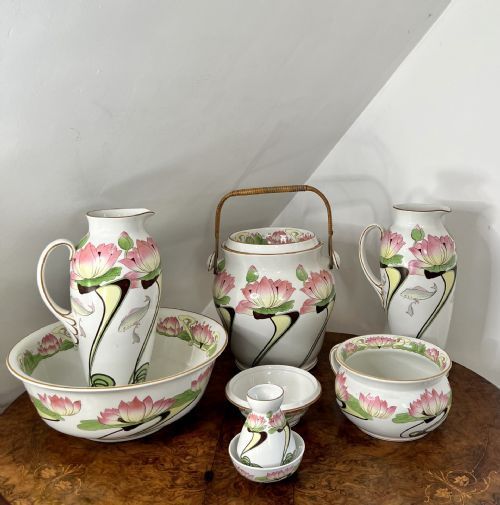


Antique Floral Porcelain Basin
These antique floral porcelain basin pieces bring hand-painted botanicals and historic ceramic forms directly to your washstand or table.
Antique Floral Porcelain Basin
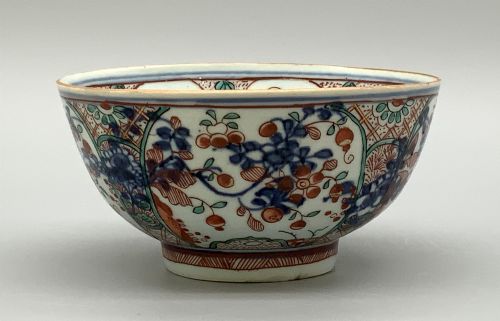
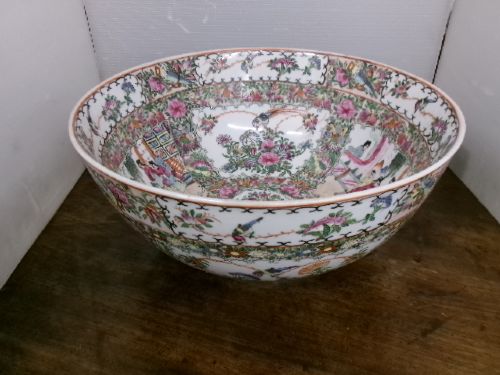
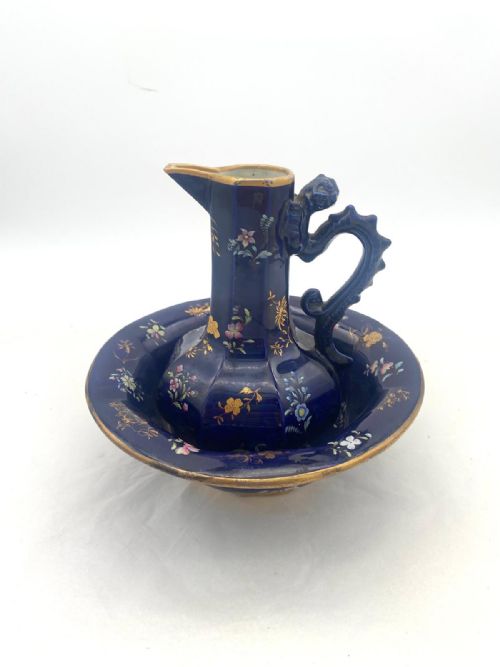
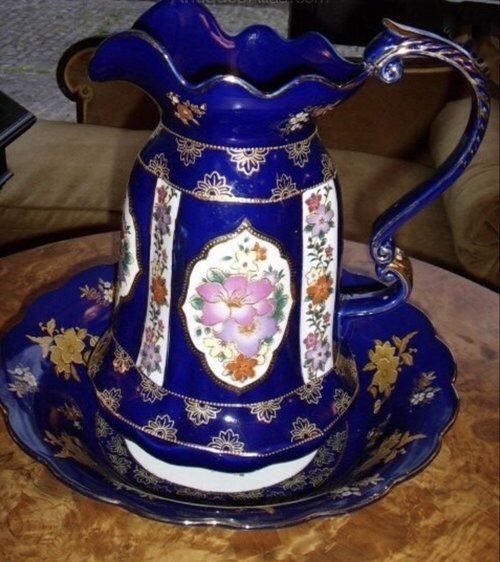
When you search for an antique floral porcelain basin, you encounter an array of domestic and decorative vessels ranging from large washstand sets to smaller bowls and jardiniere pieces. The selection spans centuries of ceramic production, taking in 18th century Chinese export ware, Japanese Imari and Satsuma bowls, alongside Victorian and Edwardian bathroom sets.
The domestic wash basin remains the most direct match for the phrase, often accompanied by a matching jug for daily ablutions. Alongside these utilitarian sets, the category includes decorative bowls and punch bowls decorated with floral motifs, painted by hand in factories and workshops across Europe and Asia.
How they were made
Makers shaped these vessels from ceramic, porcelain, ironstone, and earthenware, applying glaze and firing the pieces in kilns to achieve a durable surface. Painters then added floral designs by hand, sometimes incorporating cobalt blue glaze, enamel, or gold leaf highlights.
Moulding and throwing techniques varied by origin, with Chinese, Japanese, and European potteries employing distinct methods for forming bowls and octagonal jugs. Artisans utilised hand-painted brushwork to render flora, applying clear or coloured glazes before the final firing.
Some Victorian housemaids carried these heavy ceramic basins upstairs every morning before anyone else had even rubbed the sleep from their eyes.
What varies in quality
Quality rests in the precision of the hand-painted floral decoration and the clarity of the glaze across the ceramic body. Pieces from established makers or specific periods display finer brushwork and more balanced proportions in forms such as scallop edges and lobbed profiles.
The crispness of transfer printing or the skill evident in hand-painted enamel and gilt work distinguishes standard utility items from finer exhibition pieces. Preservation of the glaze and the original pairing of jug and basin sets also influence the standing of an individual item.
Masons Ironstone·Spode Felspar·Royal Worcester·Doulton Burslem·Coalport
The Antique Floral Porcelain Basin Glossary
- Imari
- A style of Japanese porcelain decorated in underglaze blue, iron red, and gold, frequently featuring floral and natural patterns.
- Ironstone
- A heavy, durable type of earthenware patented in the 19th century, designed to resist chipping during daily domestic use.
- Jardiniere
- An ornamental ceramic pot or bowl intended for holding a plant or floral arrangement, often matching washstand aesthetics.
- Sucrier
- A small covered sugar bowl or box intended for the tea table, often produced in matching porcelain sets.
- Glaze
- A glassy coating fused to the ceramic body through kiln firing, providing a smooth, waterproof finish over the floral decoration.
Antique Floral Porcelain Basin: Frequently Asked Questions
How do I clean an antique basin?
Wash the ceramic gently using warm water and a mild detergent, avoiding abrasive cloths that might scratch the glaze or wear away painted enamel.
Dry the piece thoroughly with a soft towel, taking particular care around any gilded rims or delicate foot rings.
Were these basins meant for washing?
Many of the larger sets served as washstand basins for daily hygiene in bedrooms before the widespread adoption of plumbed indoor bathrooms.
Other examples functioned as decorative bowls, punch bowls, or jardiniere vessels rather than utilitarian washing equipment.
How can I date an antique porcelain bowl?
Examine the base for maker marks, factory stamps, or painter signatures that correspond to known operational periods of potteries in Europe or Asia.
Consider the style of the floral painting, the weight of the ceramic body, and the characteristics of the glaze to narrow down the decade or century.
Can I display flowers in a jardiniere?
These ceramic vessels accommodate potted plants or cut floral displays well, provided you place a protective liner inside to prevent moisture damage.
Check the interior for any existing hairline cracks before filling the bowl with water to ensure the historic ceramic remains stable.