
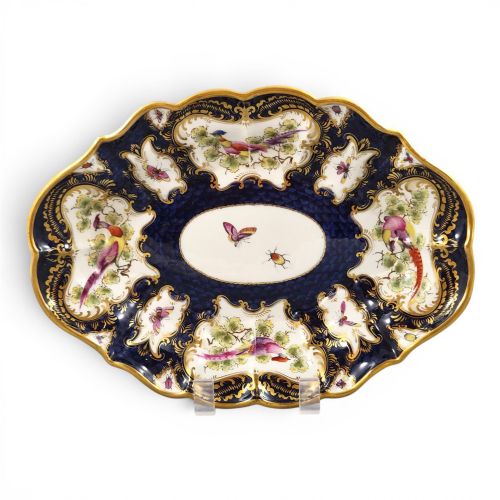


Blue White Worcester China
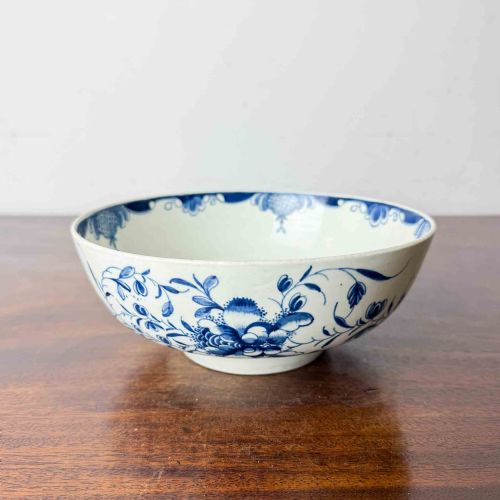
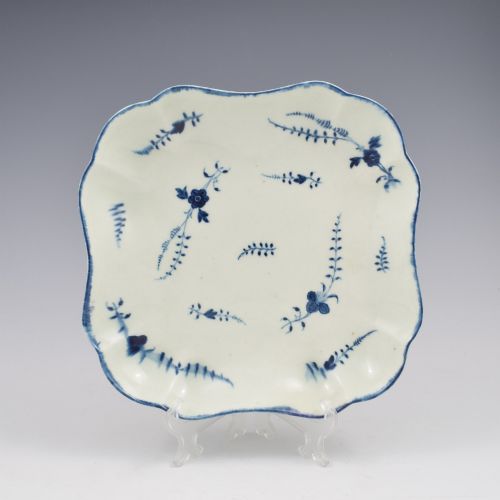
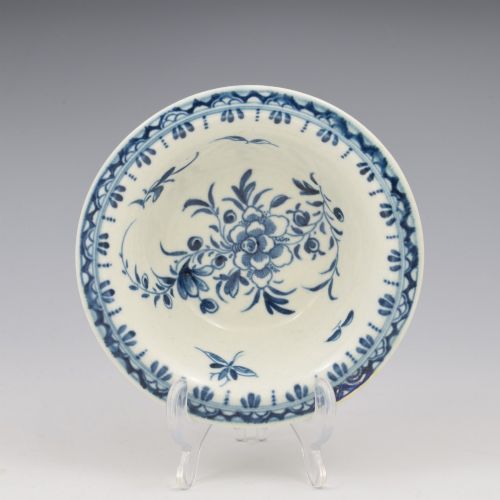
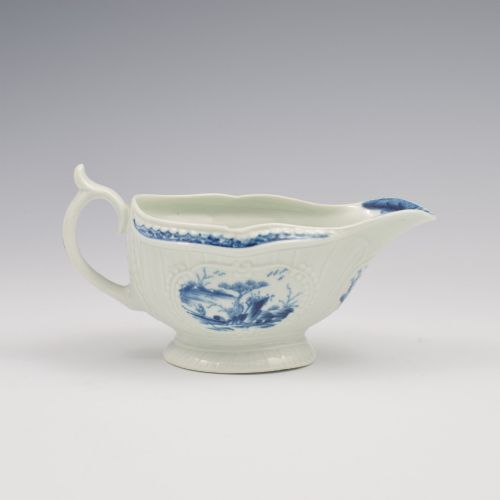
Blue white worcester china brings eighteenth-century domestic porcelain into your home through delicate tea bowls, sauce boats, and decorative dishes.
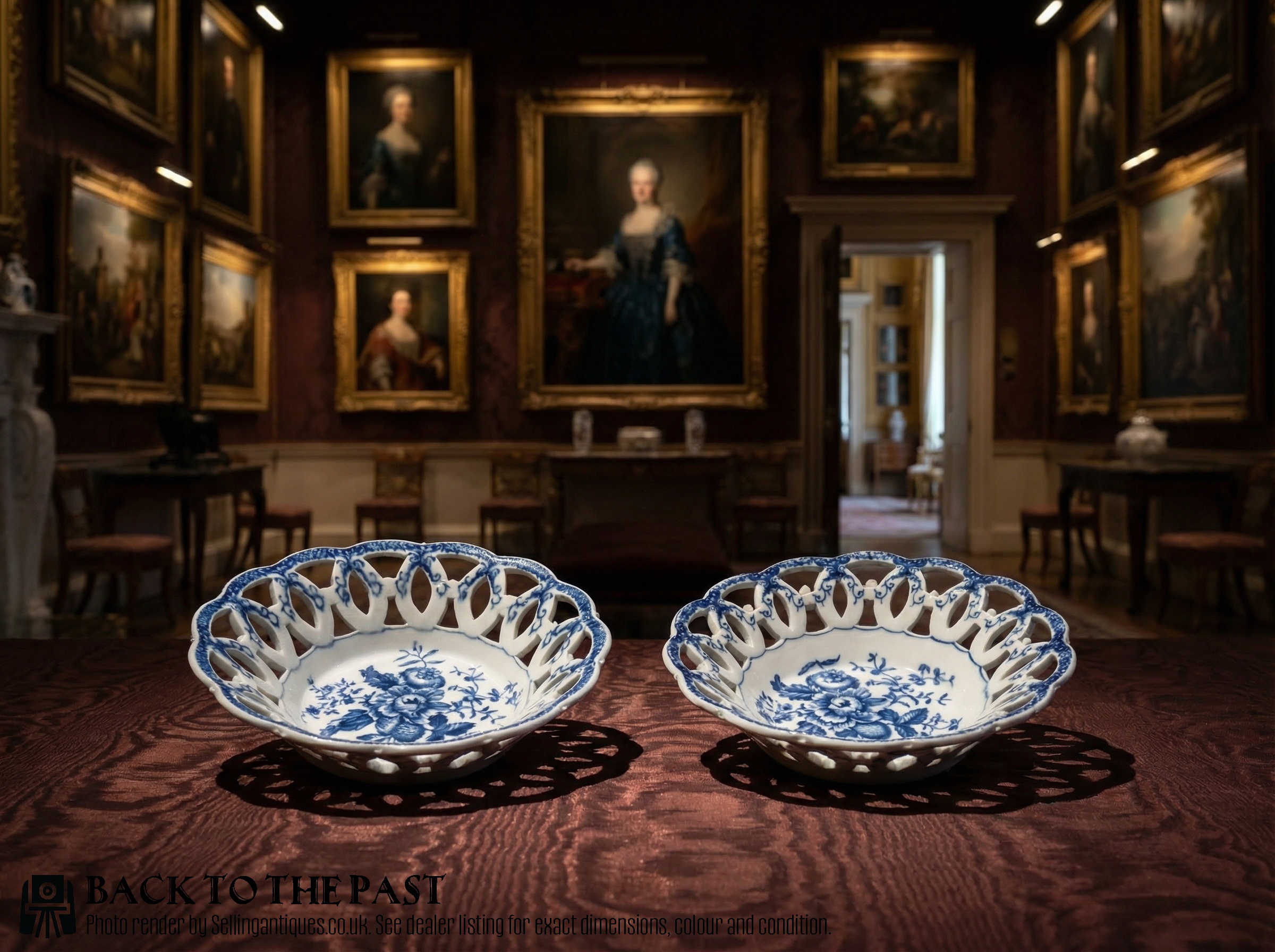
Blue White Worcester China
When you search for blue white worcester china, you look at domestic ceramics produced across several distinct eras, though eighteenth-century examples dominate the selection. The earliest pieces date back to the seventeen-fifties and seventeen-sixties, capturing the delicate forms of tea bowls, saucers, and sauce boats. Alongside these early pieces, later revivals and subsequent productions from the Edwardian period and nineteen-hundred appear on the market.
The objects take many functional domestic forms, ranging from practical teapots and slop bowls to decorative dishes and chestnut baskets. Tea bowls and saucers form a significant portion of the available items, often accompanied by sparrow beak jugs and coffee cups. Later nineteenth and twentieth-century examples extend into soup dishes and novelty items such as candlesnuffers.
Stylistic influences draw heavily on Georgian aesthetics, Georgian Chinoiserie, and Rococo Revival designs. Many pieces display oriental motifs, including mandarin patterns, the fisherman and billboard island design, and the hundred antiques decoration. Other examples utilise simpler botanical motifs like chantilly sprigs, peony patterns, and three-flower designs.
How they were made
Makers utilised soft-paste porcelain as the primary body for the eighteenth-century pieces, creating a translucent and delicate material. This soft paste allowed for moulded decoration, seen on chrysanthemum pattern tea bowls and ribbed basket forms. Artisans applied cobalt glaze directly to the unglazed or slip-coated body before firing, achieving the characteristic deep blue decoration.
Surface finish depended heavily on the control of the cobalt glaze and subsequent enamel additions. While cobalt blue remained the dominant tone under the glaze, some pieces incorporated supplementary enamel colours and gilding to highlight specific patterns. Later productions from the Edwardian era continued these traditions while refining the porcelain body and glaze consistency.
Listings feature eighteenth-century soft-paste porcelain alongside Edwardian pieces, uniting blue and white tableware with decorative dishes and baskets.
What varies in quality
Quality in these ceramics rests upon the crispness of the cobalt painting and the stability of the porcelain body during firing. Early pieces with finely detailed transfer or hand-painted Chinoiserie scenes, such as the waiting chinaman or fisherman patterns, demonstrate superior artistic control. The depth and vibrancy of the cobalt blue against the surrounding glaze dictate the visual success of each item.
The sophistication of the moulding and the retention of delicate openwork, particularly on chestnut baskets and tart pans, separate standard wares from finer examples. Uniformity in the glaze application and the absence of heavy warping from the kiln distinguish superior pieces. Items retaining their original matching covers, such as teapots and baskets, command greater interest from collectors.
Royal Worcester·Grainger and Co
The Blue White Worcester China Glossary
- Soft-paste porcelain
- A type of ceramic body composed of clay and glass frit used before the widespread adoption of hard paste. It fires at lower temperatures and yields a warm, slightly creamy translucency.
- Cobalt glaze
- A metallic oxide pigment applied under the glaze to produce a permanent deep blue colour upon firing. It remains stable at high kiln temperatures.
- Chinoiserie
- European artistic style reflecting Chinese motifs and decorative schemes. Artisans interpreted oriental figures, landscapes, and architectural elements through a distinctly eighteenth-century lens.
- Tea bowl
- A small drinking vessel lacking a handle, designed for holding hot tea. They were standard accompaniments to saucers in eighteenth-century tea sets.
- Slop bowl
- A larger ceramic bowl used during tea service for discarding cold tea dregs and spent tea leaves. They matched the tea bowls and saucers in the service.
Blue White Worcester China: Frequently Asked Questions
How do I identify Chinoiserie patterns?
Chinoiserie patterns depict fantastical European interpretations of Chinese life, featuring figures in gardens, pavilions, and bridges. Look for motifs like the waiting chinaman or mandarin designs.
These scenes were hand-painted in cobalt blue beneath the glaze. They reflect the eighteenth-century European fascination with oriental aesthetics.
Were sauce boats used for dining?
Sauce boats were essential table wares for serving gravies and melted butter during formal Georgian meals. Their moulded forms often mimicked contemporary silver sauce boats.
Potters decorated them with landscape scenes or floral sprays in blue and white. They add a functional sculptural element to a collection.
What are chestnut baskets?
Chestnut baskets were large, pierced serving vessels used for presenting roasted chestnuts or fruit at dessert. Their reticulated lattice sides required great skill to form in soft-paste porcelain.
They frequently came with matching covers and stands. Surviving pairs demonstrate the high ambition of eighteenth-century porcelain manufacture.