
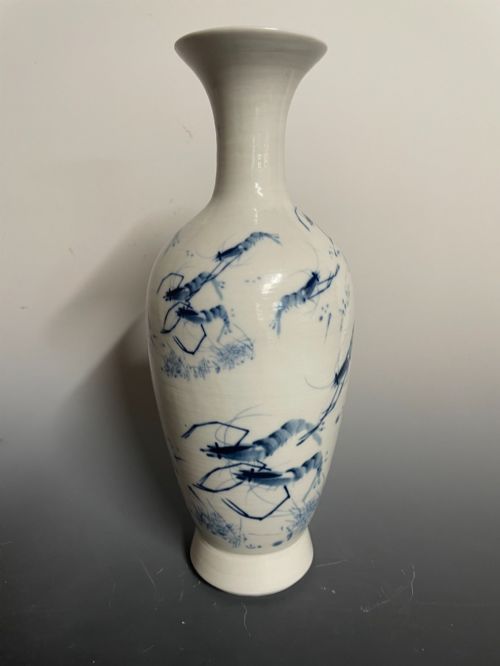
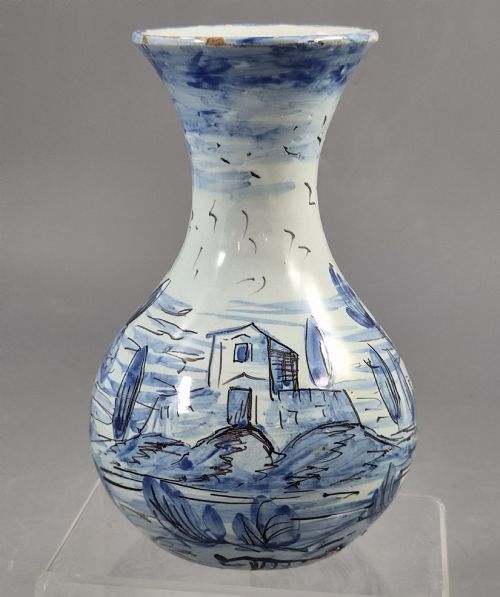
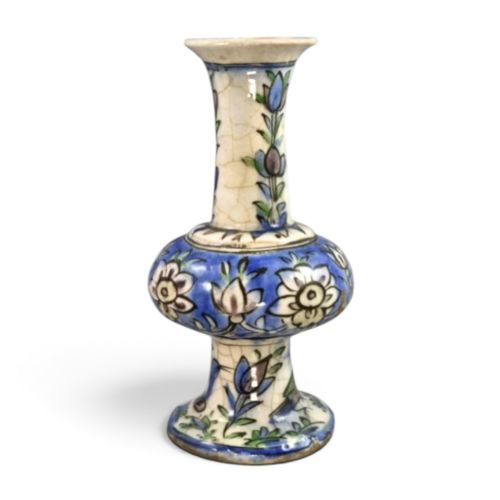
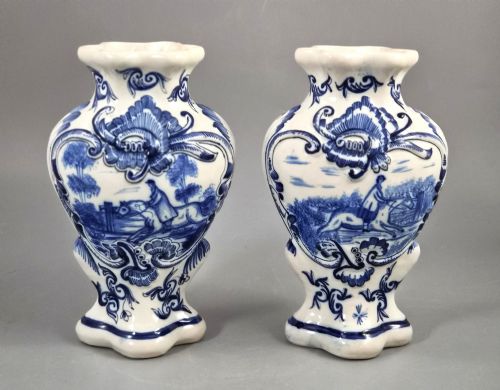

Blue White Ceramic Urn
These blue white ceramic urn pieces bring lasting decorative character to a room, offering classic form and traditional cobalt patterns.
Identifying blue white ceramic urn objects
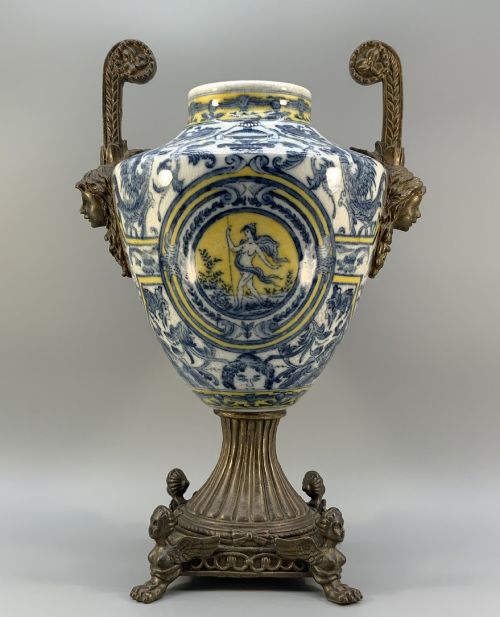
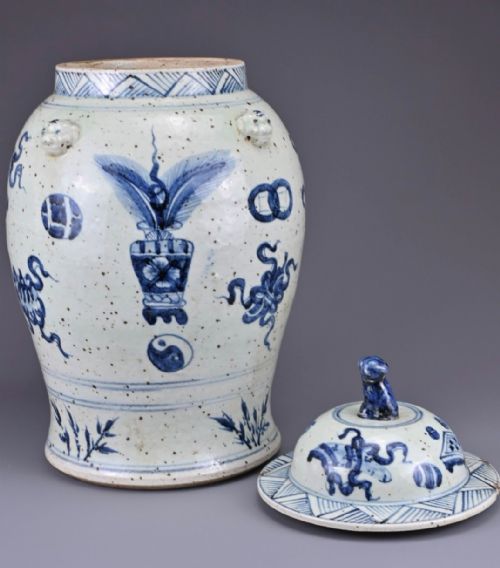
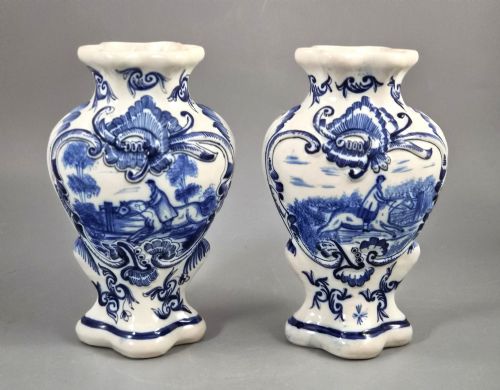
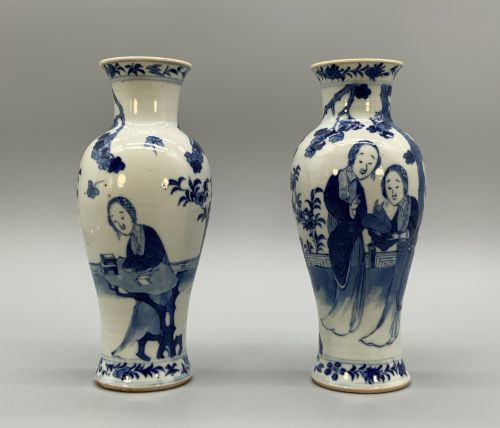
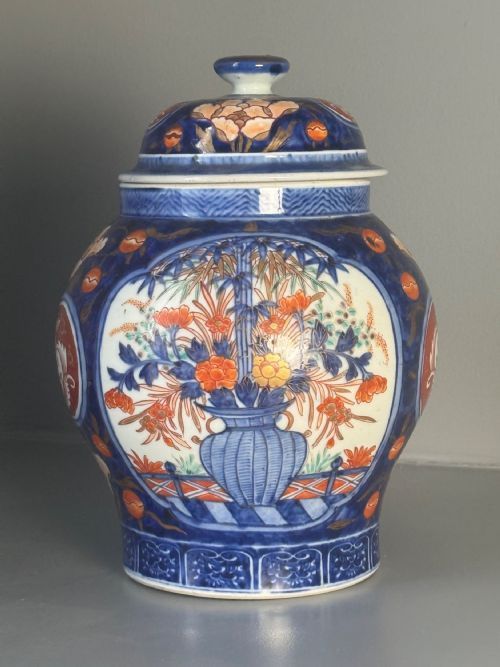
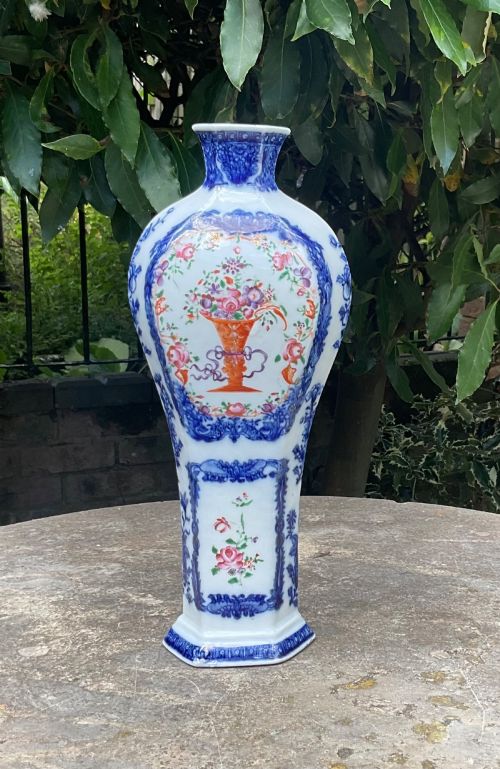
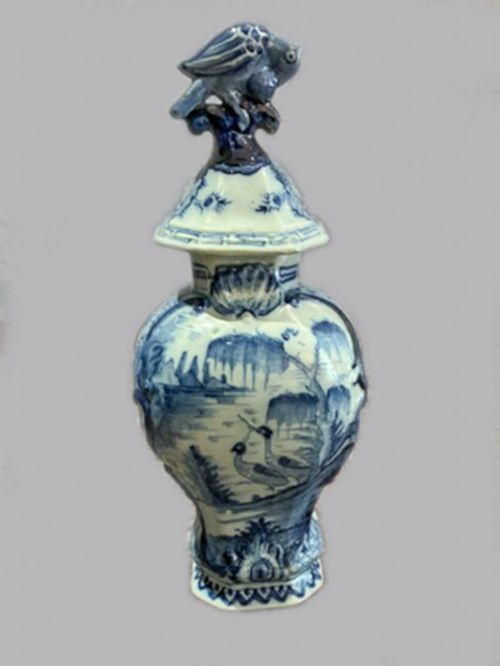
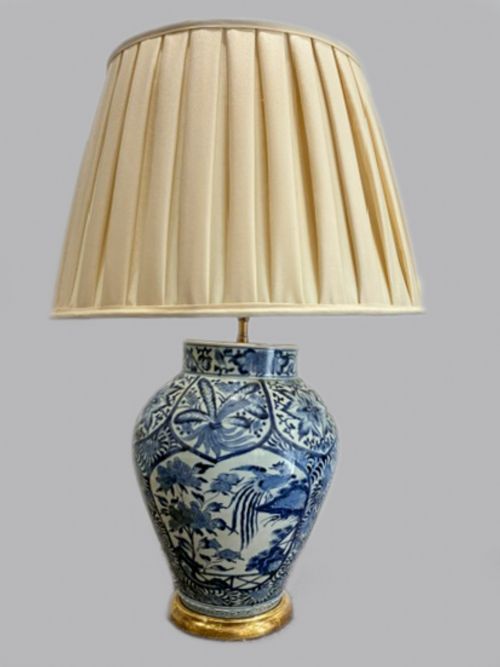
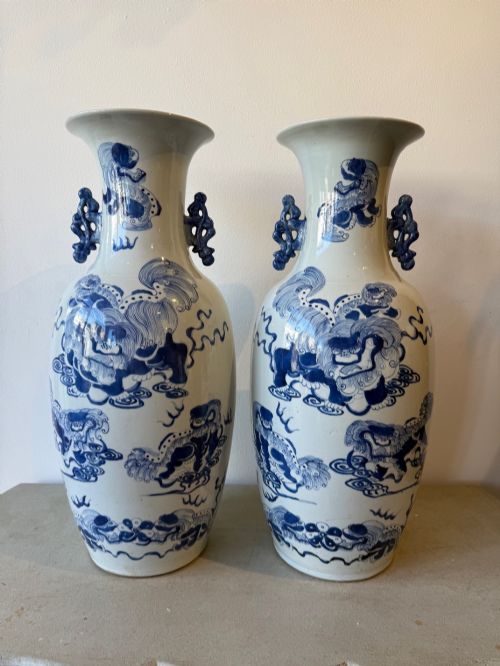
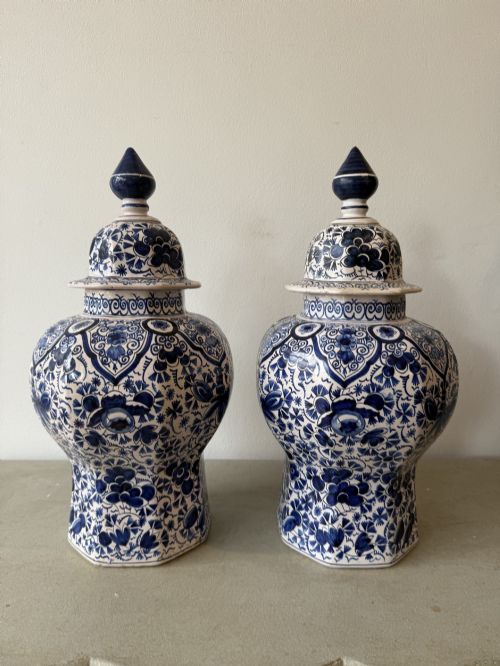
A blue white ceramic urn combines classical vessel shapes with traditional cobalt decoration applied under a transparent glaze. Buyers searching this phrase encounter lidded vases and substantial decorative vessels from distinct periods.
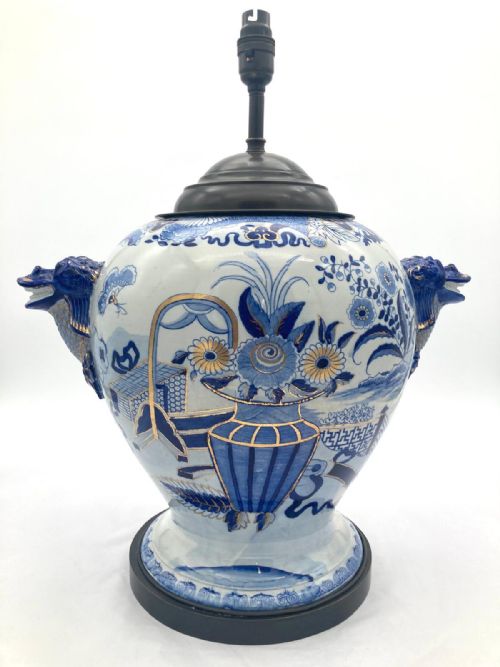
The selection includes pieces spanning the nineteenth century up to nineteen hundred, showing Dutch Delftware, Kangxi period Qing dynasty, and Victorian Staffordshire influences. Each example demonstrates how potters applied blue pigment to white earthenware or porcelain bodies.
Materials and construction methods
Makers shaped these vessels from ceramic, earthenware, tin-glazed earthenware, and porcelain before applying cobalt underglaze decoration. Some Victorian pieces incorporate gilt accents over the fired glaze surface.
Potters painted intricate designs directly onto the raw body or white ground before firing the piece at high temperatures to set the cobalt blue. Protective glazes provided a glossy finish that preserved the painted details across generations.
Some nineteenth century Staffordshire potters added gilded highlights to their bramble patterns, proving that Victorian makers loved a bit of extra shine.
Assessing quality and craftsmanship
Quality rests in the clarity of the cobalt underglaze painting and the precision of the ceramic body formation. Finer pieces display crisp botanical or narrative motifs executed with confident brushwork.
The sophistication of the glaze and the refinement of the form distinguish standard production wares from exceptional examples. Potteries demonstrated their skill through balanced proportions and even glaze coverage.
The Blue White Ceramic Urn Glossary
- Cobalt Underglaze
- A blue pigment applied to ceramic pieces before glazing and firing, which reacts to high heat to produce a permanent rich colour.
- Tin-Glazed Earthenware
- Pottery covered with a white opaque glaze containing tin oxide, providing a smooth surface for painted decoration.
- Kangxi Period
- A phase of the Qing dynasty known for exceptional porcelain production and brilliant cobalt blue tones.
- Staffordshire
- A major English pottery region producing earthenware figures and decorative vessels during the nineteenth century.
- Dutch Delftware
- European tin-glazed pottery produced in imitation of imported Chinese blue and white porcelain.
Frequently Asked Questions
What are blue white ceramic urn pieces?
These decorative vessels feature cobalt blue painted designs on white ceramic, earthenware, or porcelain bodies. They range from Dutch Delftware lidded vases to nineteenth century Staffordshire and Kangxi period items.
Potters created them primarily for display in domestic interiors, where their striking colour contrast drew the eye.
How do I date an antique urn?
Dating relies on examining the ceramic body, glaze characteristics, and any base marks left by the maker. Nineteenth century pieces often show heavier earthenware bodies, while Kangxi period items display fine porcelain construction.
Style clues like Victorian transfer printing or Dutch Delft tin-glazing also help narrow down the period of manufacture.
Where were these urns made?
The available pieces originate from different ceramic traditions, including English potteries in Staffordshire, Dutch workshops producing Delftware, and Chinese kilns from the Qing dynasty.
Each region employed distinct clay bodies and glazing techniques that reflect its local manufacturing history.
How should I clean my ceramic urn?
Dust the surface gently with a soft, dry cloth to remove everyday particles without disturbing the glaze. Avoid abrasive cleaners or soaking, particularly on pieces with gilt accents or tin glazes.
Careful handling protects both the ceramic body and the delicate cobalt decoration from accidental damage.