




Blue White Earthenware Jar
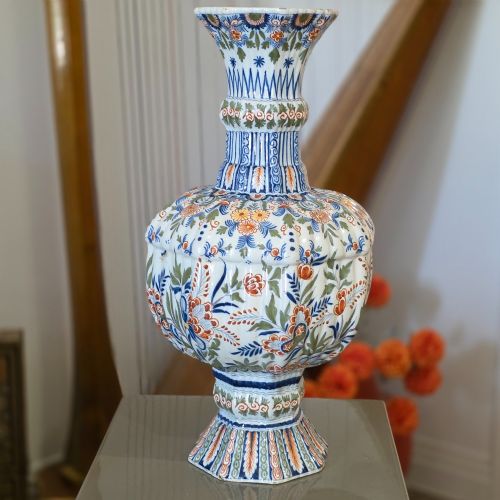
A blue white earthenware jar brings together centuries of tin-glazed craft and cobalt pigment.
Blue White Earthenware Jar
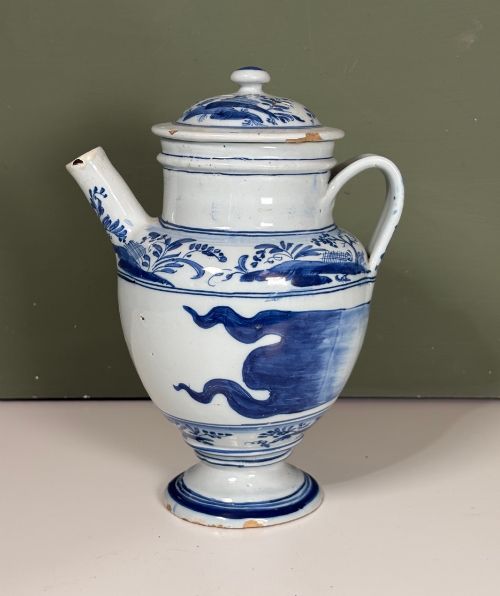
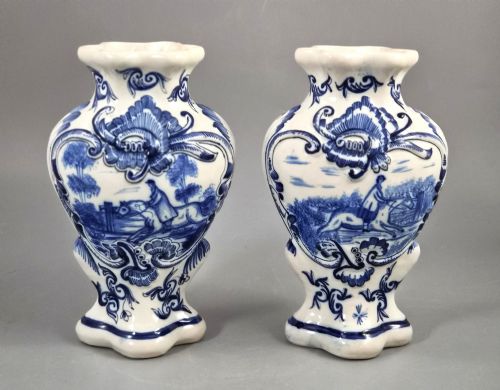
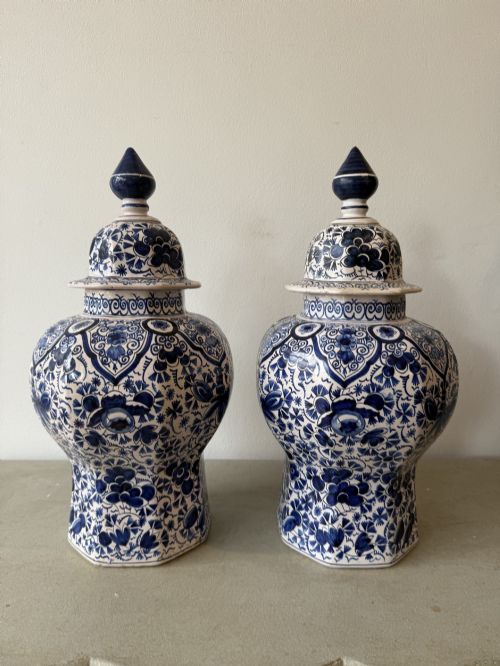
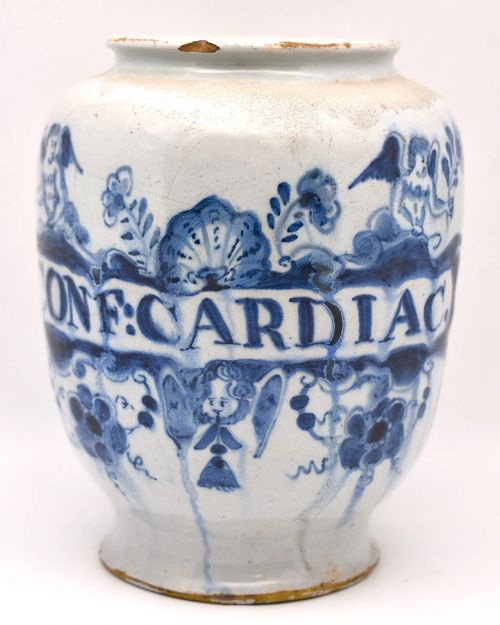
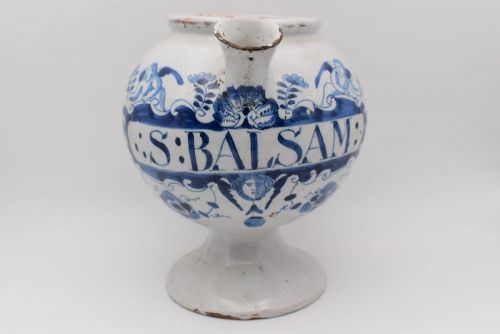
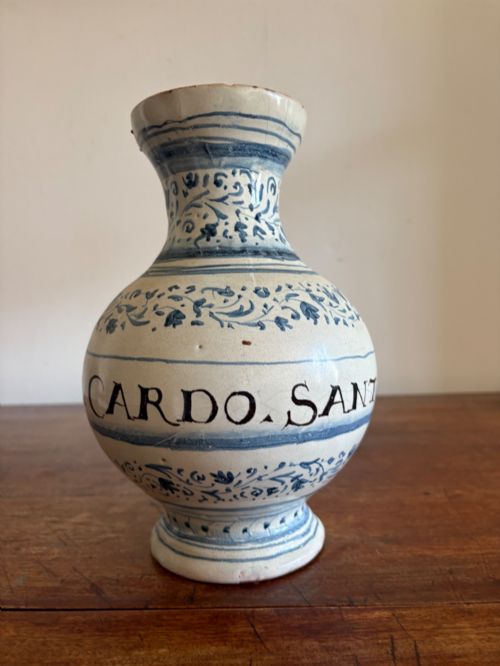
When you search for a blue white earthenware jar, you encounter apothecary vessels, drug jars, and lidded vases spanning from the seventeenth to the nineteenth century. These containers served practical storage roles in pharmacies and homes before becoming decorative mantelpiece objects.
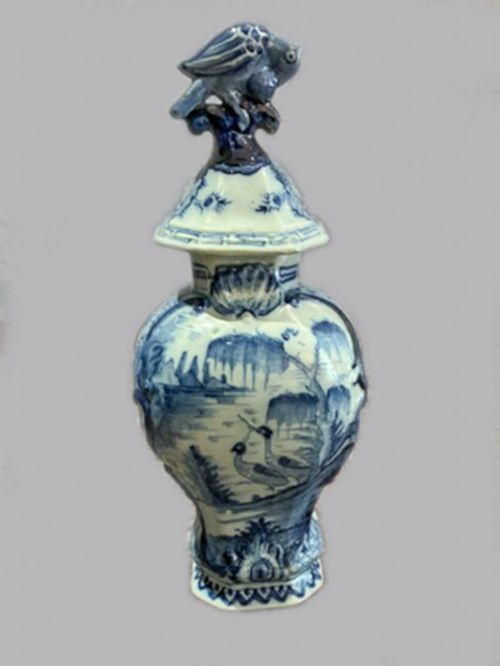
The versions most common on this page originate from English, Dutch, and Italian workshops, alongside later French examples. They appear as baluster vases, albarelli, and handled urns decorated in cobalt blue upon a white tin glaze.
Materials and construction
Potters shaped these bodies from earthenware clay before coating them in an opaque tin glaze to provide a smooth white painting surface. Artisans then applied cobalt pigment directly onto this porous unfired glaze, capturing deep blue tones during the high-temperature kiln firing.
Lids, handles, and brass fittings complement the ceramic bodies on select pieces, particularly among larger lidded vases and converted table lamps.
Listings feature earthenware and ceramic jars spanning from the seventeenth to the twentieth century, with a strong focus on eighteenth-century examples.
Judging quality and character
Quality rests in the crispness of the cobalt painting and the stability of the tin glaze across the earthenware body. Early examples display fluid brushwork depicting birds, flora, and heraldic motifs, whereas lesser pieces show rushed or mechanical application.
The presence of original matching covers or lids alters the desirability of a jar significantly, as many lids did not survive centuries of handling.
Fourmaintraux-Courquin
The Blue White Earthenware Jar Glossary
- Albarello
- A cylindrical pharmacy jar designed to hold dry drugs or ointments. Its waisted shape allowed pharmacists to grip the jar easily when stacked on shelves.
- Tin-Glaze
- A ceramic glaze made opaque by the addition of tin oxide. This creates the characteristic milky white surface used for painting in cobalt.
- Cobalt Pigment
- A metallic colorant used to produce deep blue decoration on ceramics. It withstands intense kiln temperatures without losing its distinct hue.
- Wet Drug Jar
- A pharmacy vessel specifically shaped with a spout or wider mouth for holding syrups and liquid medicines. These often bear painted Latin labels denoting their contents.
- Chinoiserie
- European decorative motifs inspired by Chinese art and porcelain imports. Potters on these jars adapted traditional Asian landscapes and figures using cobalt pigment.
Blue White Earthenware Jar: Frequently Asked Questions
What were blue white earthenware jars used for?
These vessels originally stored dry medicines, herbal remedies, and syrups in apothecary shops and domestic households.
Over time, many transitioned into pure display pieces, appreciated for their painted cobalt patterns and historical presence.
How do I date an antique jar?
Dating relies on stylistic shifts in the cobalt painting, the tone of the tin glaze, and the specific form of the earthenware body.
Early seventeenth- and eighteenth-century pieces often feature looser brushwork and distinct regional palette variations compared to later nineteenth-century revivals.
Are original lids common on these jars?
Original matching lids are relatively scarce because ceramic covers easily separated from their jars during daily pharmacy use.
When a jar retains its period lid, its completeness adds considerably to its historical value and visual balance.
How should I clean a tin-glazed jar?
Cleaning requires only a dry or very slightly damp cloth to remove surface dust without disturbing the porous earthenware glaze.
Strong detergents and soaking must be avoided, as moisture can penetrate old glaze fractures and damage the ceramic body underneath.