



Antique Porcelain Urn Planter
An antique porcelain urn planter brings sculptural presence and botanical display together, drawn from Georgian, Victorian, and later periods.
Antique Porcelain Urn Planter
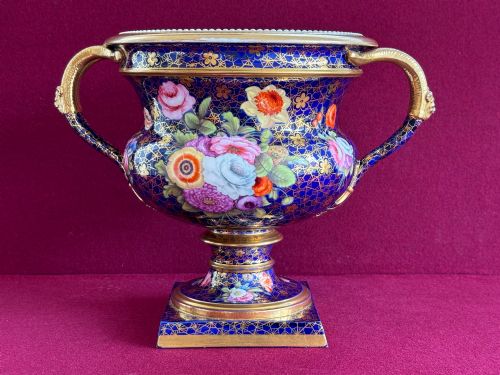
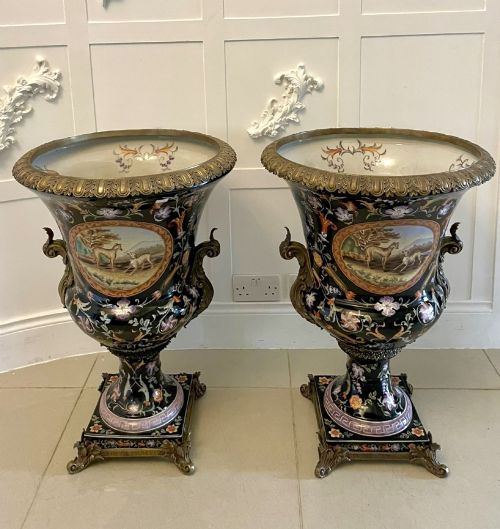
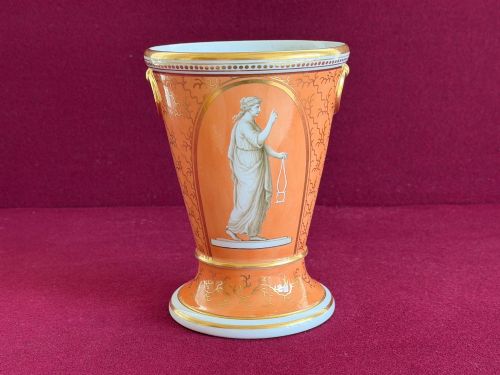
When you search for an antique porcelain urn planter, you encounter vessels designed specifically to hold plants indoors, combining decorative form with practical horticulture. The pieces on this page span the nineteenth century and the early twentieth century, taking the shape of jardinières, cachepots, and campana vases.
Most examples originate from French, English, and Asian workshops, reflecting diverse aesthetic movements from Regency and Victorian to French Rococo Revival and Chinese Qing Dynasty. English porcelain contributions include works associated with Worcester factories, whilst continental pieces often feature elaborate mounts or classical majolica glazes.
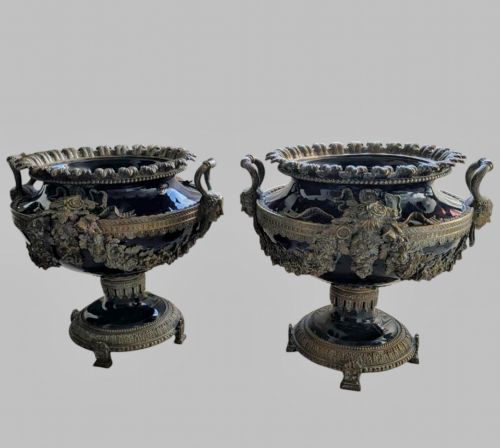
Forms vary from robust stoneware and earthenware to delicate glazed ceramic and porcelain, frequently paired with brass, gilt bronze, or ormolu. You will find items functioning as standalone decorative urns or housing floral arrangements within domestic interiors.
Materials and construction methods
Makers shaped these planters using porcelain, stoneware, and earthenware bodies, which were then finished with coloured glazes, enamel, and hand-painted details. Gold leaf and gilt bronze or ormolu mounts were frequently added to elevate the status of the vessel.
Metal components such as brass and ormolu secure the porcelain bodies, providing structural support for heavier urns and jardinieres. Potters utilised high-firing techniques for durability, ensuring the ceramic could withstand the moisture associated with plant displays.
Among the formal classical urns, an amusing Japanese porcelain vase appears with charming unpredictability to brighten the collection.
Distinguishing quality across the range
The standard of painting and hand-finishing on the porcelain body sets finer vessels apart from simpler production pieces. Crisp relief moulding, delicate enamel work, and the precision of gilding indicate skilled workshop execution.
The quality of subsidiary materials such as heavy cast ormolu, solid brass mounts, and well-fitted liners determines the structural integrity and overall presence of the urn. Pieces bearing identifiable factory marks or associations with noted porcelain houses carry distinct craftsmanship credentials.
Flight And Barr·Barr Flight And Barr·Adams·Coalport·Ernst Wahliss
The Antique Porcelain Urn Planter Glossary
- Jardiniere
- A large decorative pot or stand used for holding growing flowers or plants. These vessels often sit on tables or directly on the floor.
- Cachepot
- An ornamental container designed to hold a flowerpot and conceal it from view. The name derives from the French words meaning to hide the pot.
- Ormolu
- Gilded bronze cast and chased to produce ornate decorative mounts for furniture and porcelain. The technique was widely utilised by French makers during the nineteenth century.
- Imari
- A style of Japanese porcelain featuring a distinct palette of underglaze blue, iron red, and gold. European factories frequently copied these patterns during the Victorian era.
Antique Porcelain Urn Planter: Frequently Asked Questions
How were antique urn planters used?
These vessels functioned primarily as indoor plant holders or ornamental centrepieces within nineteenth-century drawing rooms and reception spaces. They allowed homeowners to display greenery safely without damaging fine interior surfaces.
Many pieces included internal liners or deep wells to catch drainage water from potted plants. Over time, some transitioned into purely decorative objects displayed on pedestals or mantelpieces.
How do I care for my porcelain planter?
Protect the glazed surface and any gilt or brass mounts by dusting gently with a soft dry cloth. Avoid using harsh chemical cleaners or abrasive pads that might damage hand-painted enamel details.
If using the vessel for live plants, place a modern plastic pot inside rather than planting directly into the antique ceramic. This prevents moisture from seeping into unglazed interior clay and causing structural stress.
How do I identify a French nineteenth century piece?
French pieces often incorporate cast ormolu or gilt bronze mounts fixed directly to porcelain bodies painted with classical or armorial scenes. Stylistic markers include Napoleon III and French Rococo Revival design motifs.
Makers working in France during this era frequently produced campana vases and large jardinières featuring rich blue ceramic grounds. Examination of the mounting techniques and paste helps confirm the continental origin.