



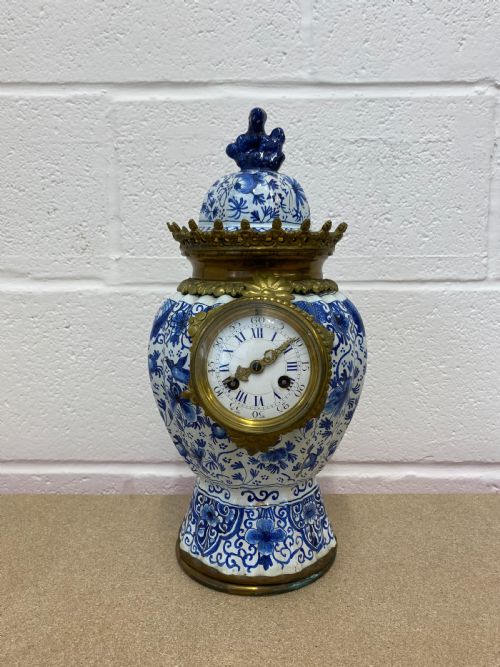
Vintage Dutch Pottery Vase
These vintage dutch pottery vase examples span centuries of tin-glazed earthenware, bringing traditional blue and white Delftware forms directly into modern rooms.
Vintage Dutch Pottery Vase
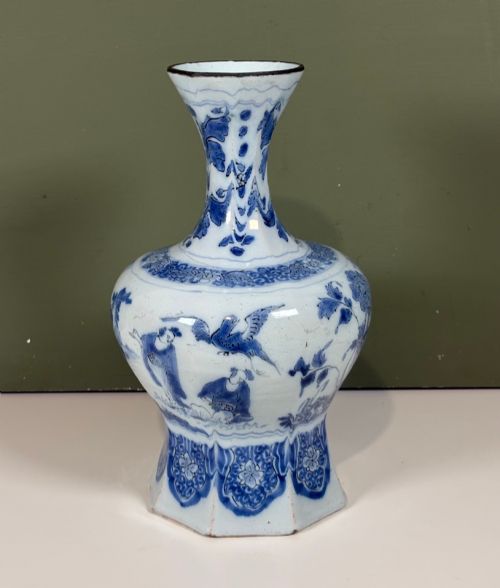
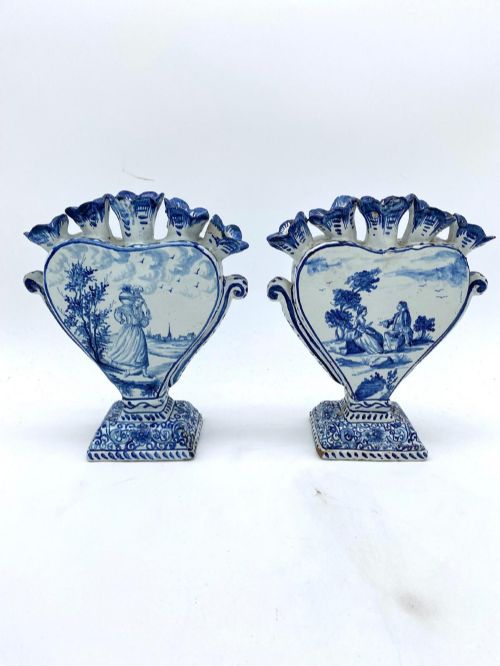
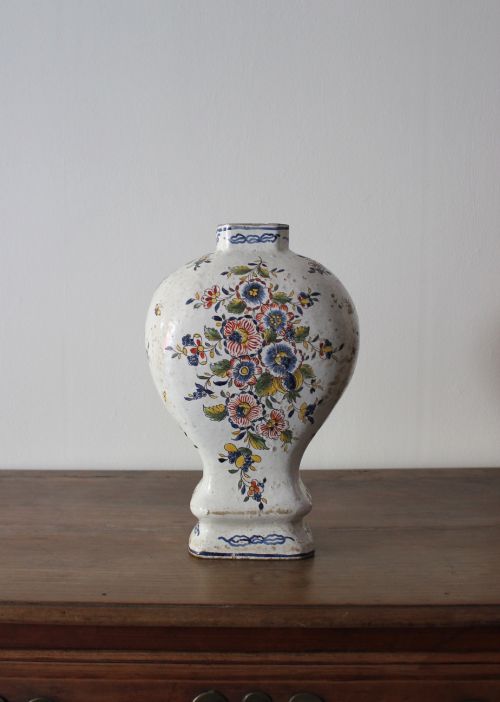
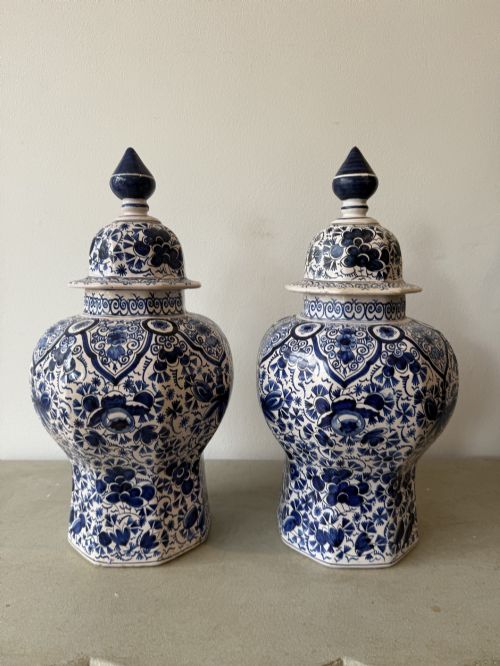
A vintage dutch pottery vase encompasses tin-glazed earthenware vessels ranging from large 17th-century faience pieces down to later 19th-century interpretations and converted table lamps. Buyers searching for a vintage dutch pottery vase will encounter classical blue and white palettes, alongside ribbed beaker shapes and lidded forms.
The selections span several distinct periods, showing how Dutch potters adapted traditional styles over generations. Pieces include mantel clocks and Toby jugs alongside standard vases and decorative jugs.
Chinoiserie motifs appear frequently among the listings, reflecting centuries of trade and stylistic exchange. Pairs of lidded vases and single large display pieces dominate the available forms.
Materials and construction
Potters built these pieces using earthenware clay, finished with a characteristic tin glaze that provided a smooth, opaque white surface for hand-painted decoration. Tin-glazed earthenware formed the basis for traditional Delftware production across workshops.
Makers applied cobalt blue pigments directly onto the unfired or biscuit-fired glaze before a final kiln firing fixed the design. Some examples incorporate brass mounts or later electrical fittings when converted into table lamps.
Vintage Dutch Pottery Vase Retail Price Guide 2026
Typical asking prices for vintage dutch pottery vase among the pieces listed under this phrase on Sellingantiques today, from the lower quarter to the upper quarter. They describe what is for sale here now, not the wider market.
Some versatile pieces doubled as drinking vessels before settling down as mantel clocks.
Judging quality and character
Quality rests in the crispness of the hand-painted blue and white decoration and the overall balance of the ceramic form. Early 17th-century and 18th-century examples display finer brushwork and deeper tonal variation within the glaze.
Proportion and scale distinguish monumental pieces, such as large ribbed beaker vases or tall lidded pairs, from smaller utility items. Alterations like lamp conversions alter the original form but reflect period domestic adaptation.
The Vintage Dutch Pottery Vase Glossary
- Tin-Glazed Earthenware
- Pottery covered with a glaze containing tin oxide to produce an opaque white surface. This technique allows for direct painting onto the unfired glaze.
- Faience
- European tin-glazed earthenware, particularly that made in France, Germany, and the Netherlands. The term frequently applies to early Dutch wares.
- Delftware
- Tin-glazed earthenware made in the Netherlands, notably in and around Delft. It is famous for blue and white designs inspired by imported Chinese porcelain.
- Chinoiserie
- European artistic styles reflecting Chinese artistic influences. This aesthetic appears across many of the blue and white vase decorations.
- Beaker Vase
- A straight-sided vase widening slightly at the rim and base. This specific silhouette is common in pairs and sets.
Vintage Dutch Pottery Vase: Frequently Asked Questions
How do I date a Delft vase?
Dating relies on stylistic clues, glaze characteristics, and potting techniques observed across different centuries. Earlier pieces often display thinner tin glazes and distinct cobalt hues.
Changes in form, from 17th-century faience to 19th-century table lamps and jugs, provide further chronological context for each item.
Are converted lamp vases original?
Many older ceramic vessels were adapted into table lamps during subsequent centuries to suit changing domestic interiors. These conversions involve wiring and sometimes added metal mounts.
While altered from their original function, these pieces retain their historical ceramic bodies and hand-painted glaze work.
What is Dutch Delftware?
Dutch Delftware is tin-glazed pottery produced in the Netherlands from the late 16th century onward. Potters created everything from tiles and plates to large display vases.
Designs frequently imitated Chinese porcelain imports before developing distinct European and Chinoiserie styles.
How should I clean my pottery vase?
Careful dusting with a soft, dry cloth is usually sufficient for maintaining tin-glazed surfaces. Avoid harsh chemical cleaners or submersion in water, particularly on pieces with old repairs or lamp wiring.
Gentle maintenance preserves the delicate tin glaze and hand-painted cobalt pigments over time.