
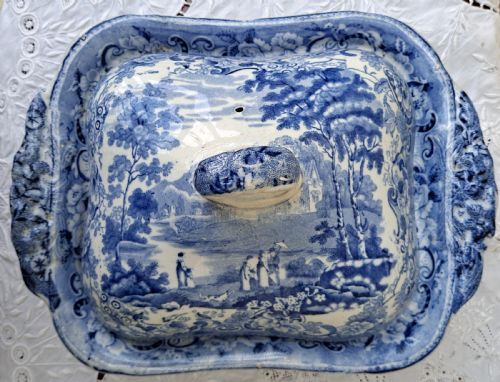
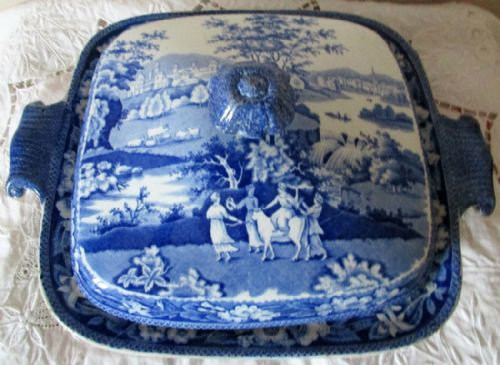


Blue White Ceramic Server
These blue white ceramic server pieces are functional and decorative tableware items from past centuries, offering classic cobalt patterns for the dining table.
Blue White Ceramic Server
When you search for a blue white ceramic server, you encounter a variety of nineteenth-century and eighteenth-century tableware forms intended for the dining table. These pieces include vegetable tureens with covers, serving platters, butter dishes, sauceboats, and pickle dishes.
The versions you are most likely to meet on this page span English, French, Russian, and Chinese origins. They reflect periods such as the Georgian and Victorian eras, alongside specific dates like the eighteenth century and eighteen eighty.
How they were made
The physical construction relies upon ceramic materials such as earthenware, porcelain, soft-paste porcelain, tin-glazed earthenware, and general ceramic bodies. These are shaped into functional serving vessels and finished with surface glaze and enamel.
Decoration is achieved through cobalt underglaze techniques and transfer printing, creating pictorial patterns like the Europa and Rural Scenery designs across Chinese Export, French Rococo Revival, and Imperial Russian styles.
Materials span earthenware, porcelain, soft-paste porcelain, tin-glazed earthenware, and cobalt underglaze.
What varies in quality
Quality differences stem from the fineness of the ceramic body and the precision of the cobalt underglaze application. Early porcelain pieces display distinct technical execution compared to heavy earthenware vessels.
The clarity of the transfer-printed patterns or hand-painted details dictates the visual distinction of each serving piece. The reputation of the pottery or manufactory also shapes the standing of the work.
James Wallace & Co·John and Richard Riley·Kuznetsov·Copeland & Garrett
The Blue White Ceramic Server Glossary
- Cobalt Underglaze
- A blue pigment applied to the ceramic body before glazing and firing, creating durable decoration that merges with the surface. This technique produces the characteristic blue and white coloration seen on these serving vessels.
- Earthenware
- A porous pottery body fired at lower temperatures, commonly used for nineteenth-century utility ware and vegetable tureens. It requires a glaze to become impermeable to liquids.
- Soft-paste Porcelain
- A ceramic composition made from clay, glass frit, and other materials, fired at lower temperatures than true hard-paste porcelain. It is frequently associated with eighteenth-century English manufactories.
- Transfer Printing
- A method of applying complex decorative patterns to ceramics by engraving a copper plate, pulling the design on paper, and transferring it onto the biscuit ware. This innovation allowed for detailed pictorial scenes on large production scales.
- Tureen
- A deep, covered serving dish used for soups, sauces, or vegetables at the dining table. Many examples include matching stands or covers.
Blue White Ceramic Server: Frequently Asked Questions
What is a blue white ceramic server?
A blue white ceramic server encompasses historical serving vessels such as platters, tureens, and sauceboats decorated in blue and white pigments. These items were designed for practical dining use.
They reflect historical manufacturing traditions from English potteries, French faience workshops, and Chinese export kilns.
How were these servers used?
These pieces served practical functions at formal and domestic dining tables during the Georgian and Victorian periods. They held vegetables, sauces, butter, or meat dishes during meals.
Many retain their original covers and stands, which helped keep food warm and protected dining surfaces.
How do I live with these pieces?
Living with antique ceramic servers involves integrating them into modern interiors as display objects or functional tableware. Their robust ceramic bodies suit careful everyday use.
Hand washing is generally recommended to preserve the historical glaze and cobalt underglaze decoration over time.
How can I tell periods apart?
Differentiating periods depends on observing the ceramic material, weight, and decorative style. Eighteenth-century pieces often feature soft-paste porcelain or early earthenware bodies, whereas Victorian examples tend to utilise heavier transfer-printed pottery.
Stylistic cues such as French Rococo Revival or Chinese Export motifs also provide clear indicators of date and origin.