




Antique Ceramic Pickle Dish
An antique ceramic pickle dish brings eighteenth-century dining tables to life with vibrant cobalt and delicate leaf forms.
Antique Ceramic Pickle Dish
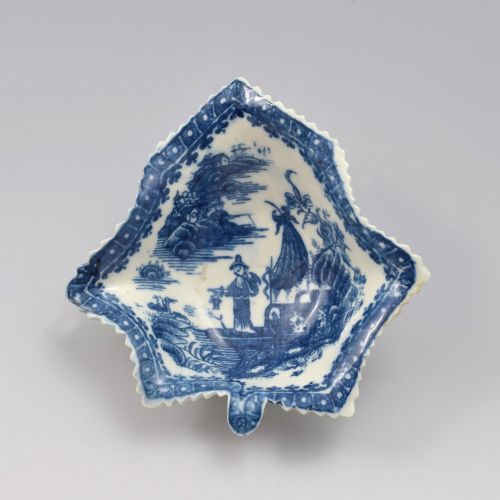
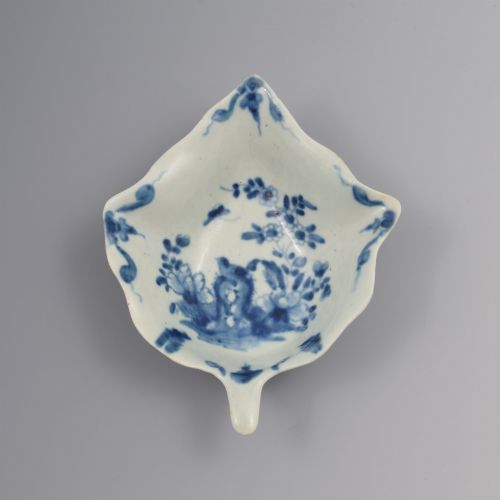
An antique ceramic pickle dish represents a small, specialised piece of tableware designed for serving relishes and condiments during formal meals. The examples found here span the eighteenth and nineteenth centuries, taking forms inspired by nature such as leaves, shells and trefoils. Makers from factories like Worcester and Caughley shaped these items to amuse guests and decorate the dining board.
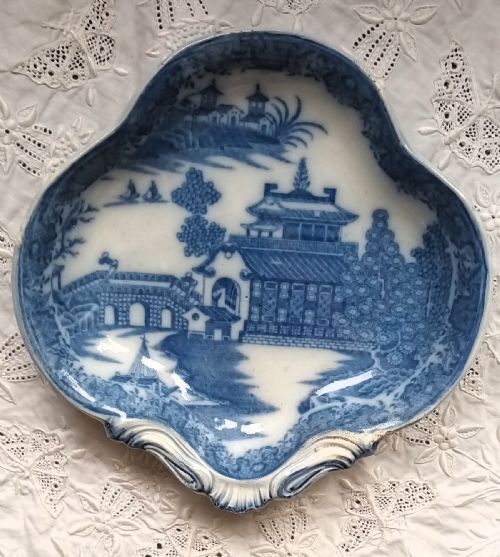
The buyer meets leaf-shaped vessels, scallop shells and trefoil dishes produced in soft-paste porcelain, earthenware and ironstone. Many pieces display blue and white transfer printing or hand-painted Chinoiserie scenes involving rocks, birds and fishermen. These small dishes reveal the changing tastes of Georgian and Victorian households.
How they were made
Potters shaped soft-paste porcelain and earthenware into moulds formed from real leaves and shells, capturing natural veining and fluting. They applied cobalt underglaze before firing, or painted enamel colours and gilt highlights over the glaze.
Ironstone provided a robust alternative for later nineteenth-century pieces, decorated with transfer-printed patterns like the Indian Grasshopper motif. Factories utilised high-temperature kilns to set the glazes, resulting in the luminous surfaces seen on Worcester and Caughley wares.
Listings here feature eighteenth-century soft-paste porcelain alongside nineteenth-century ironstone and earthenware.
What varies in quality
The clarity of the cobalt underglaze and the crispness of the moulding separate standard vessels from exceptional works. Pieces cast from detailed natural models show sharp leaf veins and well-defined edges rather than soft, blurred contours.
Hand-painted enamel details and precise transfer printing demonstrate the skill applied in the factory. Early soft-paste porcelain bodies with translucent qualities and careful potting stand apart from heavier utilitarian earthenwares.
Caughley·Dr Wall Worcester·Liverpool Pennington·Mason’s Ironstone
The Antique Ceramic Pickle Dish Glossary
- Soft-paste porcelain
- An early artificial ceramic composition fired at lower temperatures than hard-paste porcelain. It creates a warm, creamy body with a distinctive glaze finish.
- Cobalt underglaze
- A blue pigment applied to the ceramic body before the glaze and final firing. This technique protects the decoration from wear over centuries of use.
- Transferware
- Pottery decorated by applying a printed design from an engraved copper plate onto tissue paper, which transferred the ink to the ceramic surface.
- Chinoiserie
- European artistic style reflecting Chinese motifs and landscapes. Artisans painted imaginative scenes of rocks, birds and figures on porcelain dishes.
- Trefoil
- A decorative shape with three overlapping lobes resembling clover leaves. Potters used this form for small serving dishes and condiment trays.
Antique Ceramic Pickle Dish: Frequently Asked Questions
What were pickle dishes used for?
These small dishes held gherkins, pickled fruits and sharp relishes served alongside meat courses on Georgian and Regency dining tables. They added colour and variety to elaborate tables.
Guests selected condiments from them during multi-course meals, making them both decorative and functional elements of historic tableware.
How do I date an antique pickle dish?
Examination of the ceramic body, glaze characteristics and decoration style helps determine the period. Soft-paste porcelain and hand-painted Chinoiserie patterns usually point to the eighteenth century.
Later nineteenth-century pieces often utilise ironstone and transfer-printed designs such as the Indian Grasshopper pattern.
Are these dishes safe to use for food?
Historic ceramics with soft glazes and old firing imperfections are generally reserved for display rather than modern dining use. Acidic foods can affect fragile historic surfaces.
Gentle cleaning with warm water without harsh detergents preserves the glaze and any delicate gilt highlights.
Why are most pickle dishes shaped like leaves?
Georgian porcelain designers drew inspiration from the natural world, using real leaves and shells as moulds for their tableware. This botanical aesthetic suited the dining room tastes of the period.
The fluted edges and stems provided natural handles and interesting contours for small condiment trays.