


Antique Pottery Vegetable Tureen
These antique pottery vegetable tureen pieces bring transfer-printed scenes and earthenware form straight to the dining table.
Antique Pottery Vegetable Tureen
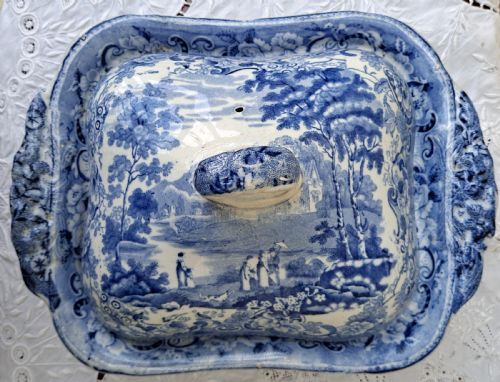
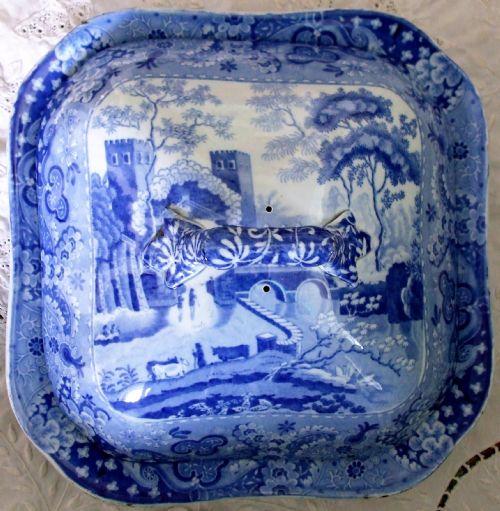
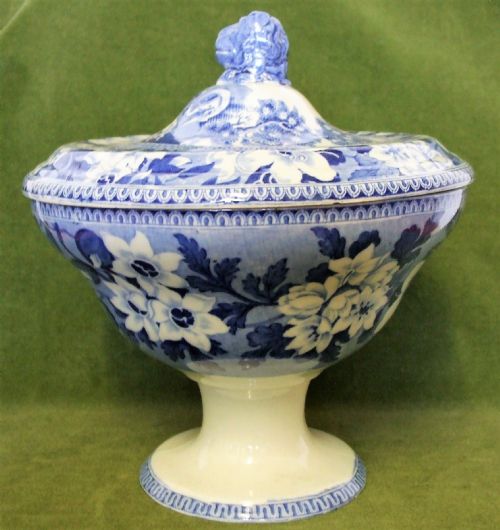
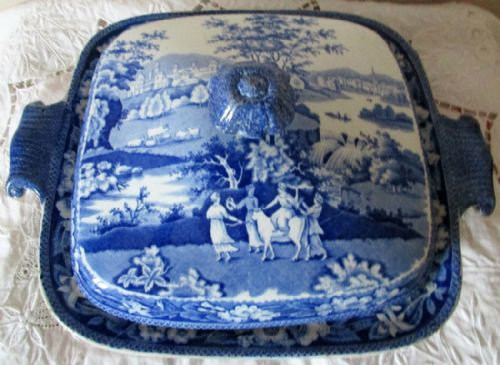
An antique pottery vegetable tureen is a serving vessel designed for the nineteenth-century dining table, appearing across Georgian and Victorian periods. You will regularly find covered examples decorated with blue and white transfer prints depicting specific scenic patterns like castle, rural scenery, and europa.
The selection ranges from standard servingware tureens to soup tureens and supper set pieces, often accompanied by lids and occasionally ladles. Makers such as James Wallace and Co., J. and R. Clews, and John Rogers and Son dominate the offerings on this page.
Most items date from the nineteenth century, specifically spanning the Georgian era and the eighteen-eighties and nineties. These vessels served practical dining functions before transitioning into decorative display items for modern collectors.
Materials and construction
Potters built these pieces using earthenware, ceramic, and ironstone bodies, applying lead glaze or ceramic glaze over the finished form. The white ceramic surface received blue and white transfer print decoration, sometimes enhanced with gilt details.
Craftsmen shaped the bodies into vegetable tureens, soup tureens, and lidded serving dishes, often incorporating matching covers and separate ladles. The firing process fixed the underglaze transfer prints and protective glazes to the porous earthenware bodies.
The inventory includes specific nineteenth-century styles from the Georgian and Victorian eras, alongside named Staffordshire makers.
Factors of quality
The clarity and crispness of the blue and white transfer print distinguish finer examples from softer, blurred impressions. Strong definition in patterns like castle, rural scenery, or pictorial subjects indicates superior execution.
The presence of matching lids, ladles, and intact gilt highlights elevates the completeness of a tureen. Heavier earthenware bodies like ironstone and well-applied ceramic glaze also signify robust manufacture.
James Wallace and Co.·J. and R. Clews·John Rogers and Son·John and Richard Riley·Ridgways·Turner
The Antique Pottery Vegetable Tureen Glossary
- Earthenware
- A porous pottery body fired at lower temperatures, requiring a glaze to hold liquids. It forms the base material for most nineteenth-century tureens.
- Transfer Print
- A method of decorating ceramics by pressing a printed tissue paper design onto the bisque body from an engraved copper plate. This technique created the blue and white scenic patterns seen on Georgian and Victorian pieces.
- Ironstone
- A dense, durable type of earthenware patented in the nineteenth century. It resists chipping better than standard soft-paste pottery.
- Lead Glaze
- A glassy coating containing lead oxide applied to earthenware before firing to create a smooth, waterproof surface. It gives the ceramic body its glossy finish.
- Soup Tureen
- A large, deep serving vessel with a cover, intended for holding and presenting soup at the dining table. They frequently include matching ladles and undertrays.
Antique Pottery Vegetable Tureen: Frequently Asked Questions
What is a vegetable tureen used for?
These lidded vessels held cooked vegetables at the nineteenth-century dinner table, keeping the contents warm during long meals. They were brought out from the kitchen to sit directly on the dining surface as part of a larger service.
Today, they function primarily as decorative table centerpieces or storage containers in traditional dining rooms and kitchens.
How do I date an antique tureen?
Dating relies on maker marks, ceramic bodies, and the style of the blue and white transfer print. Georgian pieces often feature distinct transfer patterns, while late nineteenth-century examples display different earthenware weights and glaze compositions.
Comparing the printed registry marks and named makers helps narrow down the manufacturing decade within the nineteenth century.
Can I use these tureens for serving food?
While originally designed for food service, antique earthenware tureens can absorb moisture or sustain damage from modern dishwashers and acidic foods. Many collectors choose to display them rather than risk staining the aged glaze and ceramic body.
Gentle hand washing is recommended if you occasionally use them for dry presentation.
What is the difference between ironstone and earthenware?
Ironstone is a heavier, harder type of earthenware developed to withstand heavy daily use without chipping easily. Standard earthenware is more porous and softer in composition.
Both materials received the blue and white transfer prints common to nineteenth-century servingware.