
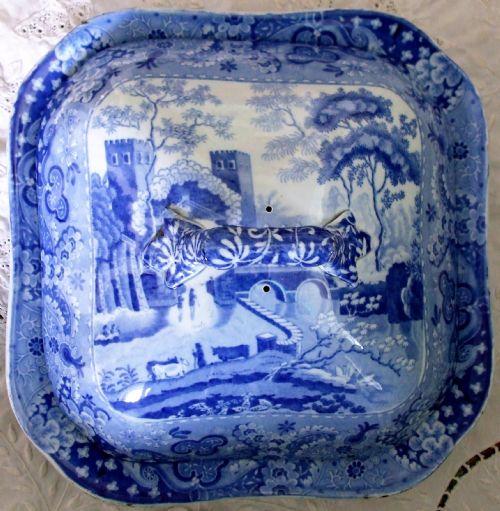
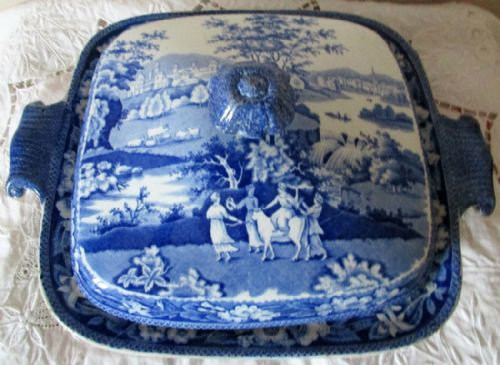


Covered Ceramic Serving Dish
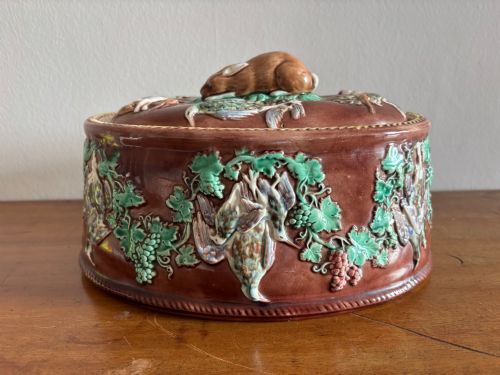
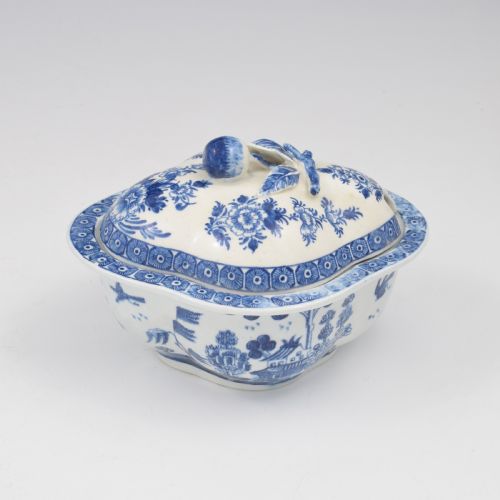
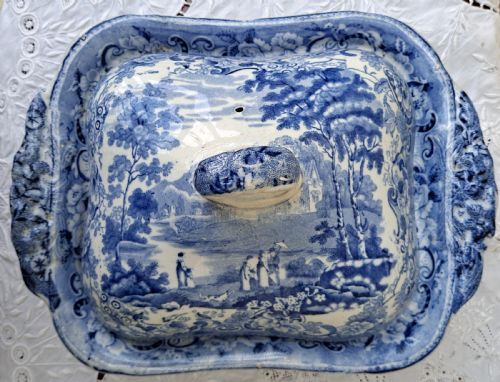
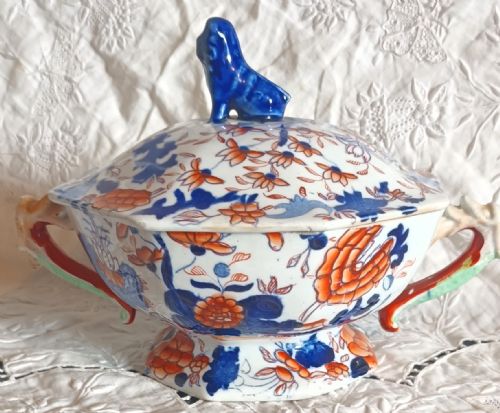
These covered ceramic serving dish examples bring practical elegance to the table, offering deep bowls and fitted lids designed to keep food warm.
Covered Ceramic Serving Dish
A covered ceramic serving dish encompasses utilitarian vessels created for presenting meals at the table, spanning forms from soup tureens to vegetable dishes and sauce tureens. When exploring this selection, a buyer encounters pieces originating primarily from the eighteenth and nineteenth centuries, including Victorian and Georgian periods.
The assortment includes English earthenware and ironstone alongside soft-paste porcelain and Chinese Export wares. Makers utilised traditional European, Chinese, and Japanese imari styles to decorate these containers for dining rooms.
Vessels take various shapes, ranging from boat-shaped dishes and quatrefoil sauce tureens to large multi-piece dinner services and lidded supper sets. Each object served a distinct purpose in formal service, holding everything from roasted game to liquid broths.
Materials and Technique
Potters shaped earthenware, ironstone, and porcelain using moulds or throwing techniques before applying intricate blue and white transfer prints or hand-painted enamels. Many vessels received rich colour accents, gilding with gold leaf, and protective lead or tin glazes to seal the porous clay body.
High-firing kilns transformed soft-paste porcelain and ironstone into durable wares capable of holding hot liquids and foods. Artisans then added detailed landscape scenes, floral motifs, and oriental patterns across the surface.
Forms range from large soup tureens and sauce boats to multi-piece dinner services and lidded vegetable dishes originating from English and Continental potteries.
Quality and Craftsmanship
The distinction between standard utility items and finer examples rests upon the crispness of the transfer print, the delicacy of the porcelain body, and the precision of hand-painted enamel work. Superior pieces display deep, uniform glaze coverage and well-modelled handles or finials that integrate smoothly with the vessel.
Makers known for exceptional ironstone and porcelain output, such as Mason's or Derby, achieved greater refinement in their clay mixtures and kiln temperatures. This technical control resulted in sharper details and more resilient servingware.
James Wallace and Co·J and R Clews·John and Richard Riley·Flight Barr and Barr·Müller Volkstedt MV Co·Doulton Burslem·John Rogers and Son·Copeland and Garrett
The Covered Ceramic Serving Dish Glossary
- Tureen
- A deep, covered vessel designed for serving soups, sauces, or vegetables at the dining table. These pieces often rest upon matched stands and include fitted lids with sculptural handles.
- Ironstone
- A heavy, durable type of earthenware patented in the nineteenth century to imitate Chinese porcelain. It resists chipping and provided a sturdy surface for transfer-printed decoration.
- Soft-Paste Porcelain
- A ceramic composition made from white clay and glass frit, fired at lower temperatures than hard-paste porcelain. It yields a warm, slightly creamy body favoured by eighteenth-century English factories.
- Transfer Printing
- A decorating technique where an engraved copper plate transfers a design onto tissue paper, which is then pressed onto the ceramic body before glazing. This method allowed for intricate, repeatable scenes like rural landscapes and blue and white patterns.
Covered Ceramic Serving Dish: Frequently Asked Questions
What were covered ceramic serving dishes used for?
These vessels held soups, sauces, vegetables, and meats during formal meals, keeping the contents warm beneath a fitted lid until serving at the table.
Many sets included matching ladles, stands, or multiple graduated dishes to accommodate different courses during large dinners.
How do I identify a Georgian tureen?
Georgian pieces typically date from the late eighteenth to the early nineteenth century, featuring characteristic blue and white transfer prints, ironstone bodies, or early porcelain compositions.
Look for classical forms, Chinoiserie patterns, and maker marks associated with this distinct period of English ceramics.
Can I use antique tureens for serving food?
While these items were originally made for dining, antique ceramics often feature crazed glazes or historical repairs that make modern food service impractical.
Many collectors prefer to display them as decorative table centerpieces or use them safely for dry storage rather than hot liquids.
What is the difference between ironstone and porcelain?
Ironstone is a dense, opaque earthenware developed for durability, while porcelain is a vitrified ceramic that can be translucent and feels lighter in the hand.
Both materials were glazed and decorated, but ironstone offers a heavier, more robust structure suited to everyday nineteenth-century dining.