


Antique Ceramic Butter Dish
An antique ceramic butter dish is a practical table accessory from past centuries that brings period character to a modern kitchen.
Antique Ceramic Butter Dish
When you search for an antique ceramic butter dish, you encounter lidded table vessels designed to keep dairy cool and protected on the dining table. The pieces available span the eighteenth, nineteenth, and early twentieth centuries, reflecting changing domestic habits across the Georgian, Victorian, and Edwardian periods.
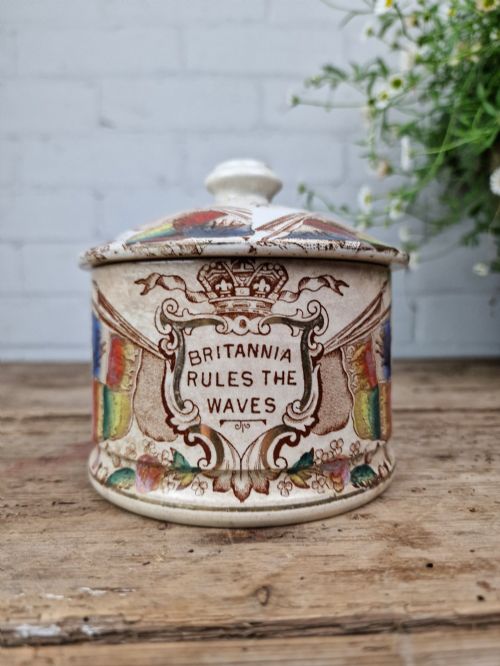
You are most likely to meet earthenware and porcelain examples from the nineteenth century on this page. These functional forms range from simple glazed kitchen keepers to highly decorated majolica and soft-paste porcelain tablewares.
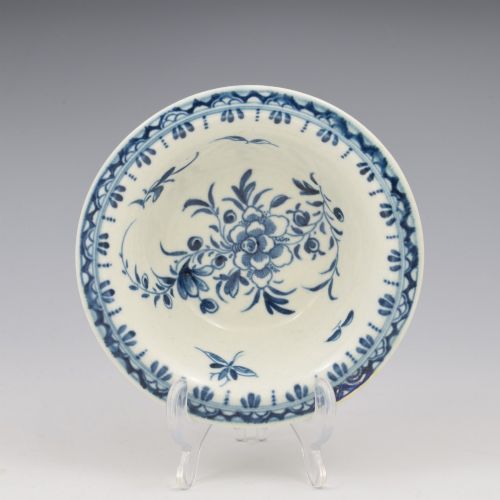
The selection includes specialised butter dishes alongside related covered vessels such as cheese dishes and pickle dishes. Makers from English factories and Imperial Russian potteries produced these items in various styles, including Chinoiserie and traditional floral patterns.
What varies in quality
The standard of painting and glazing separates standard utilitarian kitchenware from high-status table porcelain. Finely executed hand-painted motifs and crisp moulding distinguish the better examples from simpler production pieces.
Preservation of the original glaze and the survival of matching covers dictate the desirability of a piece. Finer items retain their bright enamel colours and crisp decorative relief without heavy wear to the high points.
Covered forms include specialised cheese dishes, pickle dishes, and bird-form butter boxes.
Thomas Forester and Sons·George Jones·Kuznetsov·Mason
The Antique Ceramic Butter Dish Glossary
- Majolica
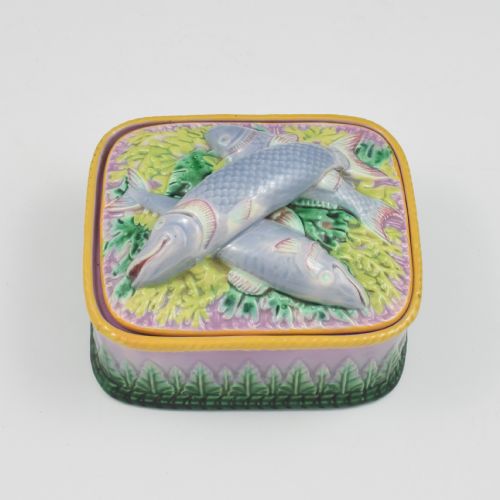
- A type of earthenware glazed with lead-based colours that produced vibrant greens, pinks, and yellows during the nineteenth century. This technique allowed for heavy relief moulding of natural forms.
- Soft-paste porcelain
- An artificial porcelain mixture fired at lower temperatures than hard-paste porcelain. It was widely used in eighteenth-century English factories.
- Ironstone china
- A patented type of heavy earthenware developed for durability in domestic use. It combined the strength of stone with the refined appearance of porcelain.
- Chinoiserie
- A European artistic style reflecting Chinese motifs and landscapes. It appears frequently on eighteenth-century porcelain tablewares.
- Kakiemon style
- A Japanese decorative scheme featuring asymmetric floral and bird arrangements adopted by European potteries. The palette typically includes iron red, blue, and yellow.
Antique Ceramic Butter Dish: Frequently Asked Questions
How do I date a ceramic butter dish?
Dating relies on stylistic clues, paste composition, and factory marks stamped or painted on the base. Eighteenth-century pieces typically show soft-paste bodies and hand-painted underglaze blue, whereas Victorian examples often feature majolica glazes or heavier ironstone.
Examining the wear on the foot rim and the crazing in the glaze also helps determine the approximate period of manufacture.
Can I use an antique butter dish daily?
While these dishes were originally made for daily dining, many collectors prefer to use them gently or display them as decorative items. Modern dishwashers and microwaves should be avoided to protect the historic glaze and delicate painted enamels from damage.
Hand washing in lukewarm water with mild soap is the safest way to maintain the ceramic surface.
What is the difference between a butter dish and a cheese dish?
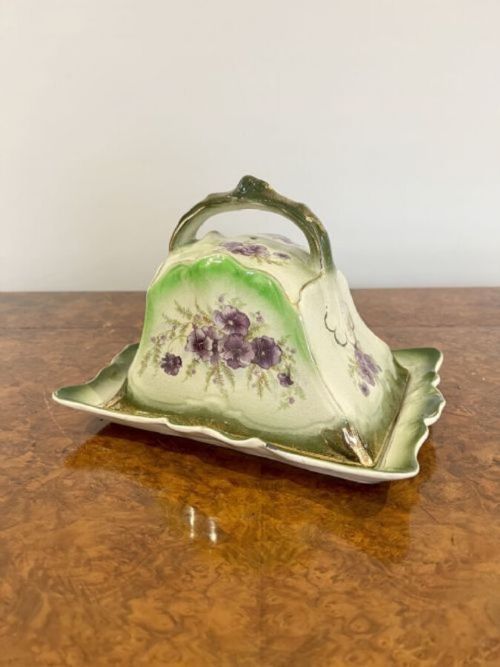
Cheese dishes generally feature a larger domed cover and an associated flat base plate to accommodate wedges of hard cheese. Butter dishes are more compact, designed specifically to hold a standard block or pat of butter for the table.
Both forms serve a similar function in keeping dairy products covered and clean during meals.
How do I identify majolica ware?
Majolica is identified by its colourful, highly glossy lead glazes applied over moulded earthenware body forms. The designs frequently incorporate natural subjects such as leaves, birds, fish, and wicker textures.
The underside often reveals a pinkish or buff-coloured earthenware clay beneath the translucent glaze layer.