


Victorian Blue White Earthenware
Victorian blue white earthenware comprises transfer-printed tableware and sanitary items from the nineteenth century, sought after for domestic display and daily utility.
Victorian Blue White Earthenware
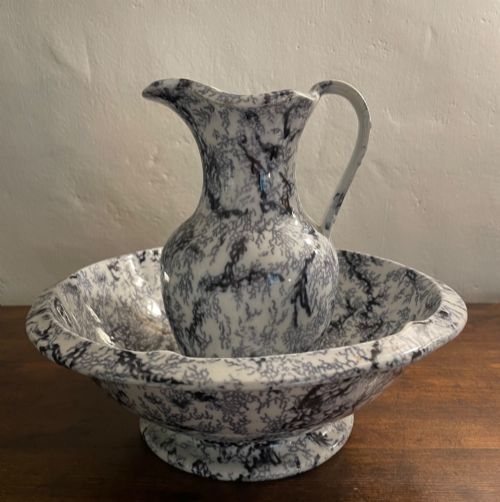
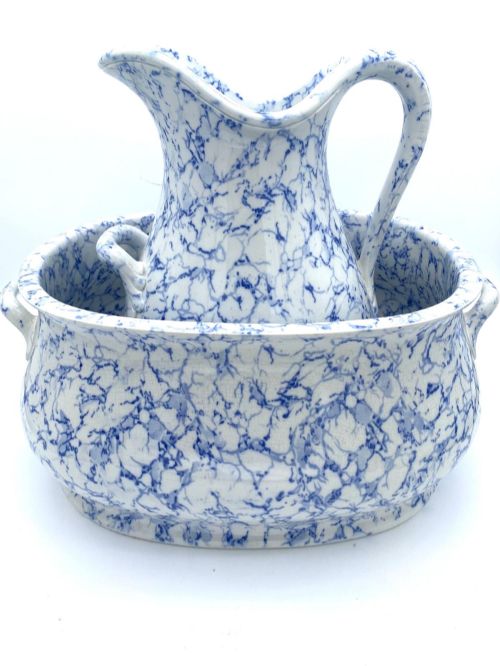
Victorian blue white earthenware includes heavy meat platters, footbaths, soup ladles, and jugs produced across the nineteenth century. These objects served functional roles in large households, from washing to serving family meals.
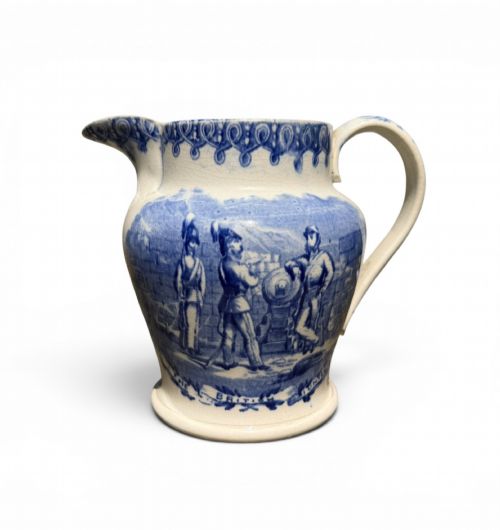
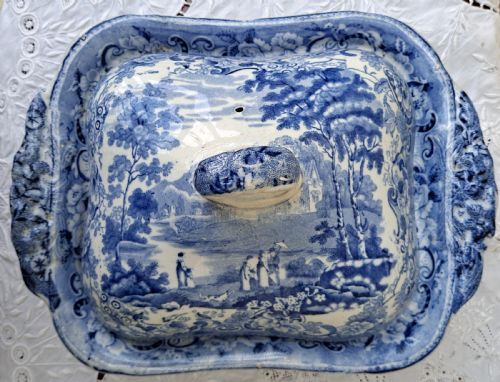
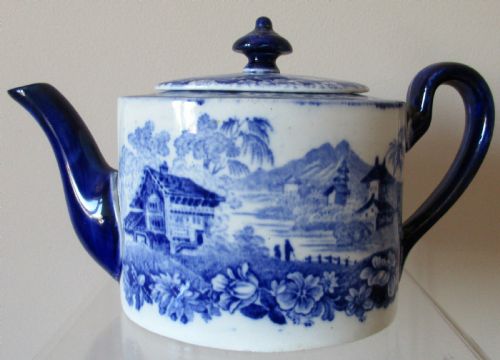
Transfer-printed patterns such as Willow and Rural Scenery dominate the items seen here, alongside flow blue colorways. Platters and tureens form the majority of surviving domestic kitchenware.
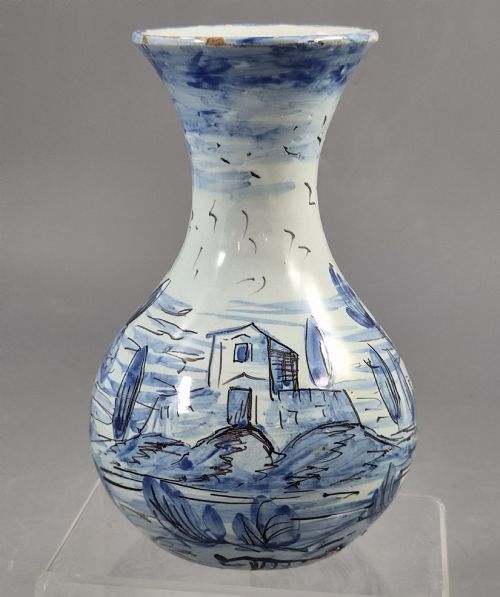
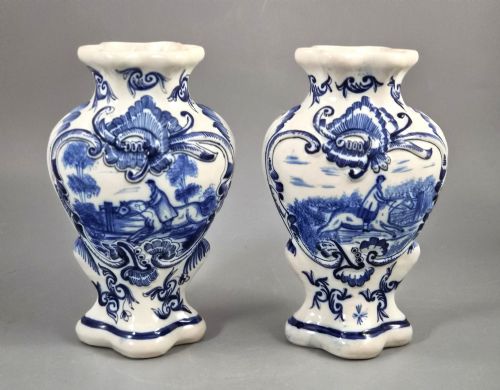
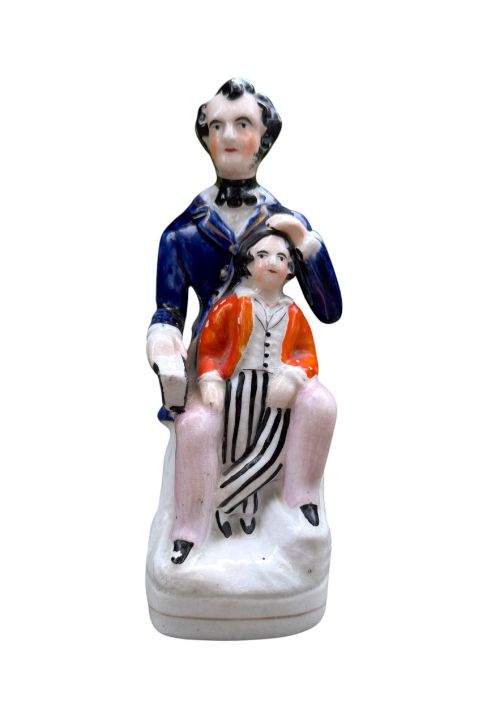
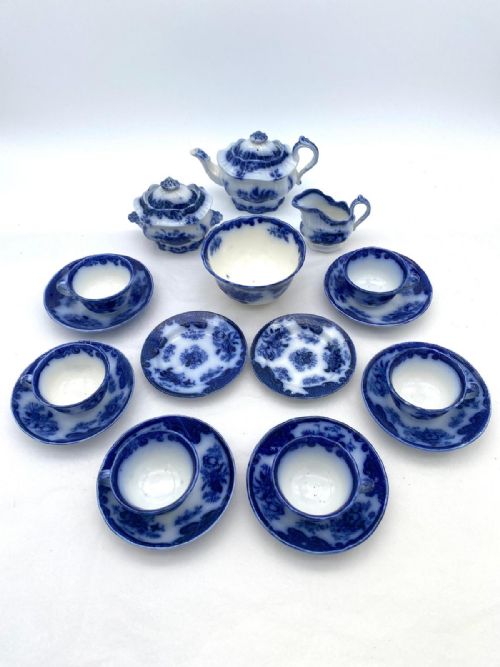
Manufacture centres largely on Staffordshire potteries, though examples extend to Dutch delftware, French faience, and Italian-inspired designs. Forms range from small child's tea services to substantial decorative chargers.
How they were made
Potters shaped earthenware bodies by hand or in moulds, applying cobalt blue pigment through transfer printing onto the clay before glazing. This technique allowed intricate pastoral and architectural scenes to cover large surfaces consistently.
Pieces received a transparent lead glaze over the transfer print to protect the ceramic body and create a glossy finish during kiln firing. Enamel and copper lustre highlights sometimes followed the primary blue transfer print.
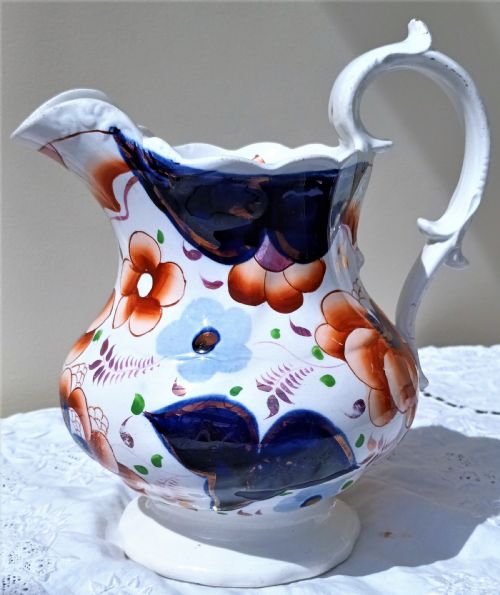
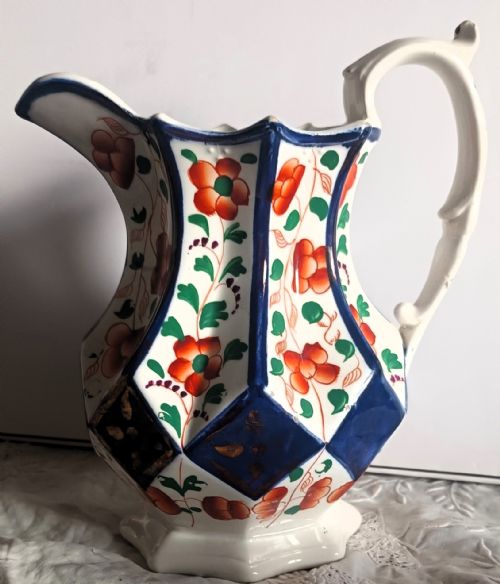
Listings feature nineteenth-century earthenware forms including footbaths, meat platters, and soup ladles decorated with blue transfer prints.
What varies in quality
Clarity of the transfer print dictates visual standard, where sharp outlines and deep cobalt tones distinguish superior pieces from blurred impressions. Smudging during the transfer process lowers the aesthetic appeal of the earthenware surface.
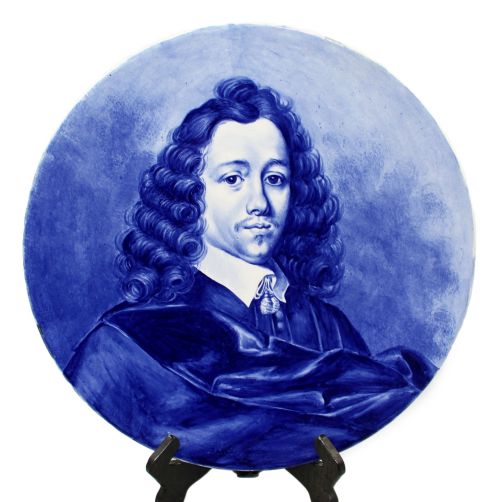
Complexity of form and scale also separate standard domestic wares from exhibition items, such as large footbaths or detailed portrait chargers. Condition of the glaze and absence of heavy firing flaws determine the desirability of surviving domestic items.
Minton·Copeland·James Wallace and Co·Doulton Lambeth·Spode
The Victorian Blue White Earthenware Glossary
- Transfer printing
- A method of applying engraved designs to ceramics using paper tissue coated in metallic oxide pigment. This process enabled mass production of detailed pictorial scenes on utilitarian earthenware.
- Flow blue
- A style where cobalt blue ink blurred intentionally into the surrounding white glaze during kiln firing. The chemical atmosphere created a soft, misty aesthetic popular on mid-Victorian tableware.
- Earthenware
- A porous, opaque ceramic body fired at lower temperatures than porcelain or stoneware. It requires a protective glaze to hold liquids and forms the foundation of most nineteenth-century kitchenware.
- Tureen
- A deep covered bowl designed for serving soups, sauces, or vegetables at the dining table. Nineteenth-century examples often included matching ladles and decorative handles.
- Footbath
- A large vessel used for personal hygiene in Victorian bedrooms before plumbed bathrooms became standard. These heavy ceramic basins often feature extensive blue and white transfer decoration.
Victorian Blue White Earthenware: Frequently Asked Questions
What are Victorian blue white earthenware platters?
These large ceramic trays served heavy roasts and meats at dining tables across nineteenth-century households. Their generous surfaces accommodated poultry and joints while displaying intricate landscape transfers.
Potters produced them in various sizes to fit specific dining routines, utilising durable earthenware bodies to withstand heavy daily use and washing.
How were flow blue jugs used?
Flow blue jugs held water or milk for washing and dining, often paired with matching basins or tea services. The blurred cobalt decoration gave them a distinctive hazy appearance popular in mid-Victorian homes.
Households displayed these vessels on sideboards or washstands when not in active daily service across the bedroom and kitchen.
How do I care for antique earthenware?
Wash these ceramics gently by hand in warm water using mild soap, avoiding harsh scrubbing or dishwashers that harm old glazes. Soft cloths protect the historic surfaces from accidental scratching.
Keep them away from rapid temperature changes and damp environments to protect the porous earthenware body and nineteenth-century glaze.
How do I date nineteenth-century transferware?
Maker marks stamped or printed on the underside provide the most reliable evidence for dating individual ceramic pieces. Registry marks and specific factory titles establish precise production years.
Stylistic shifts in border patterns and the depth of the cobalt blue tone also help distinguish early pieces from late Victorian output.