


Antique Porcelain Demitasse Cup
An antique porcelain demitasse cup delivers small portions of strong coffee in miniature proportions, bringing cabinet-scale ceramic artistry to the table.
Antique Porcelain Demitasse Cup
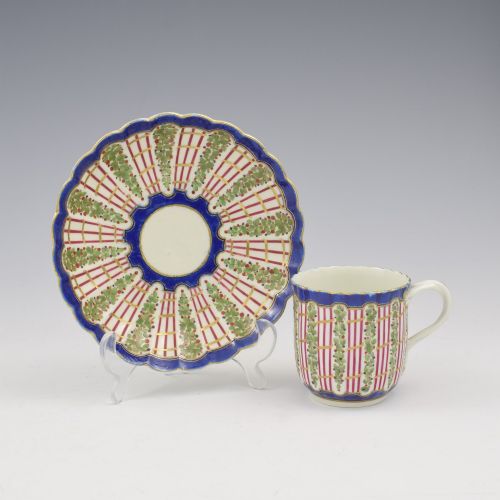
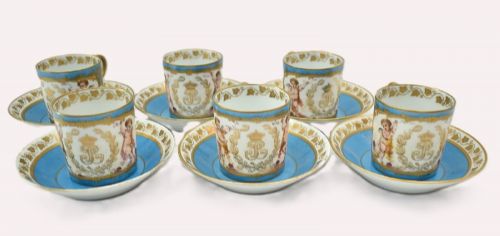
An antique porcelain demitasse cup represents a specialised vessel designed for after-dinner coffee, appearing in forms such as coffee cans, cabinet cups, and pedestals alongside matching saucers. These diminutive pieces span periods from the eighteenth century through the Edwardian era and the nineteen-twenties, reflecting changing tastes in domestic dining.
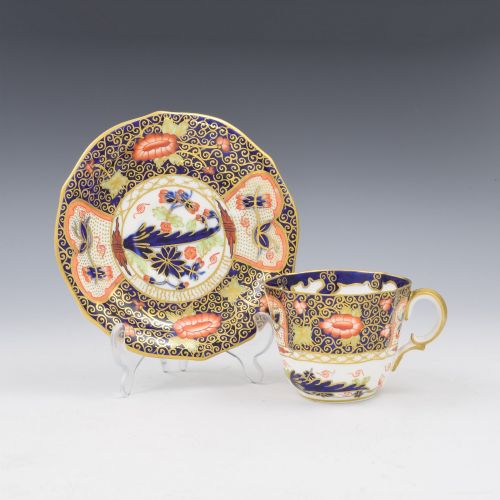
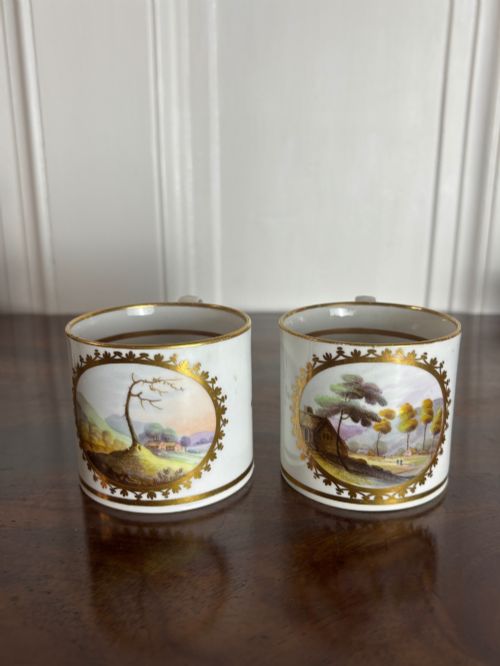
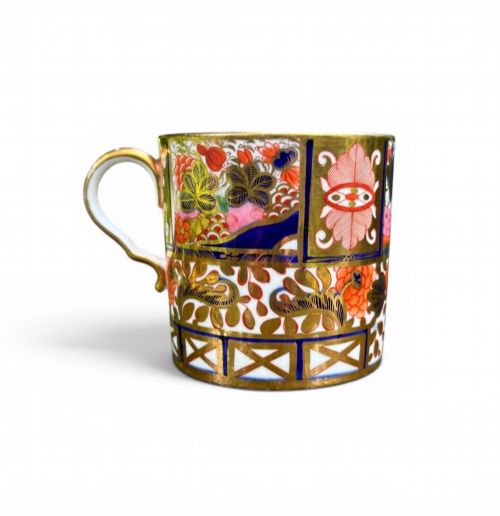
The selection here includes English and continental works, ranging from Georgian Worcester and Spode productions to later Royal Worcester and continental factories like Meissen and KPM Berlin. Buyers frequently encounter cabinet cups and coffee cans that combine delicate handles with painted landscapes, floral sprays, and Imari patterns.
Materials and manufacture
Potters utilised hard-paste and soft-paste porcelain alongside bone china as the primary body for these vessels, applying enamel colours and hand-painted motifs directly to the glazed surface. Gilding and gold leaf accent borders, rims, and handles, sometimes complemented by silver plate mounts.
Specialised techniques include transfer printing and meticulous hand-painting by named artists, fixed through multiple kiln firings to secure the enamel and gold details.
Object forms include coffee cans, cabinet cups, pedestals, and complete service sets with matching saucers.
Distinctions in quality
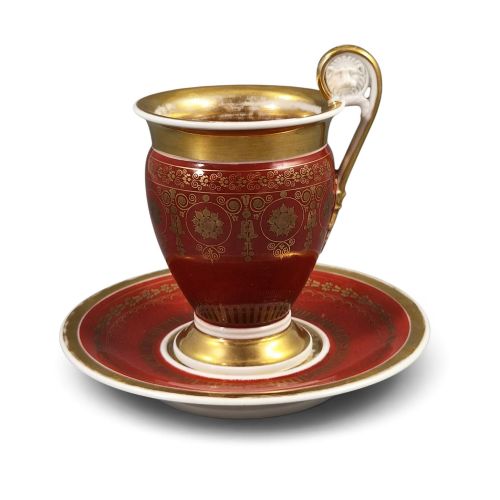
Quality rests upon the crispness of the porcelain body and the precision of the hand-painted decoration, where delicate brushwork on floral or landscape panels elevates certain pieces far above standard transfer-printed wares. The integrity of the gilding and the crispness of moulded details, such as lion mask handles or pedestal bases, dictate the standing of individual examples.
Origin and maker attribution also govern value, with marked pieces from renowned factories like Dr Wall Worcester, Meissen, or Sevres commanding greater attention than unlabelled domestic items.
Royal Crown Derby·Dr Wall Worcester·Rockingham·Yates Leeds·Minton·Spode·Sevres·Elkington·Coalport·Meissen·Royal Worcester·KPM Berlin·Hutschenreuther·Hirsch Dresden·Spode Copeland·Ridgeway
The Antique Porcelain Demitasse Cup Glossary
- Demitasse
- A small cup used for serving strong black coffee or espresso. The word translates from French as half cup.
- Coffee Can
- A cylindrical ceramic cup lacking the flared bowl of a standard teacup, popular during the Georgian and Regency periods. This shape ensured coffee remained hot in a smaller volume.
- Cabinet Cup
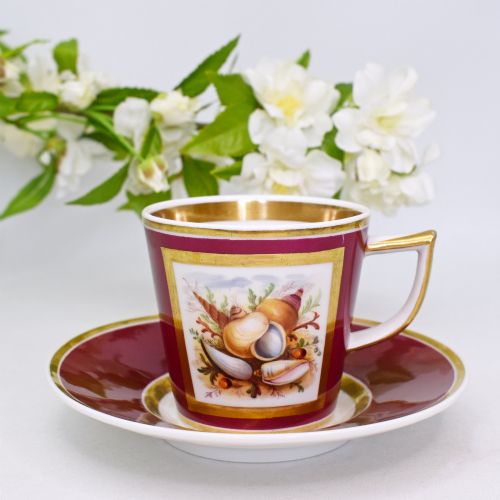
- A decorative cup made primarily for display in a cabinet rather than regular use. These pieces often feature elaborate hand-painted scenes and gilt highlights.
- Imari
- A decorative style originating in Japan and copied by European factories, characterised by underglaze blue, iron red, and abundant gold. Spode and Royal Crown Derby utilised this palette extensively.
- Bone China
- A type of porcelain incorporating bone ash, yielding a durable and slightly translucent body. English potteries adopted this material widely during the nineteenth century.
Antique Porcelain Demitasse Cup: Frequently Asked Questions
What is a demitasse cup used for?
A demitasse cup holds a concentrated measure of black coffee or espresso, typically served after a meal.
Because of their small capacity, these cups suited the strong brews popular in European and British drawing rooms.
How do I date an antique cup?
Dating relies on factory marks stamped or painted on the base, stylistic clues like Regency shapes, and the character of the paste.
Consulting reference guides for specific potteries helps match pattern numbers and cased set periods.
Are these cups safe for daily use?
While robust enough for handling, antique porcelain and delicate gilding benefit from gentle hand washing rather than machine cleaning.
Many cabinet cups are preserved primarily for display due to their age and fragile enamel details.