


Vintage Japanese Porcelain
Vintage japanese porcelain brings rich colour and intricate hand-painted detail to any room, offering traditional forms from centuries past.
Vintage Japanese Porcelain
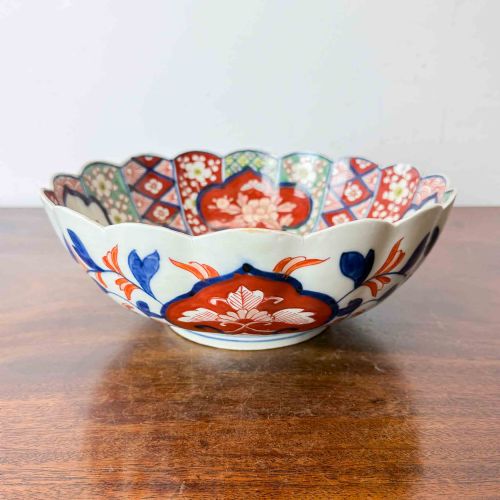
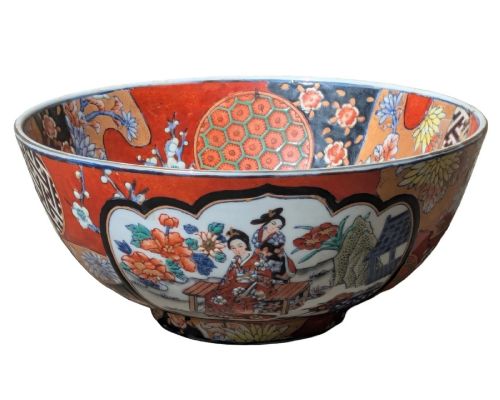
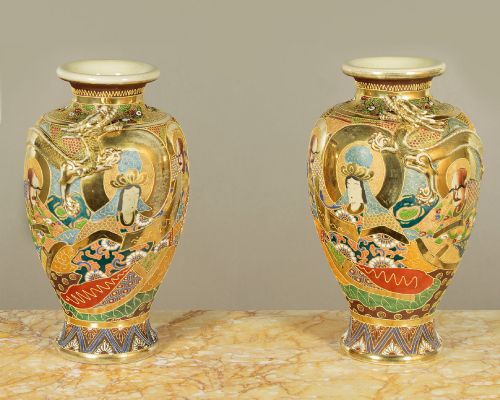
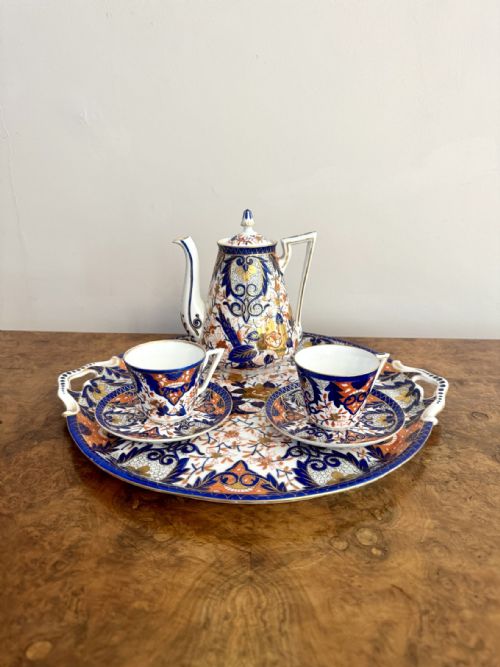
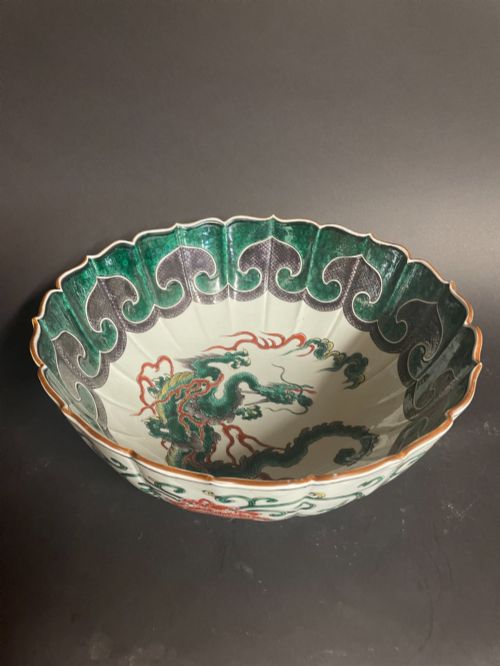
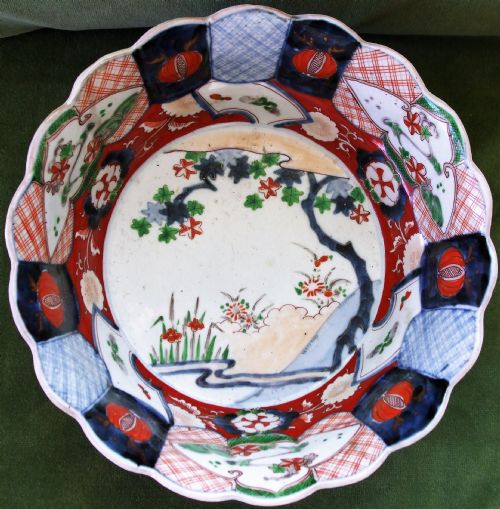
Vintage japanese porcelain encompasses a wide variety of decorative and functional vessels produced across different eras, notably the Meiji period and the early twentieth century. Buyers encounter an array of forms including scalloped bowls, chargers, vases, and tea services that reflect traditional craftsmanship.
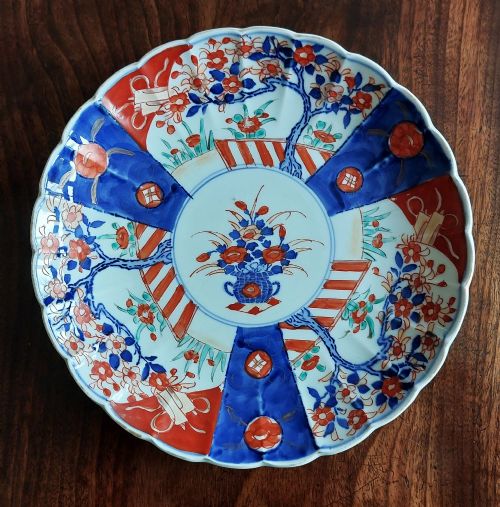
Originating from periods spanning the seventeenth century through to the Showa era, these pieces demonstrate a deep heritage of ceramic artistry. Plates and dishes with distinctive shaped edges appear frequently among the available selection.

Materials and Techniques
Potters utilised fine ceramic paste finished with traditional glazes to form the foundational structure of each vessel. Enamel colours and gold leaf were then applied by hand to create intricate surface patterns.
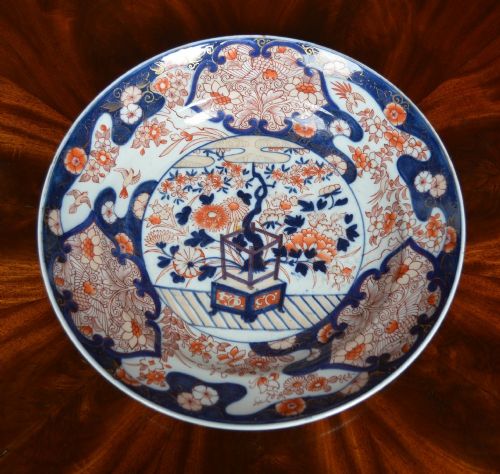
Techniques such as underglaze blue painting and overglaze enamelling define the decoration on Imari and Sometsuke items. Gilt accents and rich pigments are fused to the porcelain body through careful firing processes.
Vintage Japanese Porcelain Retail Price Guide 2026
Typical asking prices for vintage japanese porcelain among the pieces listed under this phrase on Sellingantiques today, from the lower quarter to the upper quarter. They describe what is for sale here now, not the wider market.
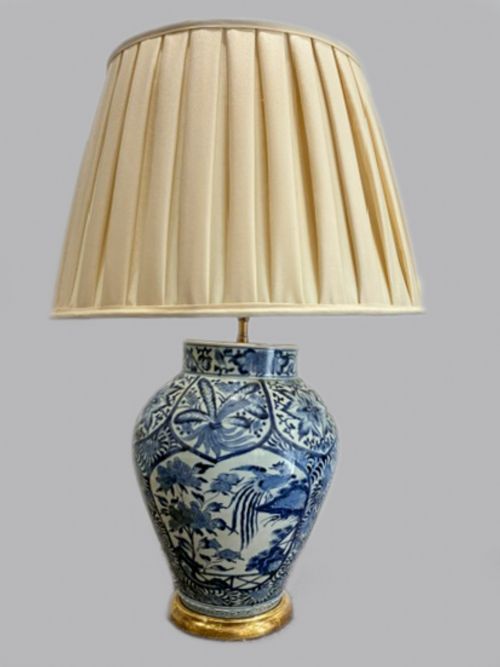
One historic vase found a second life illuminating a room after being converted into a table lamp.
Distinctions in Quality
The standard of a piece rests upon the precision of the hand-painted brushwork and the complexity of the design layout. Superior examples display crisp lines, balanced compositions, and rich, well-preserved enamel colours.
Finely potted bodies with smooth glazing and careful attention to detail at the rims and foot rings separate finer productions from simpler utilitarian wares. Signed pieces from renowned makers often demonstrate a higher degree of artistic refinement.
Koshida·Ginshōtei Gyokushi·Shizan
The Vintage Japanese Porcelain Glossary
- Imari
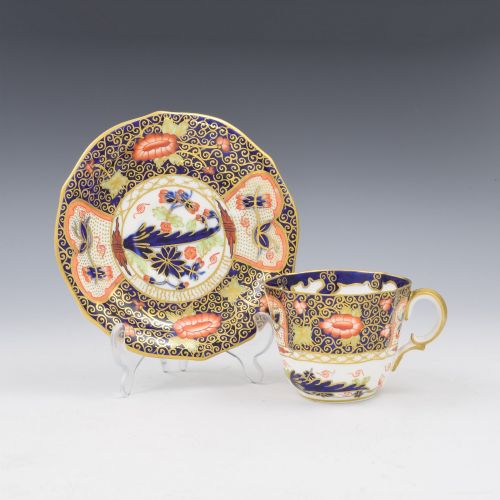
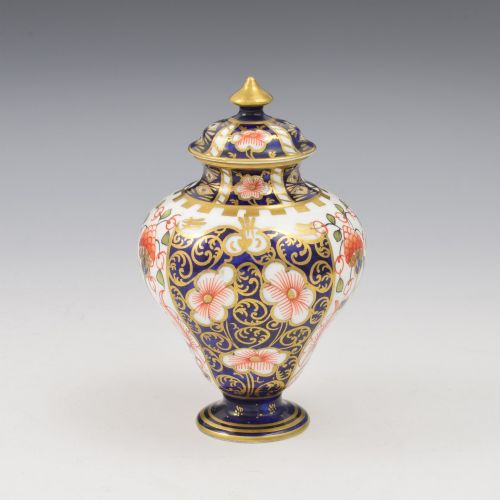
- A style of porcelain featuring a distinct palette of underglaze blue, iron red, and gilt highlights. It originated in Japan and became widely collected in the West.
- Satsuma
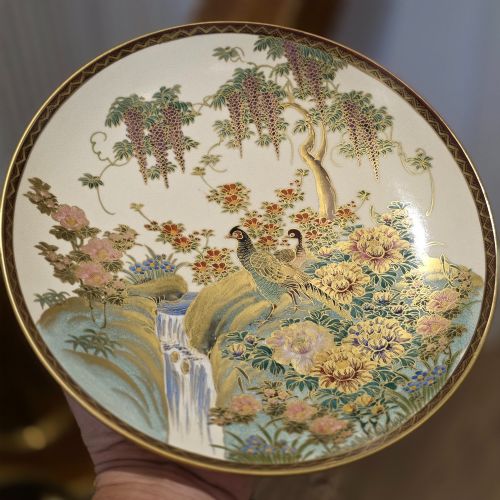
- An earthenware ceramic with a ivory craquelure glaze, typically decorated with elaborate polychrome enamels and gold leaf. It often takes the form of vases, dishes, and decorative figures.
- Charger
- A large decorative plate designed for display rather than for serving food. These pieces often feature dense surface patterns across the central well and rim.
- Okimono
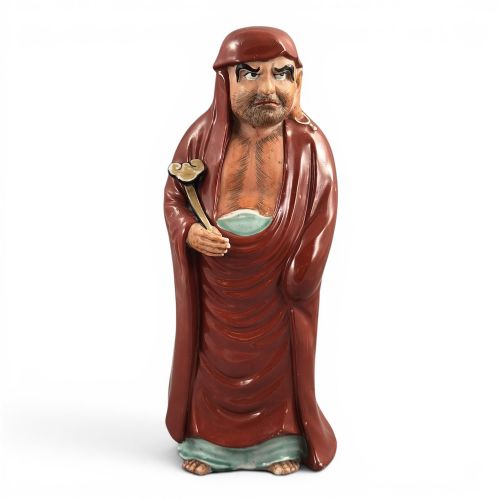
- A Japanese freestanding carving or sculpture meant for display on a shelf or in a traditional alcove. They depict figures, deities, and animals in porcelain or other materials.
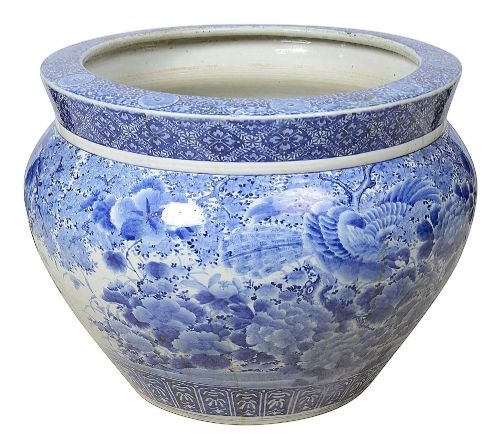
- Jardiniere
- A large ornamental pot or planter designed to hold growing plants or floral arrangements. They frequently appear in ceramic form with detailed exterior decoration.
Vintage Japanese Porcelain: Frequently Asked Questions
How do I identify Imari porcelain?
Imari porcelain is primarily recognised by its distinctive palette combining deep underglaze blue with rusty iron red and added gold leaf details. The patterns are typically dense and floral, covering much of the white ceramic surface.
Many examples feature scalloped or shaped edges and date from the Meiji period or the nineteenth century, though the style has a long history in Japanese ceramic production.
Were these pieces used daily?
While some forms like teacups and plates served functional roles in dining and social rituals, many larger chargers and vases were created purely for display. Bowls and dishes were also utilised in traditional Japanese domestic settings.
Over time, certain vessels such as jars and vases have been converted into table lamps for modern lighting use while retaining their historic ceramic bodies.
How should I clean vintage porcelain?
Vintage porcelain requires gentle maintenance to protect fragile enamel paints and delicate gold leaf detailing. Cleaning should be done by hand using lukewarm water and mild soap.
Harsh detergents and abrasive sponges must be avoided entirely to prevent wearing away the historic overglaze decoration and surface finishes.
How do I date Satsuma ware?
Dating Satsuma ware involves examining the style of the painting, the crackle pattern of the glaze, and any maker marks present on the base. Pieces from the Meiji period often exhibit highly detailed polychrome figures and extensive gilding.
Later productions from the early twentieth century continue these traditional decorative motifs while reflecting the manufacturing methods of their respective decades.