





Oriental Porcelain Plate
An oriental porcelain plate brings centuries of kilncraft and hand-painted design straight to your table or wall.
What an oriental porcelain plate is
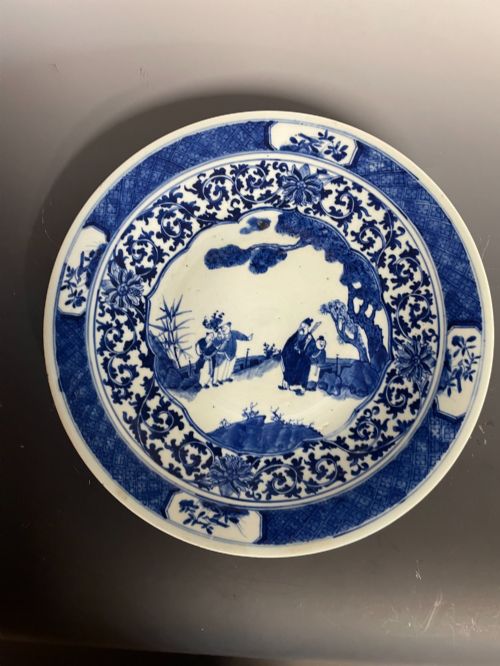
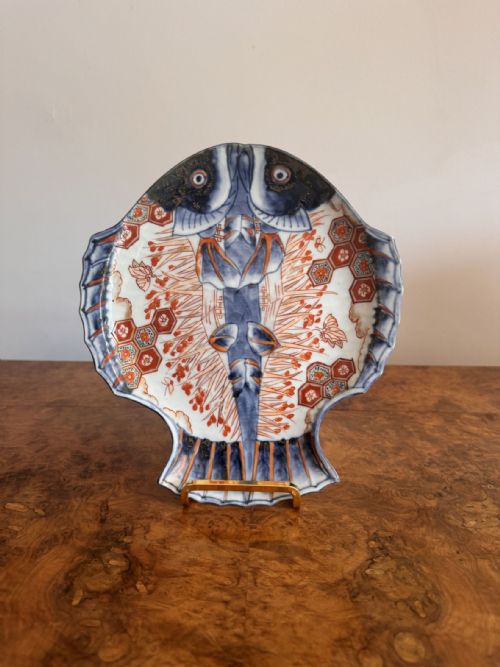
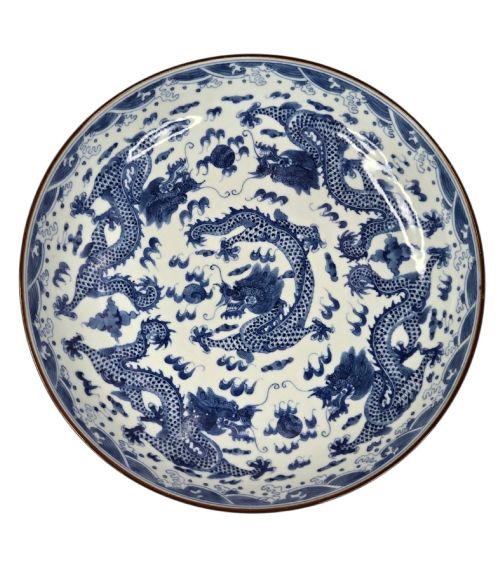
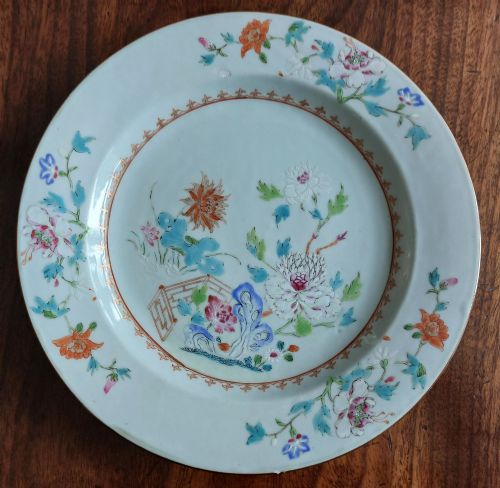
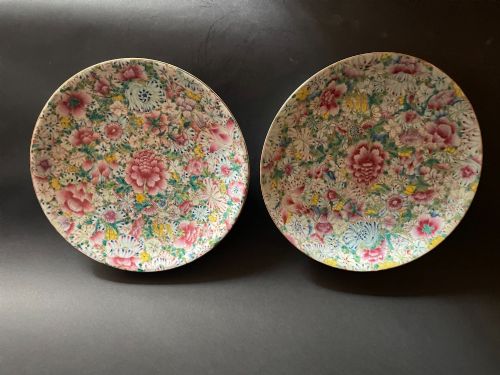
When you search for an oriental porcelain plate, you encounter decorative dishes, chargers, and wall plates originating from Asian traditions. These pieces include Chinese blue and white items from the eighteenth century and Japanese works from the Victorian era and the Meiji period.
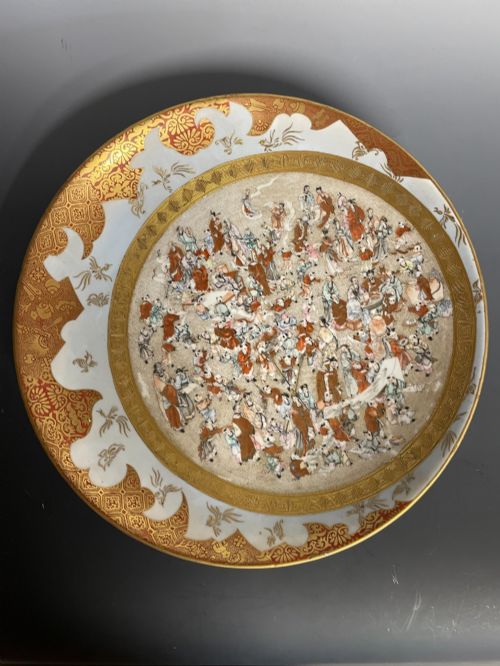
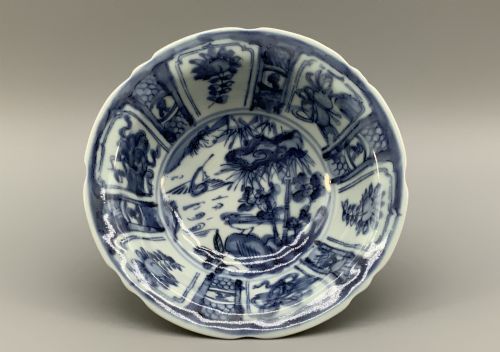
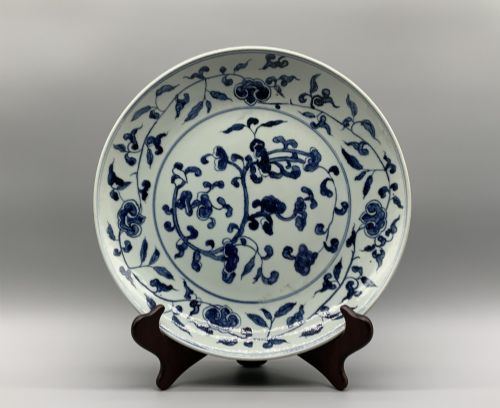
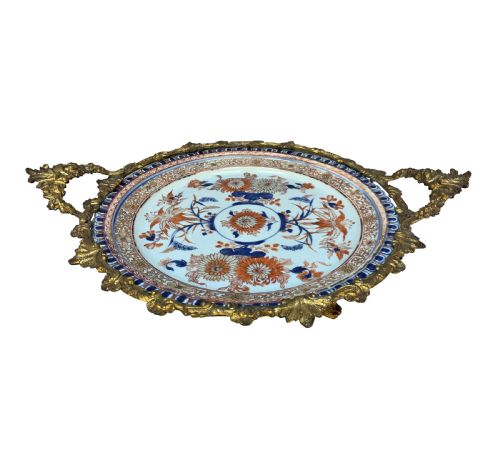
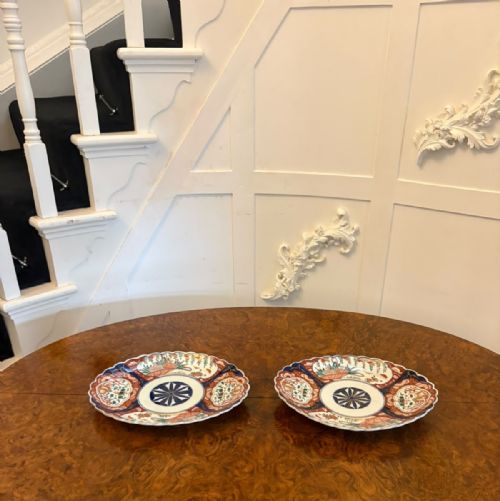
The selections on this page span several distinct aesthetics, ranging from traditional eighteenth-century Chinese blue and white porcelain to nineteenth-century Japanese Imari and late-Victorian Kutani ware. Most items you meet here are chargers and large decorative plates designed primarily for display rather than daily dining.
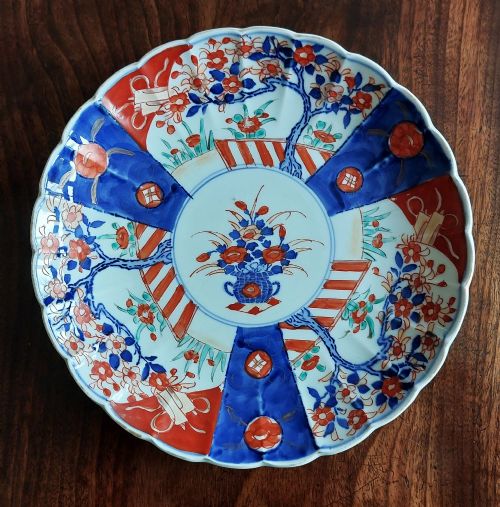
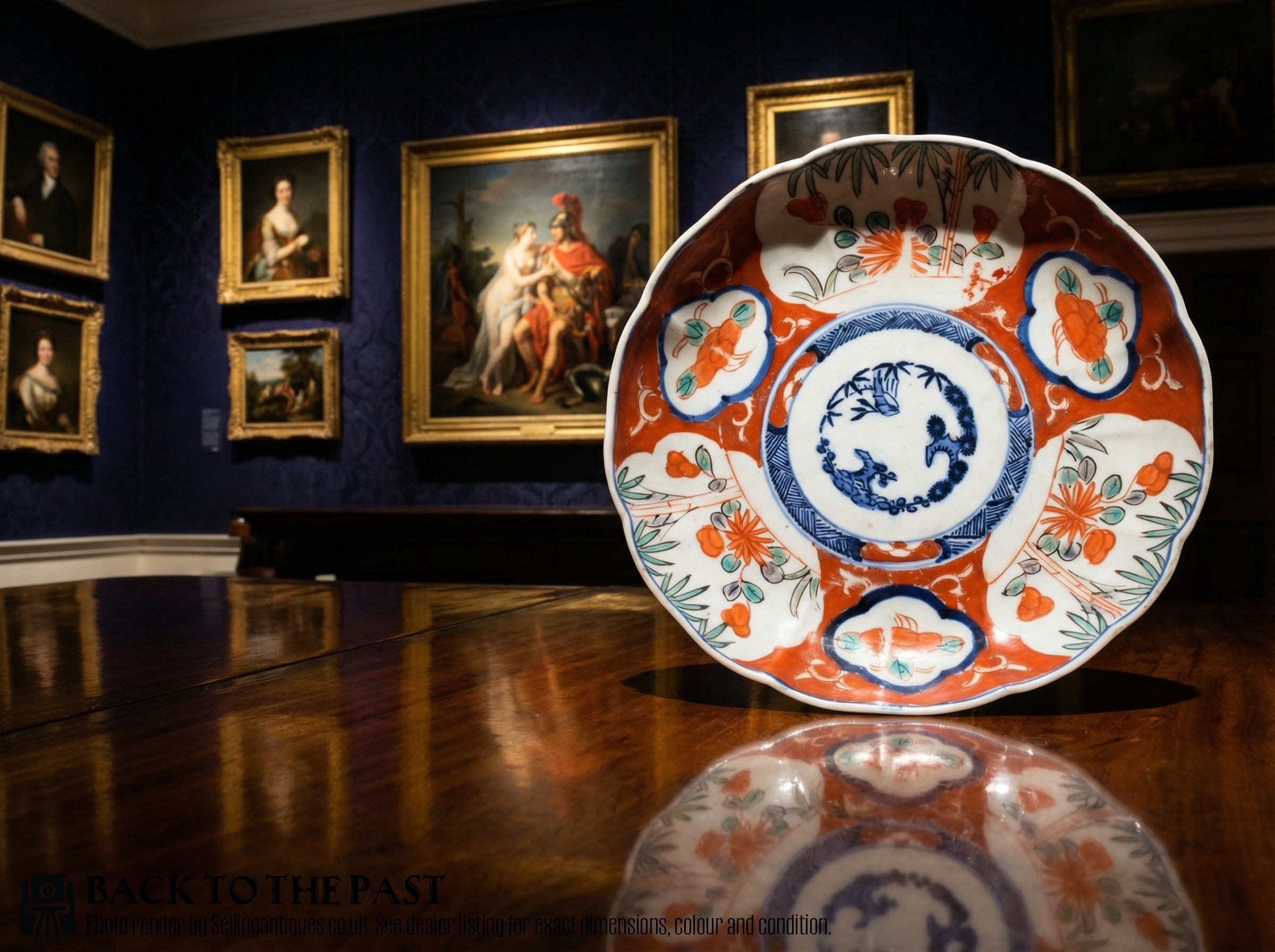
Japanese Imari pieces dominate the current selection, showing rich palettes of iron red, cobalt blue, and gold leaf. Alongside them, Chinese blue and white plates represent earlier periods, offering simpler yet striking contrasts on white ceramic surfaces.

How they were made
Potters shaped these objects from fine porcelain clay before applying mineral glazes and underglaze pigments. The Chinese blue and white examples rely on cobalt oxide painted directly onto the clay body beneath a transparent glaze prior to high-temperature firing.
Japanese Imari and Kutani wares received overglaze enamel decoration and gold leaf accents after their initial glaze firing, followed by a secondary low-temperature fix. This multi-stage technique created the intricate, textured surfaces visible on nineteenth-century chargers.
Retail Price Guide 2026
Typical UK retail prices for oriental porcelain plate, calculated from the Sellingantiques database of over a million retail prices indexed since 2003. This retail price guide relies exclusively on Sellingantiques data; no external sources or auction records are used, so the figures do not describe the wider market.
Listings feature porcelain pieces spanning the eighteenth century, the Victorian era, and the Meiji period, utilising enamel, glaze, and gold leaf.
What varies in quality
Quality in these plates rests upon the precision of the brushwork and the complexity of the palette. Pieces decorated with meticulous hand-painted details and generous applications of gold leaf stand apart from simpler, mass-produced decorative wares.
The depth of the glaze and the clarity of the underlying porcelain body also define the upper tier of the range. Finer nineteenth-century chargers display vibrant, well-preserved enamels that retain their brilliance without fading or rubbing away.
The Oriental Porcelain Plate Glossary
- Imari
- A style of Japanese porcelain featuring distinctive palettes of cobalt blue, iron red, and gold leaf. This aesthetic developed during the Edo period and remained popular through the Meiji era.
- Charger
- A large decorative plate or dish used historically for ceremonial service or displayed upright on walls and dressers. These items generally measure substantially larger than standard dining plates.
- Kutani
- A traditional style of Japanese painted porcelain known for bold colours and intricate pictorial scenes. Pieces from this tradition often incorporate fine gold detailing over an enamel base.
- Underglaze
- A method of decorating pottery before applying a protective glaze layer and firing at high temperatures. This technique protects the pigment from wear over centuries of handling.
- Qing Dynasty
- The final imperial dynasty of China, spanning from the seventeenth to the early twentieth century. Ceramics from this era are celebrated for technical refinement and classic blue and white painting.
Frequently Asked Questions
How do I hang a heavy charger?
Large decorative chargers require sturdy brass or coated wire hangers designed to distribute weight evenly across the rim. Ensure the wall fixing secures directly into a stud or uses heavy-duty wall anchors.
Avoid spring-loaded hangers with excessive tension that might chip the porcelain edge over time. Periodically check the fitting to ensure the plate remains secure.
Can I use these plates for food?
Most antique oriental plates, particularly nineteenth-century Imari and Kutani pieces, feature overglaze enamels and gold leaf that can wear away with regular use. Acidic foods and modern dishwashers will damage these delicate decorative surfaces.
It is best to treat these items as purely decorative display pieces rather than functional tableware. Hand washing in lukewarm water with mild soap is necessary if cleaning becomes required.
How do I tell Imari from Kutani?
Japanese Imari porcelain relies on a strict tripartite palette of cobalt blue underglaze, iron red overglaze, and gold leaf accents. The designs frequently feature floral and brocade motifs arranged in symmetrical panels.
Kutani ware typically employs a broader, more pictorial palette dominated by greens, purples, and yellows alongside reds and golds. Kutani pieces often depict figural scenes and nature studies with intense detail.
What period are these from?
The pieces listed here date from the eighteenth century through to the late Victorian era around nineteen hundred. They encompass both Chinese Qing dynasty production and Japanese Edo and Meiji period craftsmanship.
Stylistic markers and glaze characteristics help distinguish the earlier blue and white Chinese plates from the more colourful late-nineteenth-century Japanese chargers.