


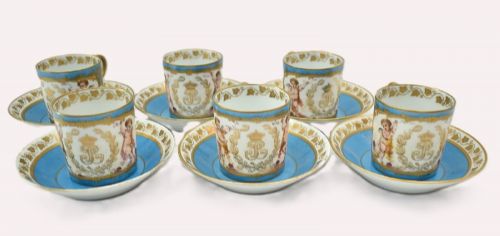


Gilded Blue Porcelain Cup
A gilded blue porcelain cup brings rich colour and gleaming metallic detail to the table, offering a tangible piece of ceramic history.
Gilded Blue Porcelain Cup
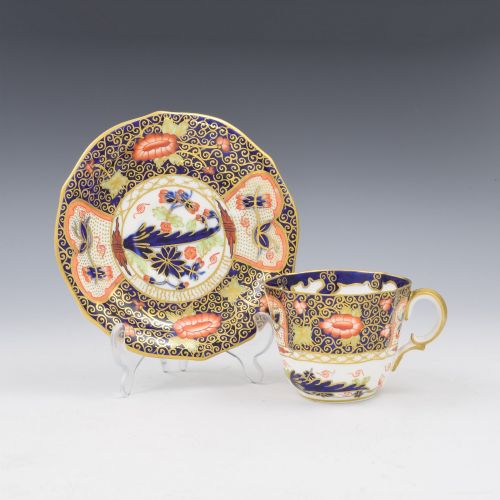
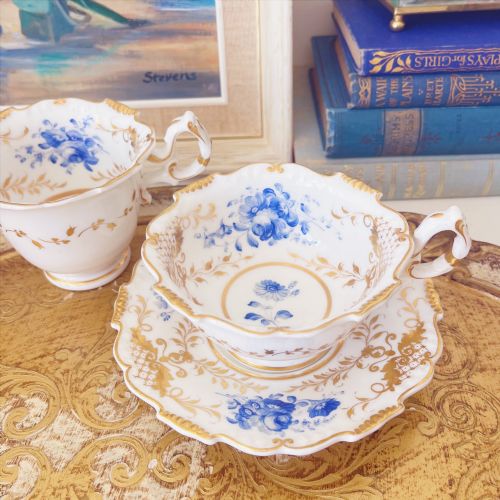
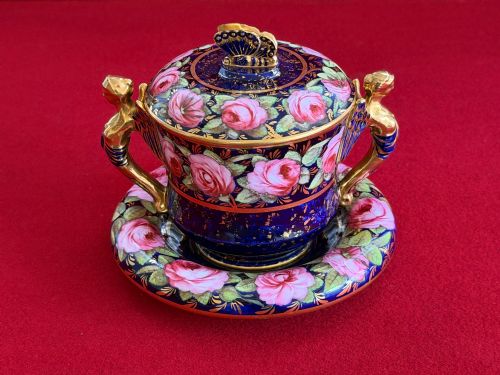
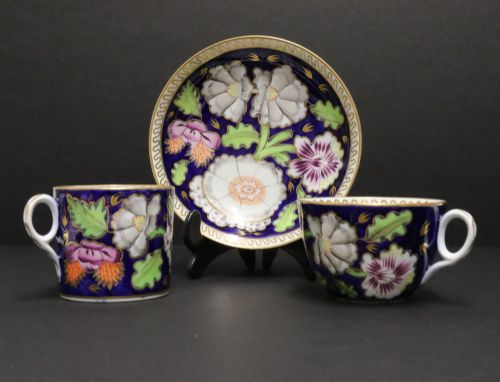
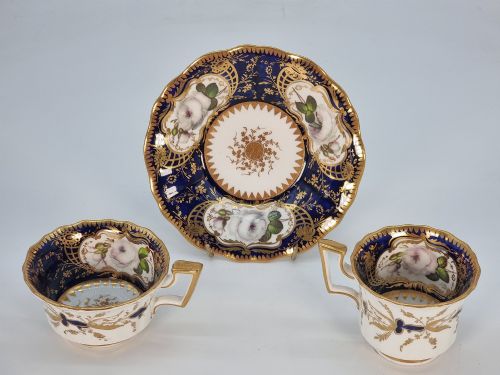
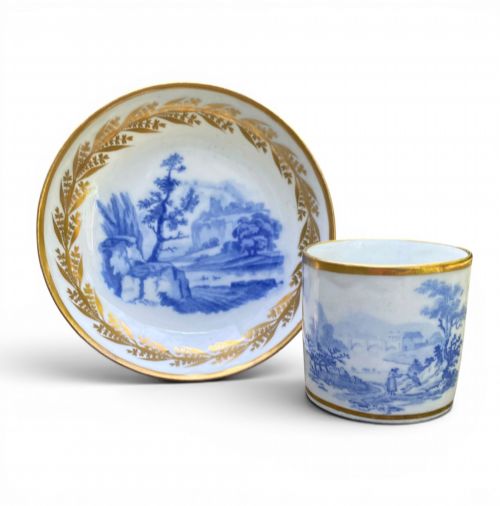
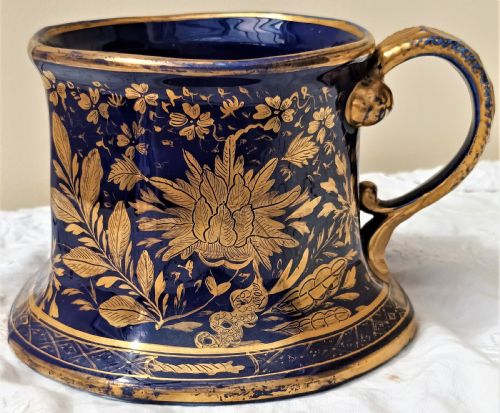
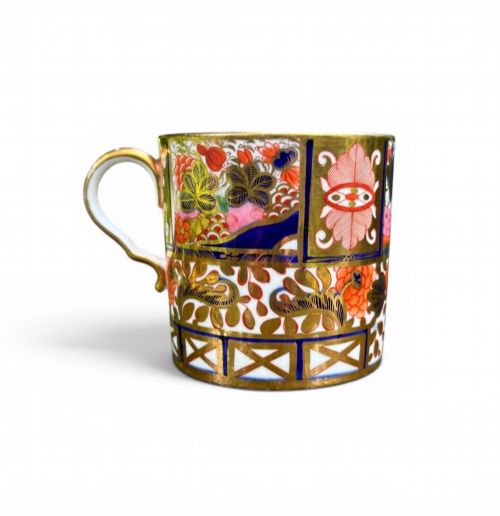
A gilded blue porcelain cup combines deep cobalt hues with brilliant gold leaf decoration, forming a distinct group within the wider world of antique ceramics. When you search for a gilded blue porcelain cup, you encounter forms ranging from morning coffee cans and chocolate cups with covers to delicate teacups and saucers.
The selection on this page spans several eras, drawing from Georgian, Regency, Victorian, and Edwardian periods. English factories such as Spode, New Hall, Coalport, and Worcester feature prominently alongside continental wares from Sèvres and Royal Vienna.
Most examples arrive as individual teacups, saucers, trios, or specialised drinking vessels rather than complete services. They reflect the changing social rituals of tea and chocolate drinking across the eighteenth and nineteenth centuries.
How they were made
Potters shaped these vessels using fine porcelain, bone china, or ironstone, throwing or moulding the clay before firing it to high temperatures. Artisans then applied underglaze blue or enamel colours to create the vibrant background tones characteristic of these drinking vessels.
Gilding was applied by hand using gold leaf, gold gilt, or gold gilding, which was subsequently fired and burnished to achieve a lasting metallic shine. Many pieces also incorporate handpainted motifs and detailed enamel work over the glazed surface.
Mug and beaker forms appear alongside traditional teacups, saucers, and chocolate cups from English and continental factories.
What varies in quality
Quality in these ceramics rests upon the crispness of the porcelain body and the precision of the handpainting. Superior examples display carefully executed cobalt grounds and meticulously burnished gold leaf that retains its depth and brilliance.
The sophistication of the form and the renown of the maker also elevate a piece. Cabinet cups with covers, image handles, or specialised shapes such as chocolate beakers require greater skill to produce than standard teacups.
Royal Crown Derby·H & R Daniel·Spode·New Hall·Coalport·John Rose·Mason·Derby·Grainger·Worcester·Sevres·Wedgwood·Royal Vienna·Minton·Thomas Steel·Royal Worcester·Barr flight Barr
The Gilded Blue Porcelain Cup Glossary
- Coffee can
- A straight-sided cylindrical cup used for drinking coffee during the Georgian and Regency periods. These pieces often lack handles and were designed to sit within a matching saucer.
- Chocolate cup
- A two-handled or covered vessel specifically designed for serving hot chocolate. They frequently appear with matching stands or saucers.
- Ironstone
- A heavy, durable ceramic paste patented in the early nineteenth century. It offered a robust alternative to soft-paste porcelain while retaining a smooth surface for decoration.
- Imari
- A decorative style inspired by Japanese export wares, featuring rich cobalt blue and iron red combined with extensive gilding. English factories adopted this palette widely during the Regency era.
- Cabinet trio
- A matched set comprising a teacup, coffee cup, and saucer intended for display in a cabinet rather than daily tea service.
Gilded Blue Porcelain Cup: Frequently Asked Questions
What is a coffee can?
A coffee can is a cylindrical, handleless cup designed for drinking coffee during the late eighteenth and early nineteenth centuries. They are typically taller and narrower than standard teacups.
These pieces were often produced as part of a trio alongside a teacup and saucer. Their straight sides allowed artists to showcase intricate cobalt and gilded patterns.
How do I identify a chocolate cup?
Chocolate cups are distinguished by having two small loop handles or by including a matching cover and stand. They were built to hold richer, heavier hot chocolate beverages.
Many surviving examples from the Regency period feature elaborate gilding and specialised forms designed for wealthy households.
What is ironstone?
Ironstone is a dense, durable type of earthenware patented in the early nineteenth century to withstand daily use. It provides a sturdy alternative to delicate porcelain.
Despite its strength, ironstone pieces often received the same decorative cobalt and gold treatment as fine porcelain.
Can I use these cups for tea?
These historical ceramics are generally intended for display, gentle collection, or careful handling rather than daily beverage consumption. The delicate gold leaf and enamel can wear down with frequent washing.
Enjoying them visually allows you to appreciate the handpainted details and historical craftsmanship safely.