


Unglazed Porcelain Figurine
An unglazed porcelain figurine captures form through pure matt surface rather than gloss glaze, offering collectors classical elegance and tactile detail.
Unglazed Porcelain Figurine
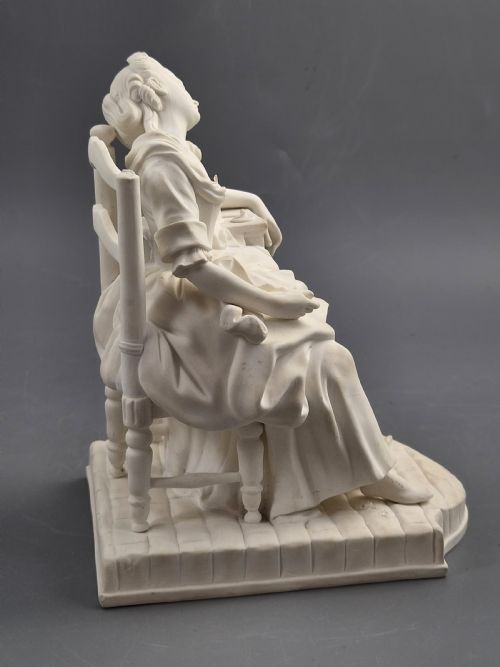
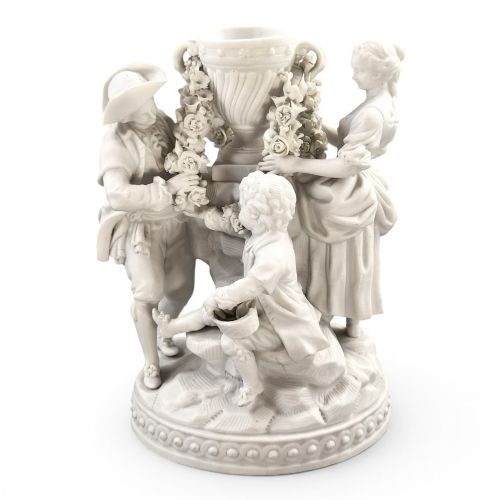
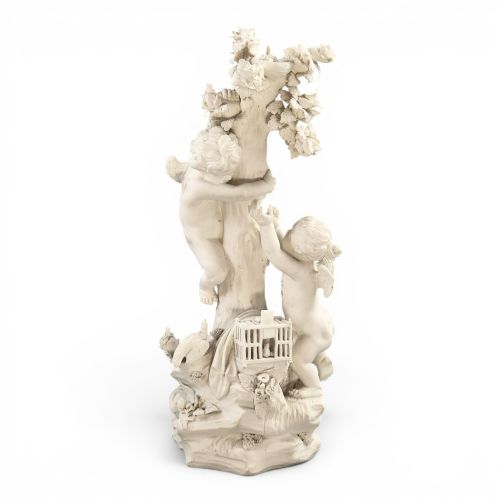
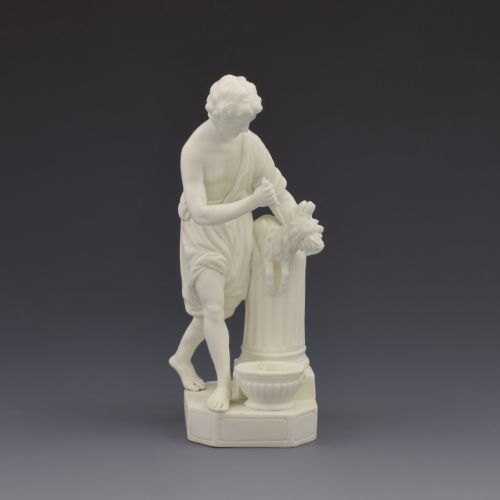
An unglazed porcelain figurine ranges from eighteenth-century Georgian figures to nineteenth-century Victorian pieces, taking the form of classical women, mythological groups, animals, and literary subjects. Collectors seeking an unglazed porcelain figurine will find examples modelled as single figures or multi-figure groups, produced by major factories across England and France.
The material appears under several historic names in the evidence, most notably biscuit porcelain, bisque porcelain, and Parian ware, alongside softer early ceramic bodies. Figures from Derby and Old Paris sit alongside later Victorian Parian pieces, demonstrating how different potteries shaped the unglazed medium over two centuries.
What varies in quality
The quality of the porcelain body itself determines the visual depth of the object, with finer pastes showing a subtle translucency or a smooth, even grain. Surface finishing also varies, where finer examples display careful hand-chasing after removal from the mould to eliminate seams.
Even a white pottery poodle from the nineteenth century deserves a dignified spot among the classical goddesses.
Derby·Minton·Copeland·Royal Worcester·Triebner Ens And Co
The Unglazed Porcelain Figurine Glossary
- Biscuit porcelain
- Porcelain fired once to high heat and left unglazed, producing a matt, porous surface that resembles marble. It is also frequently termed bisque porcelain in French and English inventories.
- Parian ware
- A fine-grained nineteenth-century British porcelain body developed to imitate carved white marble. It contains a high feldspar content which fuses during firing to give a dense, marble-like finish.
- Old Paris
- A term covering various independent porcelain workshops operating in and around Paris during the eighteenth and nineteenth centuries. These makers produced high-quality biscuit groups and figures without factory marks.
- Soft-paste porcelain
- An early artificial porcelain composition made from white clay and glass frit, fired at lower temperatures than hard-paste. It has a warmer tone and a slightly softer texture.
- Neoclassical
- A late eighteenth and nineteenth-century artistic style drawing inspiration from the classical art and architecture of ancient Greece and Rome. Figures in this style often depict classical deities and allegorical subjects.
Unglazed Porcelain Figurine: Frequently Asked Questions
How do I clean an unglazed porcelain figurine?
The porous nature of unglazed bisque and Parian porcelain means that traditional washing can draw dirt deeper into the clay body. A soft dry brush or a dry artist's sponge is generally safest for removing surface dust.
Avoid using water or liquid cleaners unless absolutely necessary, as they can stain the matt surface. Professional conservation is recommended for pieces with ingrained grime.
What is the difference between biscuit and Parian porcelain?
Biscuit porcelain is standard porcelain left unglazed after firing, used widely from the eighteenth century onwards for figures and portrait busts. It retains a porous, chalky texture.
Parian porcelain is a nineteenth-century body containing higher feldspar content, which vitrifies during firing to create a heavier, denser material that closely mimics carved marble.
Why are some figures marked while others are unmarked?
Many eighteenth-century and nineteenth-century figures left the factory without ink or impressed marks, relying instead on model numbers, incised initials, or distinct paste characteristics for attribution. Major manufacturers like Derby and Copeland frequently used impressed numbers or factory ciphers, but smaller French workshops often left pieces entirely unsigned.
Absence of a mark does not diminish the quality of modelling, as many unmarked pieces reflect skilled studio production of the period.
How can I tell an eighteenth-century figure from a Victorian one?
Eighteenth-century figures, such as those from Derby, typically use soft-paste porcelain bodies that show a warm, creamy tone under light and feature delicate, expressive hand-modelling. They often depict rococo or early neoclassical subjects with distinct glaze pooling on the unglazed undersides.
Victorian pieces, particularly Parian ware from the mid-nineteenth century onwards, utilise harder, heavier bodies designed to imitate marble and frequently feature classical literary subjects or domestic genre scenes with sharp, machine-pressed precision.