


Antique Bone China Vase
An antique bone china vase brings cabinet-shelf elegance to a room, offering hand-painted scenes and gilded details from centuries of British kilns.
Antique Bone China Vase
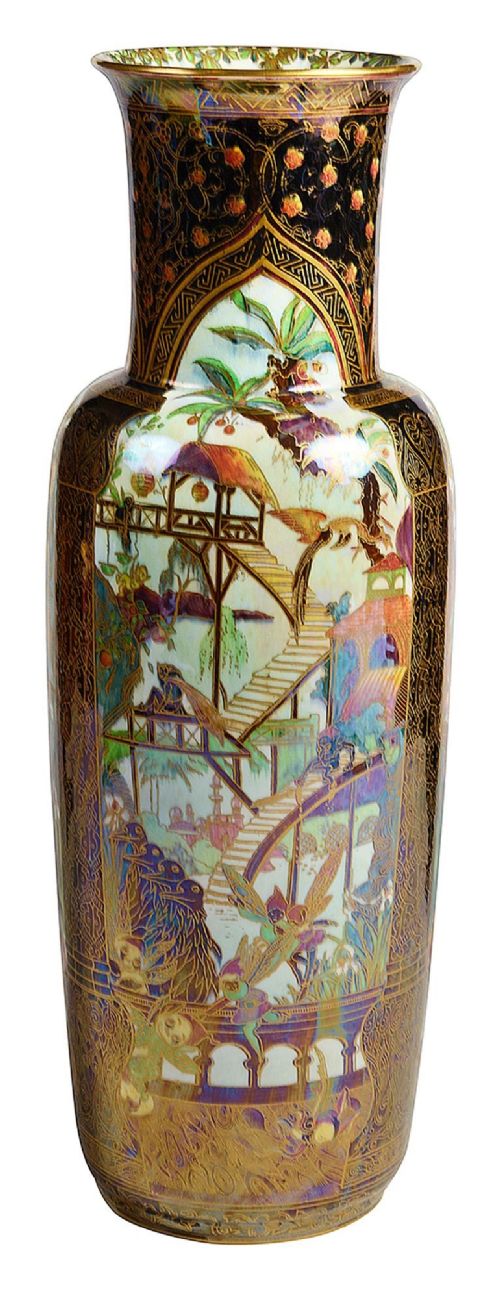
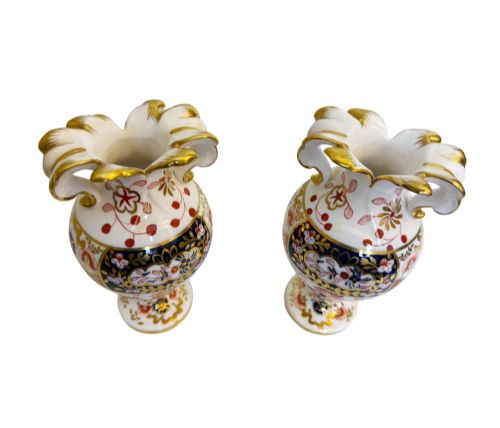
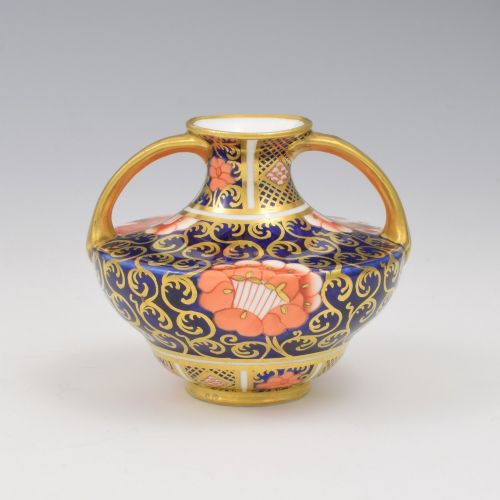
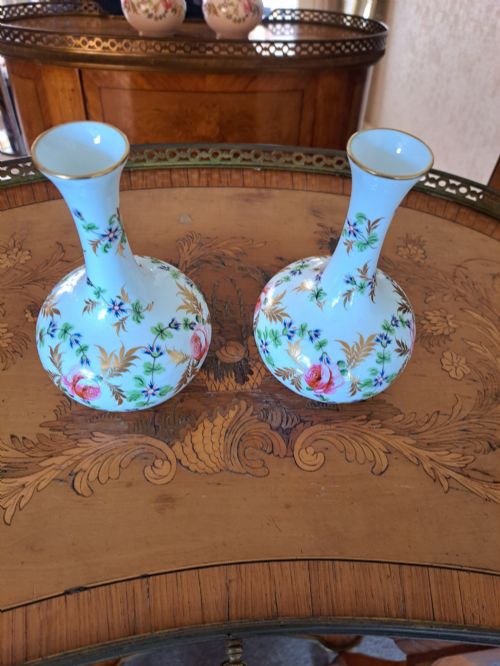
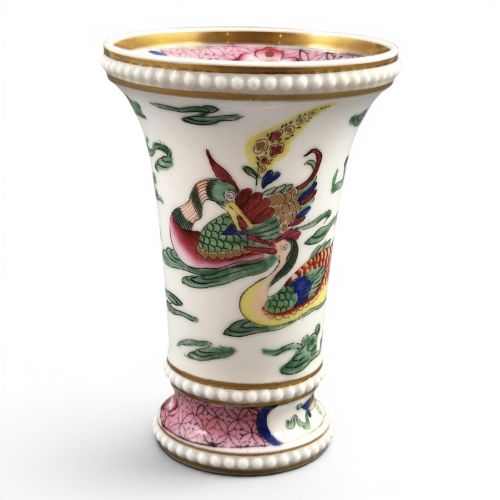
You are most likely to meet pieces decorated with painted fruit, birds, highland cattle, and sheep, alongside classic Imari patterns. Forms range from miniature bud vases to large twin-handled pieces designed for display on mantelpieces and side tables.
The objects reflect the output of major English ceramic manufacturers operating through the eighteen-hundreds and into the mid-twentieth century. Many examples bear the signatures of notable artists who specialised in hand-painted naturalistic scenes upon porcelain bodies.
How they were made
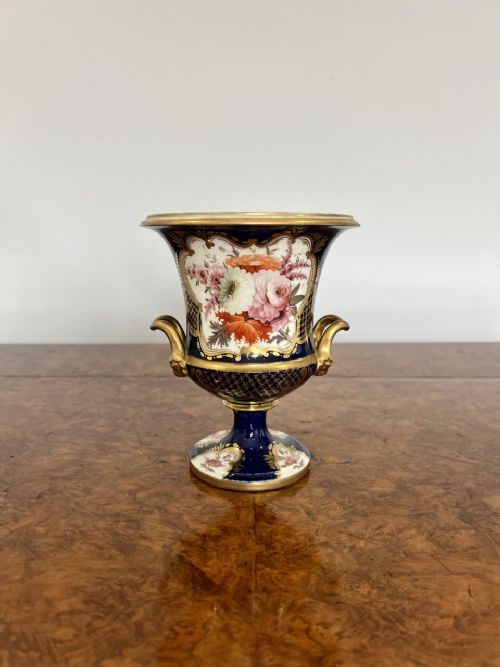
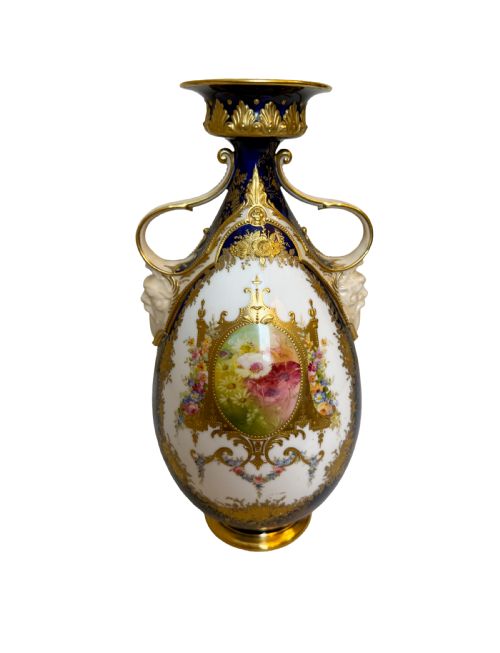
Makers utilised fine bone china and porcelain as the foundational body for these vessels, shaping them into urns, ewers, and spill vases. Potters then applied enamel colours by hand to depict birds, cattle, fruit, and floral motifs.
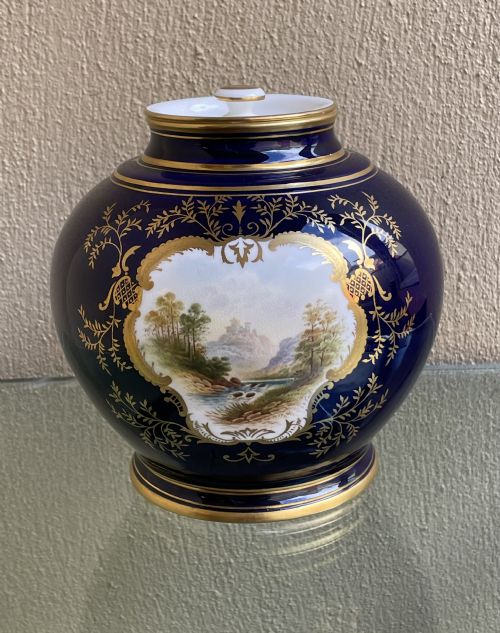
Artisans integrated gold leaf, gilt, and gilding to accentuate handles, rims, and panels. Skilled painters signed their work directly onto the ceramic surface before a final kiln firing fixed the pigments.
Painters recorded highland cattle and sheep upon these tiny ceramic canvases with astonishing brushwork.
What varies in quality
Quality rests upon the skill of the hand painting and the prestige of the maker recorded on the base. Pieces bearing the signatures of known artists command greater attention than standard factory output.
The precision of the gilding and the delicacy of the porcelain body separate standard production runs from masterworks. Intricate subject matter, such as detailed figures or landscapes, indicates higher workshop standards.
Royal Worcester·Royal Crown Derby·Spode·Coalport·Wedgwood·Royal Doulton
The Antique Bone China Vase Glossary
- Bone china
- A type of soft-paste porcelain containing bone ash, developed in England to create a strong, white ceramic body. This material allows for thin-walled vessels that retain translucency.
- Imari
- A decorative style inspired by Japanese export wares, characterised by a palette of cobalt blue, iron red, and gold. English potteries adopted this aesthetic heavily during the nineteenth century.
- Spill vase
- A tall, narrow vessel designed to hold slender wooden spills used for lighting candles or fires. These items sat on mantelpieces before the invention of safety matches.
- Pot pourri
- A covered vase or jar pierced with holes to release the scent of dried flowers and spices placed within. These decorative containers were common in period drawing rooms.
- Gilt
- A thin layer of gold applied to the surface of the ceramic to highlight rims, handles, and borders. This application adds a reflective finish to the piece.
Antique Bone China Vase: Frequently Asked Questions
Were these vases used for flowers?
Many vessels served purely as decorative mantelpiece ornaments rather than functional water holders. Spill vases and miniature bud vases were intended for specific household tasks or cabinet display.
Check the interior for water staining to determine past practical use. Most fine painted pieces were valued more for their artistic display than flower arrangement.
How do I identify the maker?
Turn the piece over to examine the base for factory stamps, printed marks, and impressed ciphers. These symbols often indicate the exact operating period and pottery.
Artist signatures, written by hand in paint or enamel, appear near the base of the scene. Cross-reference these monograms with factory registry records to confirm attribution.
What is blush ivory?
Blush ivory refers to a soft, matte cream-coloured ceramic ground developed by Victorian potteries. It provides a warm background for hand-painted floral and animal subjects.
This finish became popular during the late nineteenth century, particularly on decorative pieces from major English manufacturers. The subtle tone enhances the delicate nature of the painted details.