


Vintage Wedgwood Lustreware
Vintage wedgwood lustreware brings together iridescent glazes and intricate mythical motifs, offering collectors striking ceramics from the early twentieth century.
Vintage Wedgwood Lustreware
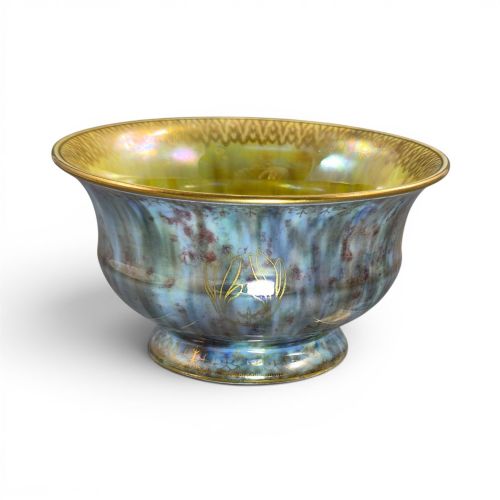
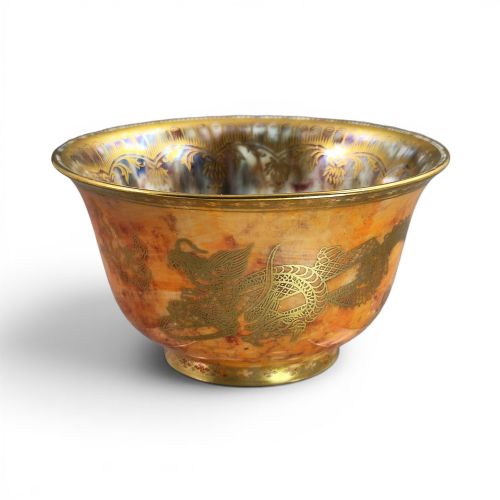
When searching for vintage wedgwood lustreware, you encounter pieces primarily originating from the Edwardian period and the decades spanning 1900 to 1920. These ceramics take forms such as decorative bowls, vases, jugs, and miniature cups.
How they were made
The creation of these ceramics relies on bone china and porcelain bodies finished with specialised lustre glazes. Artisans applied enamel, gold leaf, and gilt details to achieve shimmering, iridescent surface effects.
Techniques combine traditional throwing and moulding with meticulous hand-painting of intricate scenes and patterns. Firing processes fix the metallic lustre and enamel colours onto the glaze.
Listings demonstrate forms spanning decorative bowls, vases, jugs, and miniature cups created during the Edwardian era and the 1910 and 1920 decades.
What varies in quality
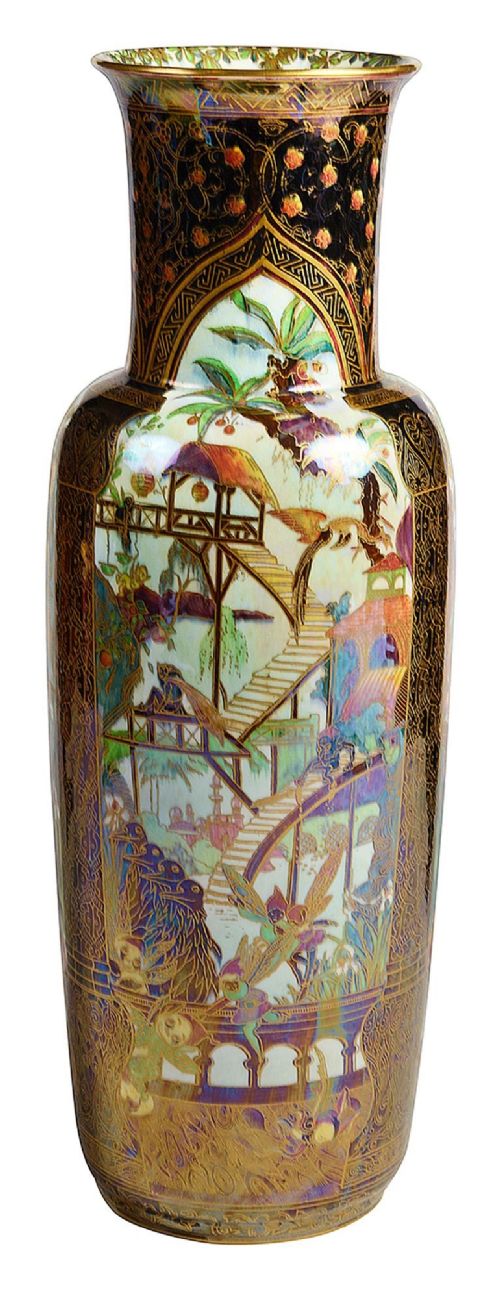
Quality differences stem from the complexity of the design and the richness of the lustre glaze. Pieces featuring elaborate pictorial scenes such as Fairyland motifs command greater visual depth than simpler mottled finishes.
The precision of the gilding and the clarity of the enamel work dictate the overall refinement of each item. Hand-painted details executed with high definition represent the upper tier of production.
Daisy Makeig Jones·James Hodgkiss·Wedgwood
The Vintage Wedgwood Lustreware Glossary
- Lustre Glaze
- A type of ceramic glaze containing metallic oxides that produce an iridescent, pearl-like sheen upon firing. This finish creates the signature glowing surface characteristic of these wares.
- Bone China
- A type of soft-paste porcelain incorporating animal bone ash, resulting in high strength and whiteness. It provides a smooth white base for vibrant enamel painting.
- Gilt
- A thin layer of gold applied to the surface of the ceramic for decoration. It highlights rims, handles, and specific design elements.
- Octagonal Bowl
- A vessel featuring eight distinct sides rather than a standard circular profile. This geometric form appears frequently in dragon and phoenix pattern pieces.
- Enamel
- Opaque glass-like paint applied over the glaze and fired to permanent hardness. It delivers the intense colours seen in mythical and natural motifs.
Vintage Wedgwood Lustreware: Frequently Asked Questions
What is fairyland lustre?
Fairyland lustre refers to a specific range of fantastical designs created by Daisy Makeig-Jones, featuring gnomes, fairies, and mythical creatures.
These pieces utilise rich colour palettes and extensive gilt detailing to build elaborate storytelling scenes across the ceramic surface.
How do I date these pieces?
Dating relies on recorded production eras, primarily spanning the Edwardian period through the 1920s, alongside specific pattern numbers.
Maker marks and known active years for designers like Daisy Makeig-Jones provide further chronological context for individual items.
What forms are most common?
Decorative bowls represent the most prevalent form, appearing in round and octagonal shapes alongside various sizes from miniature to large display pieces.
Vases, jugs, and small cups also feature across the available selections.
How should I clean lustreware?
Dusting gently with a soft dry cloth maintains the surface without risking the delicate enamel and gilt decorations.
Avoid harsh abrasives, soaking, or chemical cleaners to preserve the integrity of the metallic glaze.