

Antique Gilt Bowl
An antique gilt bowl brings rich metallic warmth and decorative presence to a table, spanning centuries of fine metalwork and porcelain.
Antique Gilt Bowl
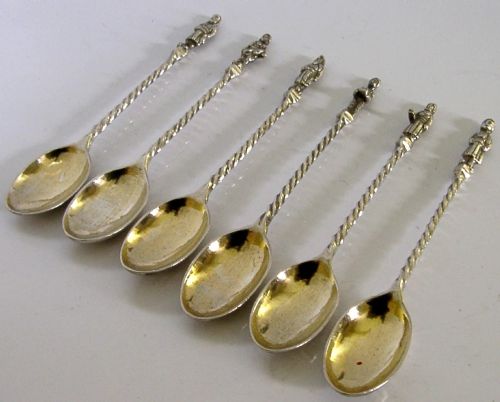
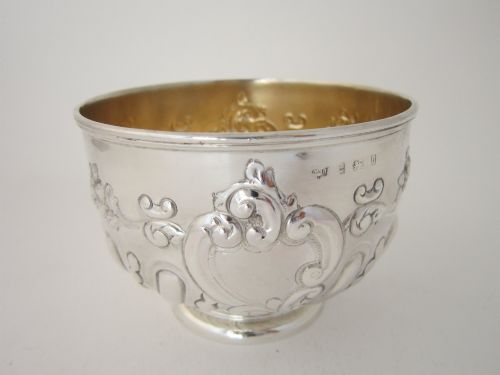
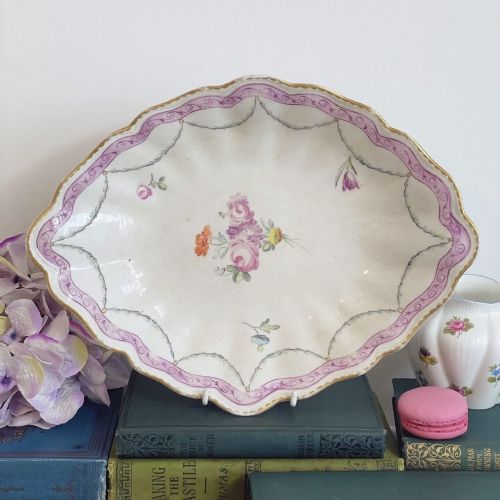
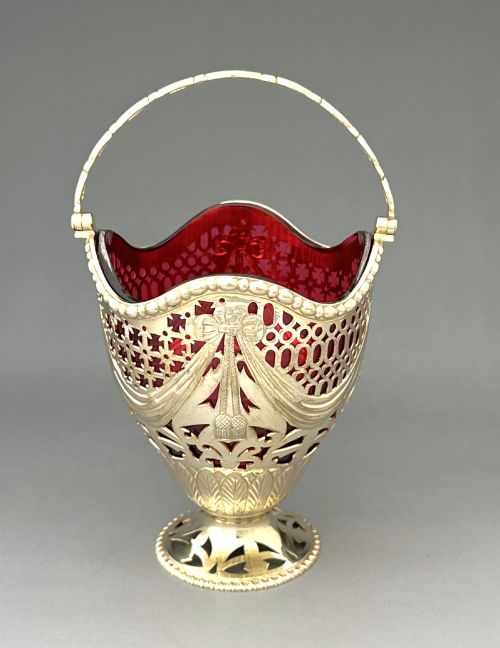
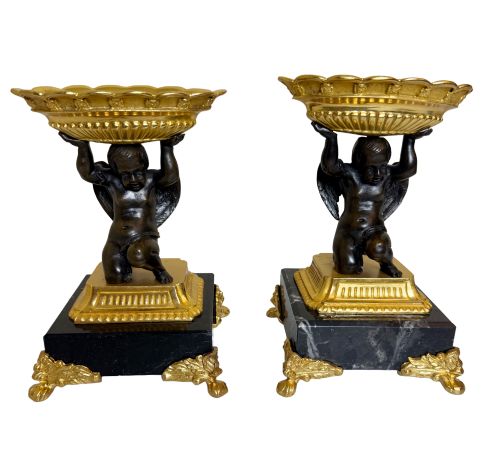
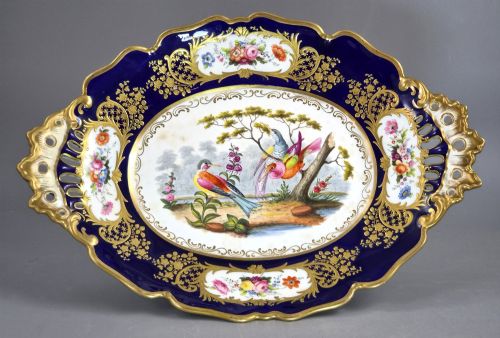
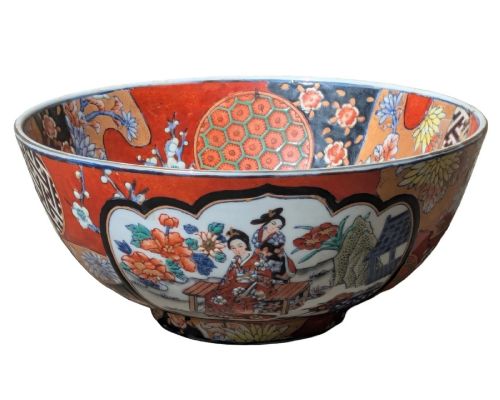
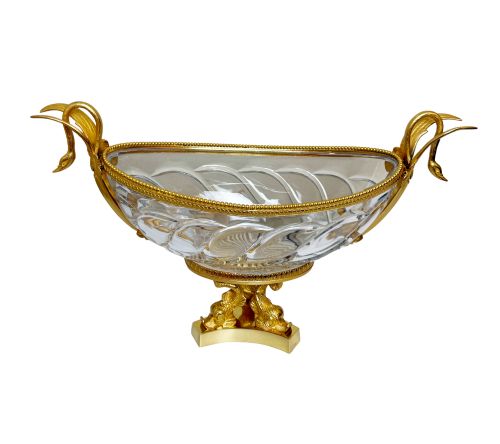
When searching for an antique gilt bowl, collectors encounter a diverse array of vessels designed for display, dining, and service. The selection ranges from nineteenth-century French bronze and crystal centrepieces to eighteenth-century porcelain dishes and solid silver gilt bowls.
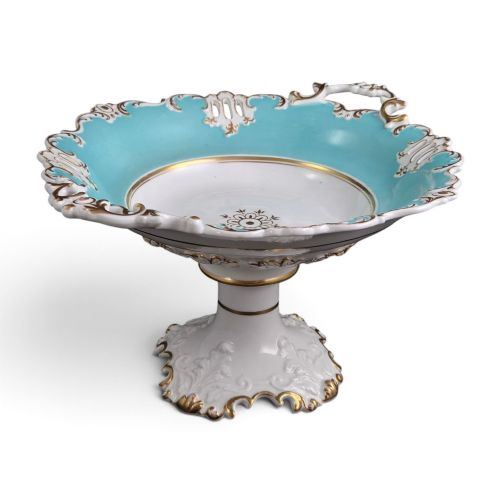
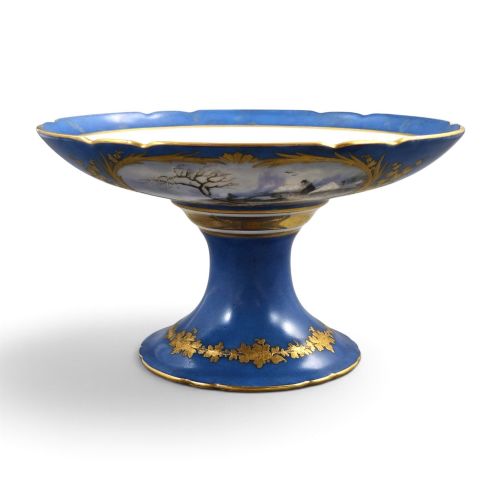
The versions most commonly met on this page include Victorian porcelain tazzas, Edwardian cabinet dishes, and heavy silver gilt presentation bowls from various European workshops. These objects bridge decorative arts and functional table service, often reflecting revival styles such as Rococo, Empire, and Regency.
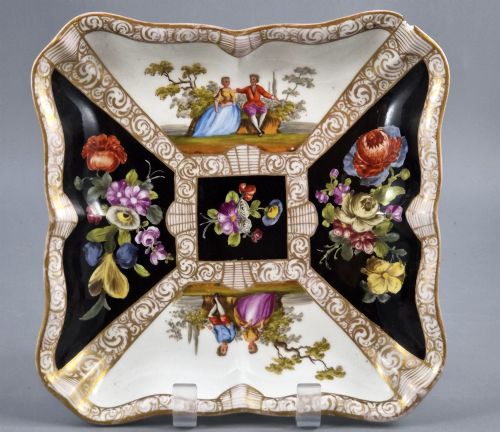
Origins span English earthenware and bone china factories, continental porcelain centres like Meissen and Sèvres, and silversmiths working across London and Moscow. Each piece carries the distinct aesthetic priorities of its period, whether the floral handpainting of the eighteenth century or the structured symmetry of the Victorian era.
Materials and Techniques
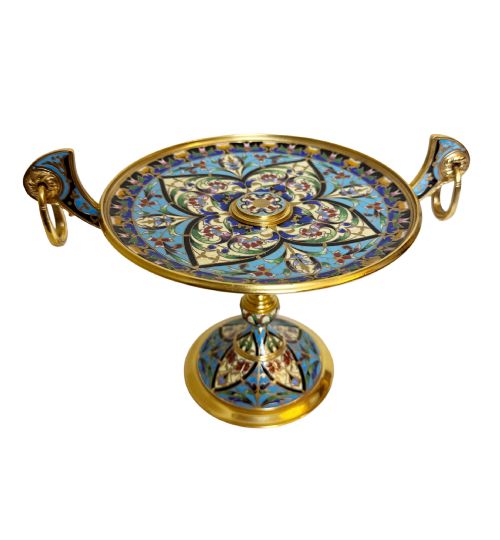
The construction of these vessels relies heavily on the combination of a base material - such as porcelain, cut crystal, brass, or sterling silver - with applied gold leaf, electroplating, or mercury gilding. Gilt bronze, often termed ormolu, provides a weighty and resilient foundation for elaborate nineteenth-century centrepieces and tazzas.
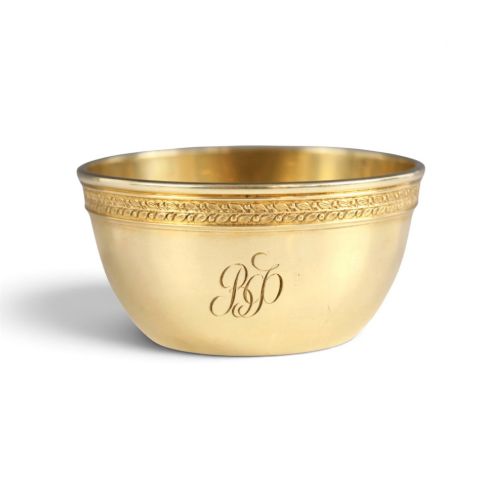
Ceramic pieces utilise hard-paste or bone china bodies, decorated with handpainted polychrome enamels, cobalt grounds, and detailed gilding that required multiple firings in kiln heat. Silver gilt items involve the application of a thin layer of gold over solid silver, frequently enhanced by chasing, engraving, and champlevé enamel work.
Periods represented include 18th Century, Victorian, Edwardian, and 19th Century French Empire.
Assessing Quality
Quality in these vessels reveals itself through the crispness of the casting in bronze and ormolu mounts, or the precision and depth of the handpainting on porcelain surfaces. Superior examples demonstrate a careful balance between the gilt ornamentation and the underlying material, avoiding heavy-handed application that obscures fine detail.
The integrity of the gilding and the preservation of original surfaces heavily influence the standing of a piece. Master craftsmen employed superior amalgamation techniques in early periods, resulting in a durable, deep lustre that contrasts with the flatter finish of later industrial methods.
Coalport·Meissen·Sèvres·Spode·Royal Doulton·Wedgwood·Fabergé
The Antique Gilt Bowl Glossary
- Tazza
- An Italian term for a shallow saucer-like dish mounted on a stem and foot, frequently utilised as a centrepiece or decorative fruit stand.
- Ormolu
- A metallic technique involving the application of a finely ground, high-carat gold-mercury amalgam to a bronze object, popular in French decorative arts.
- Champlevé
- An enamelling technique where troughs or cells are carved into the surface of a metal object and filled with vitreous enamel before firing.
- Sucrier
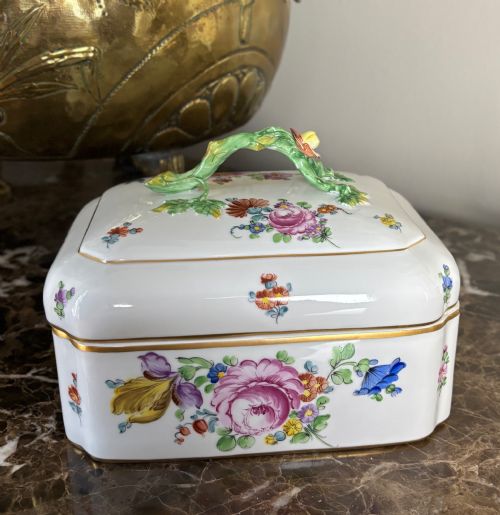
- A small covered vessel designed specifically for holding sugar, common in nineteenth-century porcelain and silver tea services.
- Kovsh
- A traditional Russian vessel featuring a boat-like hull and a single flat handle, often executed in solid silver with polychrome cloisonné or champlevé enamel.
Antique Gilt Bowl: Frequently Asked Questions
What is an antique gilt bowl used for?
These vessels historically served functional roles on the dining table for sugar, fruit, sweetmeats, or salt, while larger centrepieces dominated sideboard displays during formal meals.
Today, collectors utilise them primarily as decorative objects of display, placing them on tables or cabinets to showcase their craftsmanship and metallic warmth.
How do I clean a gilt bowl?
Cleaning requires extreme caution to avoid wearing away the delicate gold leaf, ormolu, or surface gilding accumulated over the centuries.
Dusting with a soft, dry cloth is generally sufficient, and moisture or chemical cleaners must be avoided unless handled by a professional conservator.
How do I tell porcelain from silver gilt?
Porcelain pieces present a ceramic body beneath the glaze and gilding, often featuring handpainted floral or landscape scenes typical of factories like Meissen or Coalport.
Silver gilt items consist of a solid metal foundation stamped with hallmarks indicating the metal purity and assay office, combined with chased or engraved ornamentation.
What periods do these bowls come from?
The selection spans multiple centuries, with notable representation from the eighteenth, nineteenth, and early twentieth centuries.
Pieces frequently reflect specific design revivals, ranging from Georgian and Regency eras through Victorian and Edwardian aesthetics.