



Edwardian Porcelain Bowl
When you search for an edwardian porcelain bowl, you discover domestic vessels and display pieces shaped by international influences and traditional English craftsmanship.
Edwardian Porcelain Bowl
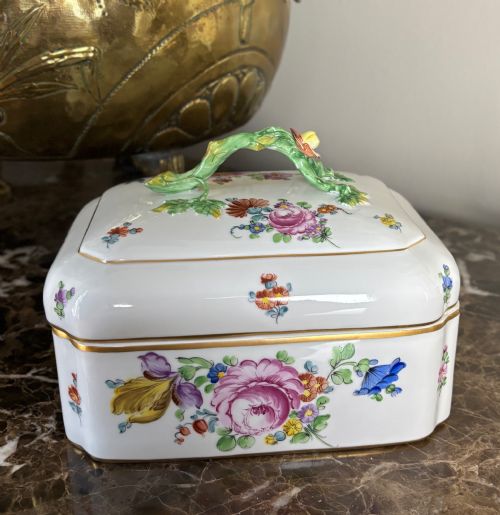
An edwardian porcelain bowl encompasses a variety of forms designed for both utility and ornamentation in the home. The selection ranges from decorative table centrepieces and cabinet dishes to sugar boxes and miniature bowls.
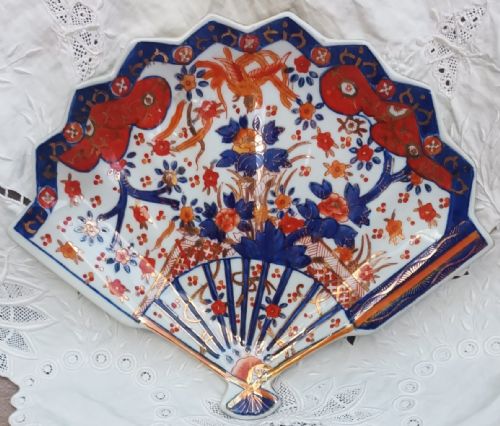
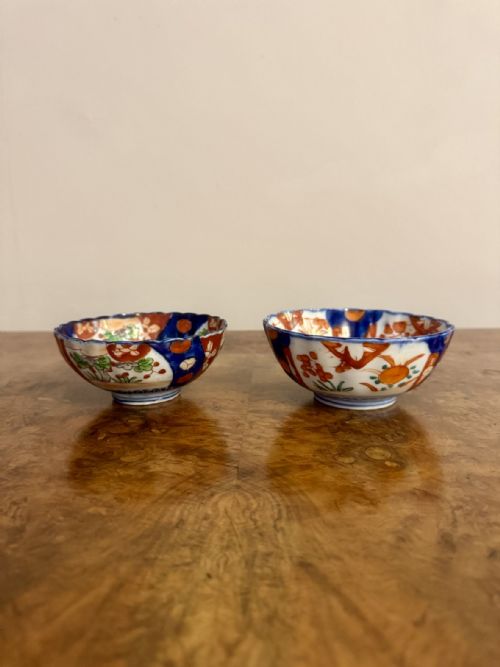
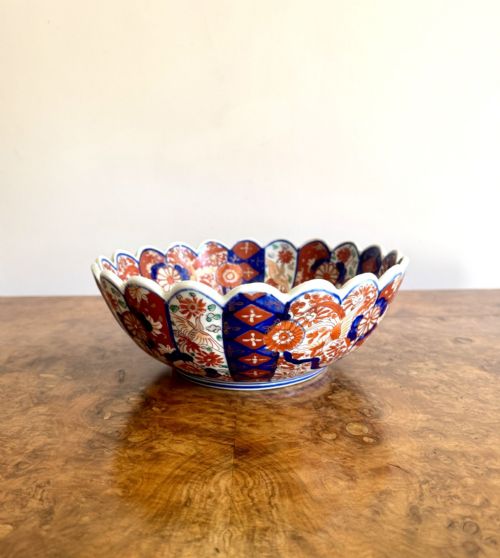
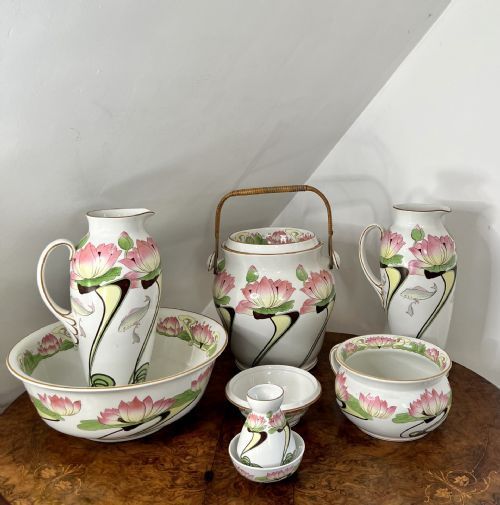
Many examples reflect the aesthetic tastes of the early twentieth century, incorporating styles such as Art Nouveau, traditional English decoration, and Japanese Imari influences. These items served as focal points in drawing rooms and dining spaces during the Edwardian era.
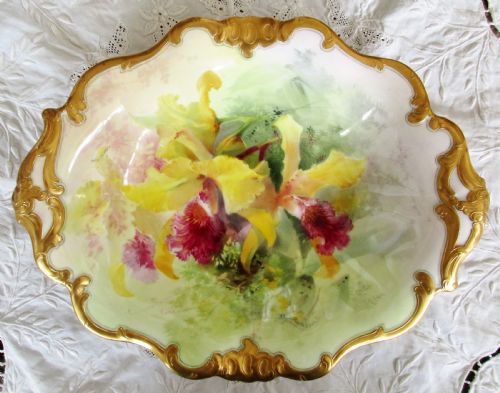
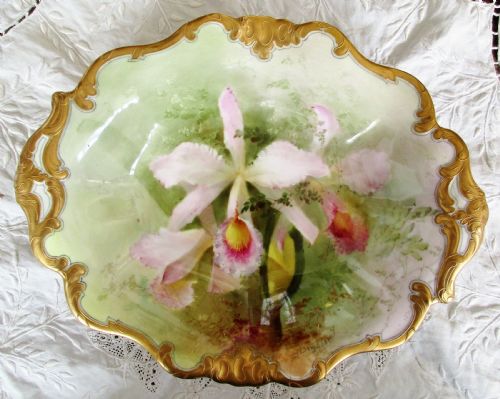
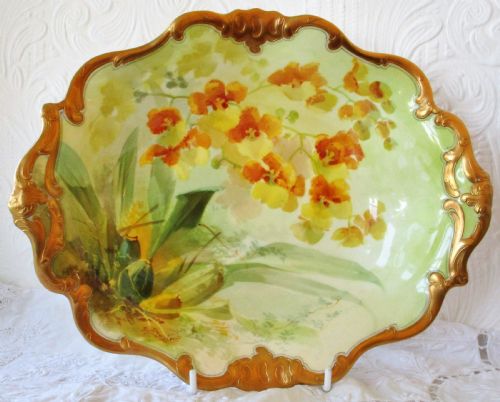
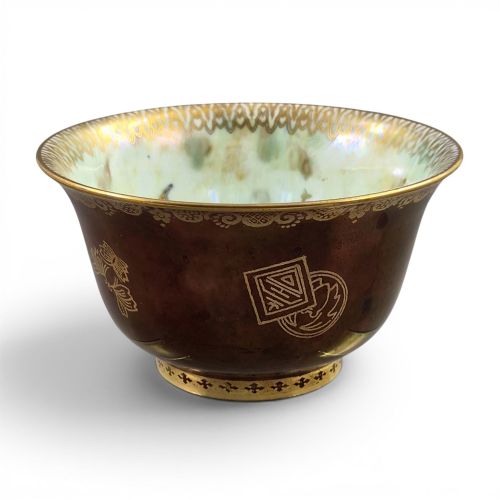
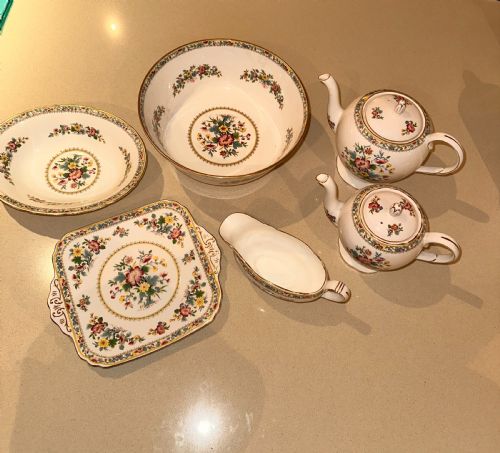
Makers from this period utilised fine ceramic bodies, often decorated with hand-painted motifs, gilding, or specialised glazes. Buyers encounter both British factory productions and imported wares that found a ready market in British homes.
How they were made
Potters shaped porcelain and bone china bodies using traditional moulding and throwing techniques before applying white or tinted glazes. These pieces were often fired multiple times to set complex surface decorations.
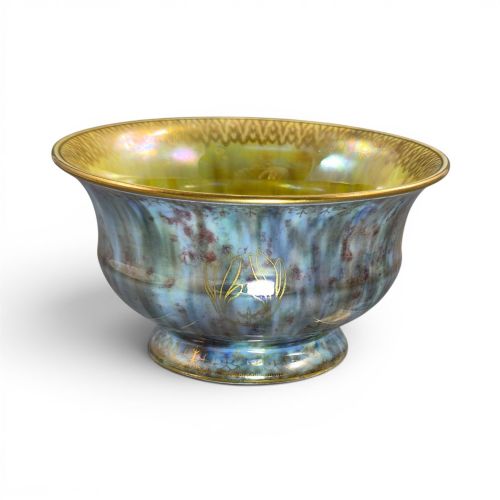
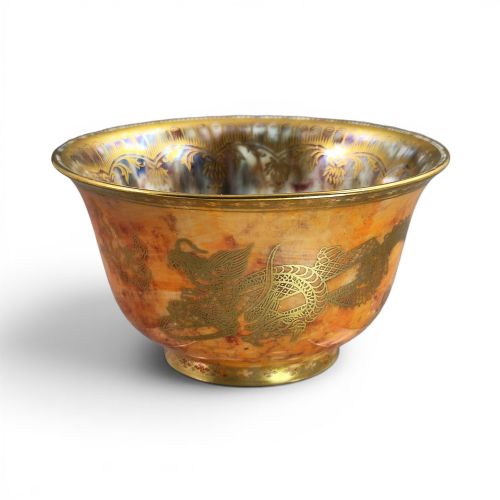
Decoration relied heavily on hand-painted enamel colours and gold leaf application. Artisans also utilised lustre glazes to create iridescent surface effects that caught the light on cabinet dishes and centrepieces.
A sturdy ceramic mortar and pestle sits among the delicate bowls, ready for heavy-duty Edwardian apothecary work.
What varies in quality
The standard of painting on the ceramic surface distinguishes simpler domestic wares from high-end cabinet pieces. Detailed hand-painted botanical studies or complex mythological scenes executed by named designers represent the upper tier of production.
The application of gilding and the depth of the glaze also indicate the tier of the piece. Thick, rich lustre glazes and heavy gold leaf detailing point to skilled studio work rather than standard factory output.
Royal Doulton·Royal Crown Derby·Royal Worcester·Wedgwood·Grainger and Co·Schierholz
The Edwardian Porcelain Bowl Glossary
- Porcelain
- A hard, white, translucent ceramic fired at high temperatures. It forms the base body for fine tableware and decorative bowls from the period.
- Lustre Glaze
- A metallic glaze finish that creates an iridescent sheen on the ceramic surface. It was favoured by designers to produce shimmering effects on decorative bowls.
- Bone China
- A type of porcelain incorporating bone ash, known for its high strength and milky white appearance. It was widely utilised by English potteries.
- Cabinet Dish
- A decorative plate or bowl intended for display in a cabinet rather than for serving food. These pieces typically feature detailed hand-painted scenes.
- Imari
- A traditional Japanese style of ceramic decoration featuring deep blues, iron reds, and gold. British and Japanese makers produced wares in this distinct aesthetic during the period.
Edwardian Porcelain Bowl: Frequently Asked Questions
What is an edwardian porcelain bowl used for?
These vessels were created for various domestic purposes, ranging from holding sugar on the dining table to serving as decorative centrepieces in the home.
Cabinet dishes and ornamental bowls were primarily intended for display, showcasing the intricate painting and glazing skills of the period.
How do I care for antique porcelain?
Antique porcelain requires gentle handling and should be washed by hand in lukewarm water using mild soap when necessary.
Avoid placing gilded or lustre-glazed pieces in dishwashers, as harsh detergents and heat will damage the delicate metallic surfaces.
How can I tell the period of a bowl?
Dating relies on maker marks stamped or painted on the base of the ceramic body, which often correspond to specific factory registration years.
Stylistic elements like Art Nouveau curves or specific lustre glaze formulas also help place a piece within the Edwardian timeframe.
Are Japanese designs common on these pieces?
Potters frequently drew inspiration from Japanese Meiji period aesthetics, producing wares decorated in the Imari palette of blue, red, and gold.
These cross-cultural designs were immensely popular in British households during the early twentieth century.