


Orange Lustreware Bowl
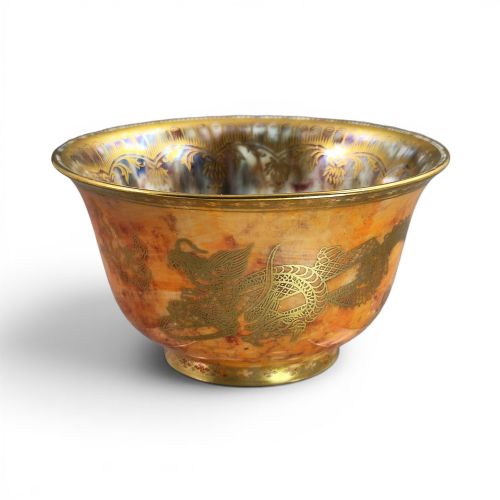
An orange lustreware bowl brings an intense metallic sheen to a room, catching the light with copper and gold tones.
Orange Lustreware Bowl
When you search for an orange lustreware bowl, you are looking at decorative vessels finished with metallic glazes that catch and reflect the light. These pieces span the nineteenth century into the twentieth century, covering Victorian, Edwardian, Art Nouveau, and Art Deco periods.
The most common examples on this page are earthenware and bone china bowls designed by Daisy Makeig-Jones for Wedgwood around nineteen fifteen. They feature vibrant mottled orange grounds paired with intricate butterfly, fairyland, and geometric patterns.
How they were made
Makers shaped these bowls from earthenware, bone china, and porcelain before applying base colours and metallic glazes. The distinctive finish relies on chemical interactions during firing to create the signature iridescent surface.
Painters added surface details using gold leaf and enamel paints over the glaze. This required multiple kiln firings to fix the metallic sheen and the colourful transfer or hand-painted motifs.
Fairyland butterflies refuse to sit still, dancing across bright orange glaze designed to trick the eye.
What varies in quality
The refinement of the painted transfer and the precision of the gilding set the standard for these bowls. Stronger examples display crisp detail in complex motifs like butterflies and fairyland scenes against the orange ground.
The depth and uniformity of the lustre glaze itself also determine the calibre of a piece. Rich, even metallic iridescence separates the finest output from simpler, flatter glazes.
Wedgwood·Daisy Makeig-Jones
The Orange Lustreware Bowl Glossary
- Lustre Glaze
- A type of ceramic finish containing metallic salts that produce an iridescent sheen when fired in a reduced oxygen kiln. This technique creates the reflective metallic surface characteristic of these bowls.
- Bone China
- A type of soft-paste porcelain containing bone ash, known for its high strength, chip resistance, and translucent body. Wedgwood utilised this material for many of their fine decorative bowls.
- Gilding
- The application of gold leaf or gold paint to the surface of ceramics for decoration. It is often used to highlight rims, handles, and intricate pattern work.
- Earthenware
- Porous pottery fired at lower temperatures than stoneware or porcelain, requiring a glaze to become waterproof. It serves as the sturdy body for several nineteenth-century pieces on this page.
Orange Lustreware Bowl: Frequently Asked Questions
What is an orange lustreware bowl?
An orange lustreware bowl is a ceramic vessel finished with a metallic glaze that creates an iridescent, shiny surface. These pieces often feature bright orange backgrounds decorated with intricate patterns.
They emerged from periods spanning the nineteenth century through the Edwardian era and the nineteen twenties. Collectors prize them for their vibrant colours and reflective finishes.
How do I date an orange lustreware bowl?
Dating these bowls involves examining the backstamps, ceramic bodies, and stylistic markers associated with specific periods. Pieces from the nineteen tens often bear specific Wedgwood marks and designer signatures.
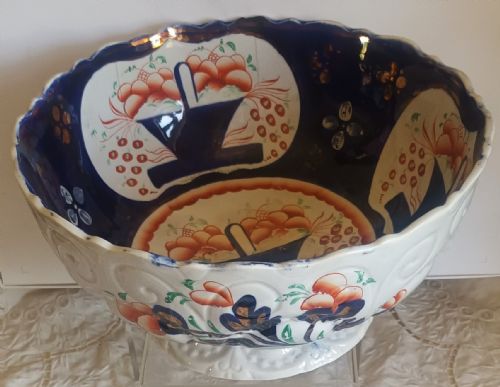
Victorian examples tend to use heavier earthenware bodies and traditional patterns like Gaudy Welsh. Comparing the glaze style and motifs helps narrow down the decade of production.
How were these bowls used?
These bowls served primarily as decorative items for display on tables, sideboards, and mantelpieces rather than for daily dining use. Their reflective metallic glazes were intended to catch the light in formal rooms.
Smaller miniature bowls and footed vessels offered versatile display options for cabinets and surfaces. Their intricate designs made them conversation pieces in Edwardian and Art Deco interiors.
How do I clean an orange lustreware bowl?
Cleaning requires gentle dusting with a soft, dry cloth to protect the delicate metallic glaze and gold leaf highlights. Avoid soaking these bowls in water or using abrasive cleaning agents.
Harsh scrubbing can wear away the thin iridescent layer and surface gilding. Maintaining them dry preserves the original sheen of the lustre finish.