


1920s Art Deco Ceramics
These 1920s art deco ceramics bring geometric vigour and rich glaze effects into domestic spaces.
1920s Art Deco Ceramics
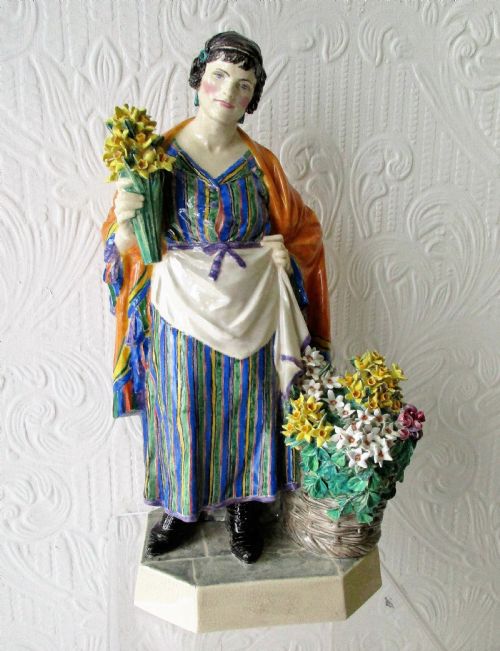
When searching for 1920s art deco ceramics, collectors encounter a diverse range of objects spanning vases, bowls, table lamps, trinket boxes, and figural sculptures. These pieces embody the aesthetic shifts of the early twentieth century, capturing the transition from Edwardian traditions into bold modernist idioms.
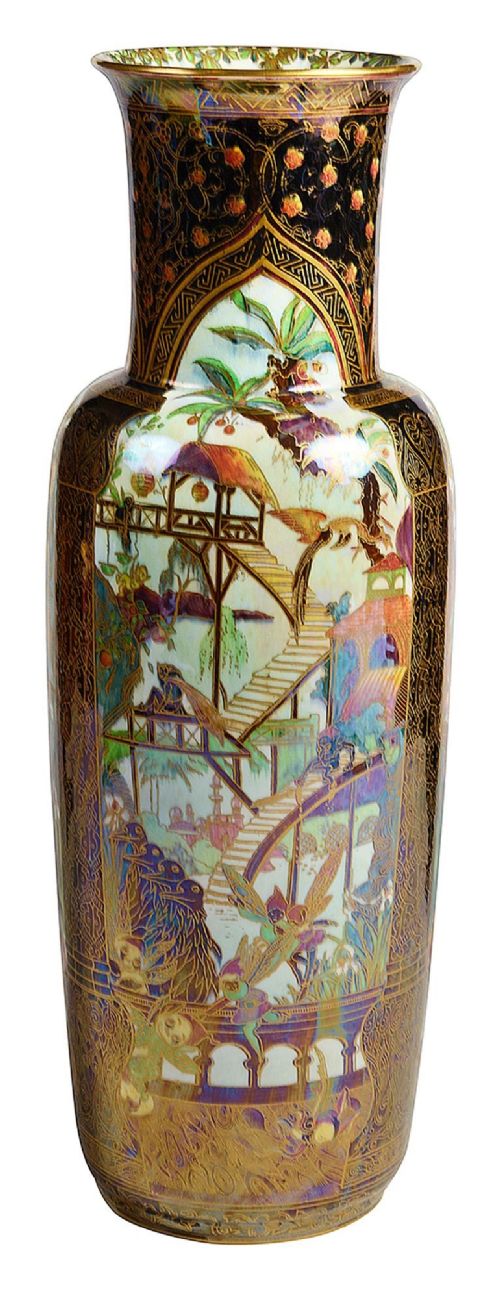
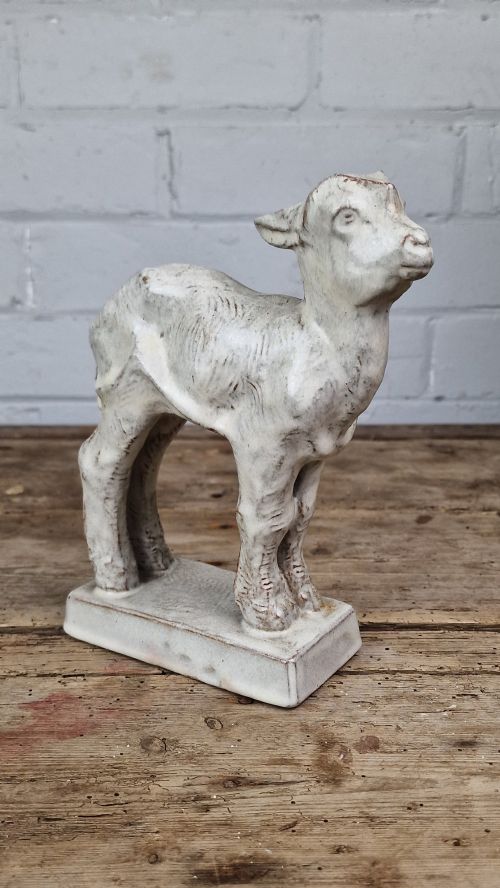
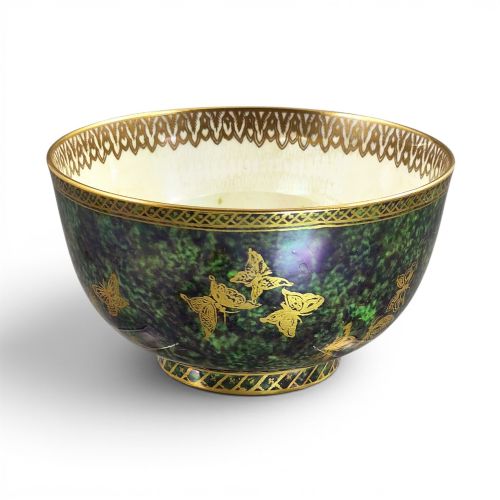
The selection frequently includes English and continental works, from vibrant lustre bowls to utilitarian tea sets and sculptural ornaments. Makers applied stylised animal motifs, geometric patterns, and figures such as flapper girls to functional and decorative forms alike.
How they were made
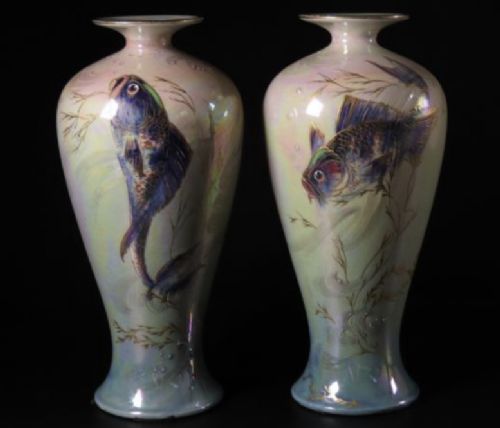
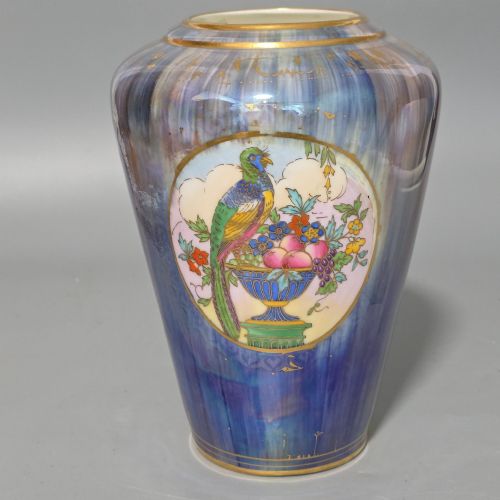
Potters shaped these objects from earthenware, porcelain, and terracotta, utilising traditional throwing and moulding techniques to achieve distinct silhouettes. Surface decoration relied heavily on specialised glazing methods, including lustre finishes that produced iridescent metallic sheens.
Makers applied hand enamelling and gold leaf details over fired ceramic bodies, sometimes incorporating intricate Chinoiserie scenes or bold monochrome backgrounds. The application of these glazes required precise kiln temperature control to secure the desired chemical reactions and colour depth.
Glaze chemists occasionally discovered iridescent lustre effects entirely by accident when kiln flames misbehaved during firing.
What varies in quality
Quality in these ceramics rests upon the ambition of the design and the technical execution of the glaze. Works featuring complex lustre effects or detailed hand painting by known designers stand apart from standard mass-produced items.
The crispness of the moulding and the depth of the enamel work dictate the visual success of figurative pieces and vases. Superior pieces maintain balanced proportions and a harmonious integration between form and surface decoration.
Daisy Makeig Jones·Walter Slater·Charles Vyse·Robert T Lallement·Richard Joyce
The 1920s Art Deco Ceramics Glossary
- Lustre glaze
- A type of ceramic glaze containing metallic oxides that produce an iridescent, reflective sheen when fired in a reduced oxygen atmosphere. This technique creates shimmering colour shifts across the surface of vases and bowls.
- Earthenware
- A porous pottery body fired at lower temperatures than porcelain or stoneware, requiring an impermeable glaze to hold liquids. It served as the foundation for many decorative figures and table vessels.
- Chinoiserie
- A European artistic style that reflects Chinese aesthetic influences, often featuring stylised landscapes, dragons, and figures. In this period, it appeared frequently on lustre bowls and decorative vases.
- Terracotta
- Unglazed or glazed fired clay possessing a brownish-red colour, utilised primarily for sculptural models and figurines. The natural grain provides a textured base for painted or patinated finishes.
- Porcelain
- A dense, vitrified ceramic material made from white clay containing kaolin, fired at high temperatures to achieve a hard, non-porous body. It forms the crisp structure of delicate trinket boxes and lamps.
1920s Art Deco Ceramics: Frequently Asked Questions
What are 1920s art deco ceramics?
These pieces comprise decorative and functional objects produced during the interwar period, reflecting modern design movements through stylised forms and vibrant glazes.
They encompass everything from large lustre vases to small porcelain trinket boxes and figural sculptures.
How were these ceramics used originally?
Many items served practical domestic functions, such as holding flowers, illuminating rooms as table lamps, or storing powder and trinkets on dressing tables.
Larger bowls and vases functioned purely as ornamental centrepieces within contemporary interiors.
How do I live with these pieces?
Their bold colours and geometric forms allow them to anchor modern room schemes or complement existing vintage collections.
Placement should consider natural light sources to enhance the reflective qualities of lustre glazes and metallic details.
How do I identify different styles?
Distinctions rely on observing the interplay between the underlying clay body, the glazing technique, and the decorative motif.
Objects shift from Edwardian floral patterns to strict art deco geometry and orientalist Chinoiserie designs as the period progresses.