



Collectable Porcelain Vase
A collectable porcelain vase brings hand-painted scenes and lustrous glazes into a room, offering both decorative presence and fine craftsmanship.
Collectable Porcelain Vase
A collectable porcelain vase encompasses a range of decorative vessels produced across the nineteenth and twentieth centuries, including ginger jars, urns, and baluster forms. These pieces often feature hand-painted artistry from notable British potteries, spanning periods from the Victorian era through the mid-twentieth century.
The pieces listed here frequently showcase traditional English ceramic traditions, alongside Edwardian designs and Art Deco forms. Buyers commonly encounter works from prominent makers that display intricate pictorial decoration, ranging from pastoral animal scenes to elaborate fairy motifs.
Vessels span various utilitarian and decorative forms, including pot pourri vases and lidded ginger jars. Each piece represents a specific period of ceramic production, marked by distinct decorative styles such as the Victorian Aesthetic Movement or mid-century fruit painting.
How they were made
The manufacture of these vessels relies upon fine porcelain and bone china bodies, shaped into forms such as baluster vases and urns. Artisans then apply detailed hand-painted designs directly onto the ceramic surface before glazing.
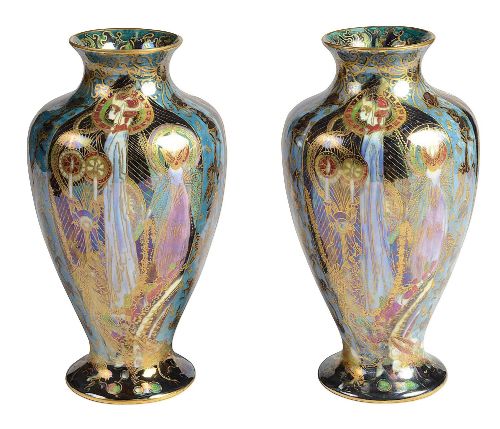
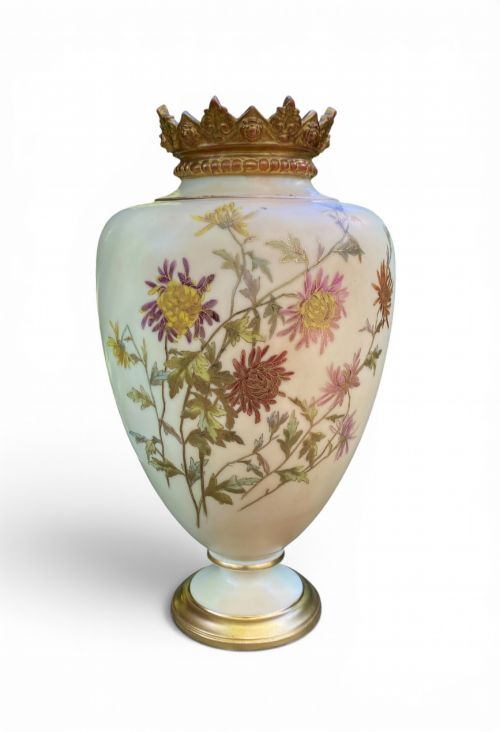
Decoration often incorporates enamel pigments, lustre glaze finishes, and applied gold leaf or gilding. Skilled painters execute intricate scenes of landscapes, animals, and mythological subjects, which are subsequently fired to fix the colours.
Collectable Porcelain Vase Retail Price Guide 2026
Typical asking prices for collectable porcelain vase among the pieces listed under this phrase on Sellingantiques today, from the lower quarter to the upper quarter. They describe what is for sale here now, not the wider market.
Listings feature porcelain pieces dated across the nineteenth and twentieth centuries, including Victorian, Edwardian, and Art Deco periods.
What varies in quality
Quality in these porcelain vessels is determined by the skill and reputation of the artist responsible for the hand-painted decoration. Works executed by named painters with distinctive artistic styles command greater attention than standard factory output.
The complexity of the glaze technique, such as the iridescent finish found on lustre wares or the precision of the gilding and gold leaf application, distinguishes finer examples. The crispness of the porcelain form and the detail in the painting define the upper tier of the range.
Wedgwood·Royal Worcester·Royal Crown Derby
The Collectable Porcelain Vase Glossary
- Bone China
- A type of porcelain composed of bone ash, feldspathic material, and kaolin. This mixture produces a strong, milky-white body that allows for delicate vessel walls.
- Lustre Glaze
- A metallic glaze technique that creates an iridescent, shimmering surface effect. It reflects light with a pearlescent sheen.
- Baluster Vase
- A vase form characterised by a bulbous lower portion tapering to a narrow neck and flared rim. This silhouette was favored in traditional English and Art Deco designs.
- Pot Pourri Vase
- A lidded vessel designed to hold scented dried plant materials. The piercing on the lid allows fragrance to diffuse into a room.
Collectable Porcelain Vase: Frequently Asked Questions
How do I identify a Royal Worcester vase?
Look for factory backstamps beneath the glaze, which often include date ciphers indicating the year of production.
Many pieces also feature the signature of the specific artist who painted the decoration.
What is Fairyland Lustre?
Fairyland Lustre is a specialised iridescent glaze line developed by Wedgwood during the early twentieth century.
These pieces typically feature imaginative fairy and folklore scenes rendered in rich enamel colours.
How were ginger jars used?
Ginger jars originated as storage containers for spices and herbs traded from East Asia.
In British homes during the nineteenth and twentieth centuries, they transitioned into purely decorative mantel and table ornaments.
What distinguishes bone china from porcelain?
Bone china incorporates animal bone ash into the traditional ceramic paste, creating a lighter and slightly translucent material.
Standard porcelain relies entirely on kaolin clay and petuntse.