


Antique Glazed Flower Vase
An antique glazed flower vase brings organic texture and hand-painted artistry into a room, spanning centuries of global pottery traditions.
Antique Glazed Flower Vase
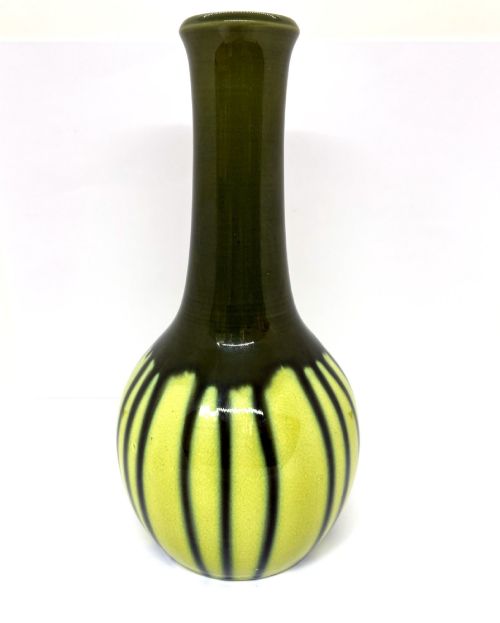
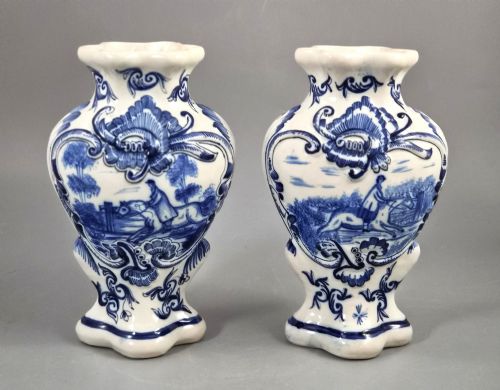
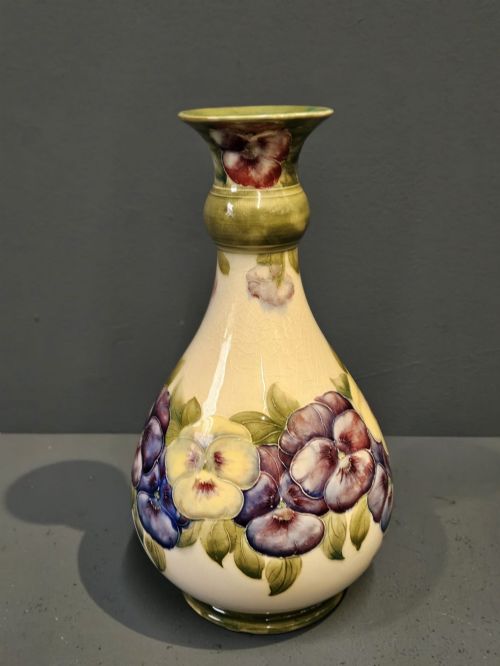
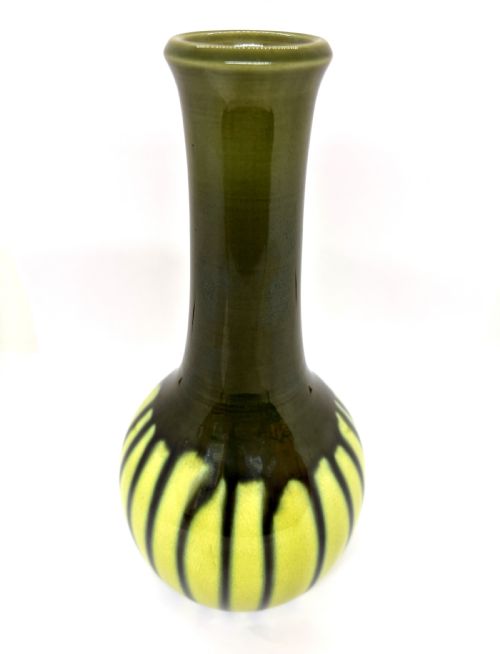
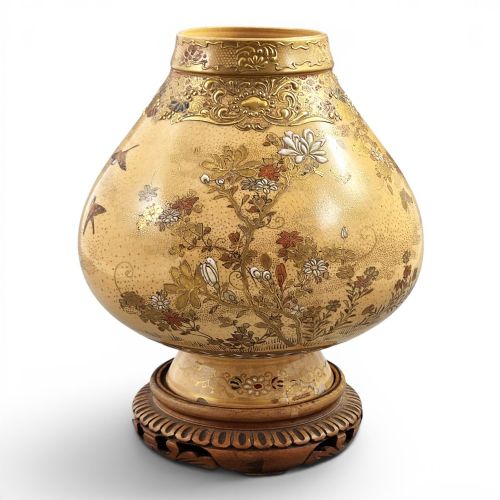
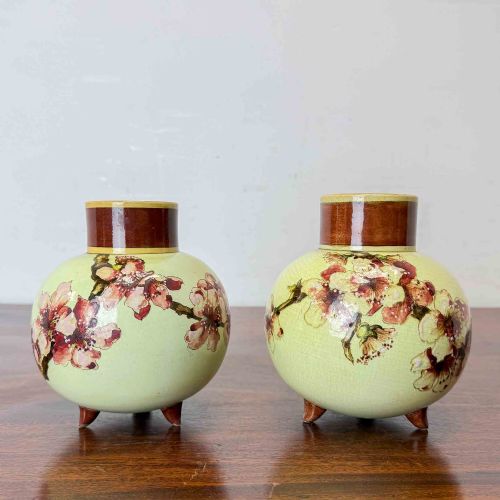
When searching for an antique glazed flower vase, collectors encounter diverse vessels ranging from nineteenth-century English art pottery to seventeenth-century Dutch Delft. The pieces appearing here span multiple periods, most notably the Victorian era, the nineteenth century, and the early twentieth century. Forms vary from simple earthenware vessels to elaborate decorative urns and planter shapes.
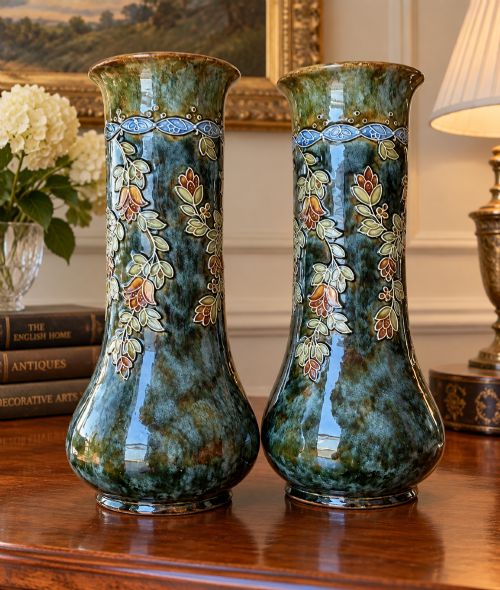
Makers and potteries from England, France, Japan, Germany, China, and Italy dominate the selection. Buyers regularly find works by prominent factories such as Royal Doulton and Burmantofts, alongside continental faience and Japanese Satsuma wares. These objects served both ornamental and practical household roles.
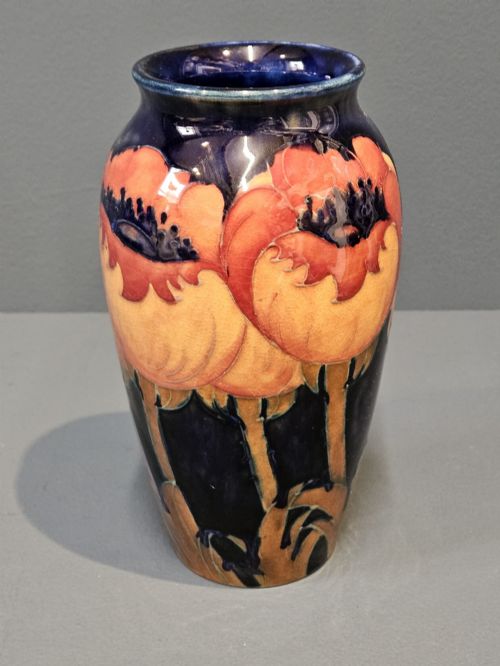
The most common examples on this page date from the late nineteenth and early twentieth centuries, reflecting the rise of studio ceramics and commercial art potteries. Victorian hand-painted pieces and Arts and Crafts creations appear frequently alongside Meiji period Japanese imports. Each style brings distinct regional glazing techniques and ornamental motifs to the tabletop.
Materials and construction methods
Potters built these vessels using earthenware, stoneware, and porcelain bodies, applying liquid clay slips or glazes before firing. Tin-glazed earthenware, also known as faience or majolica, provides a smooth white ground for painted decoration. Stoneware pieces utilise denser clays fired at higher temperatures to achieve durability and rich surface textures.
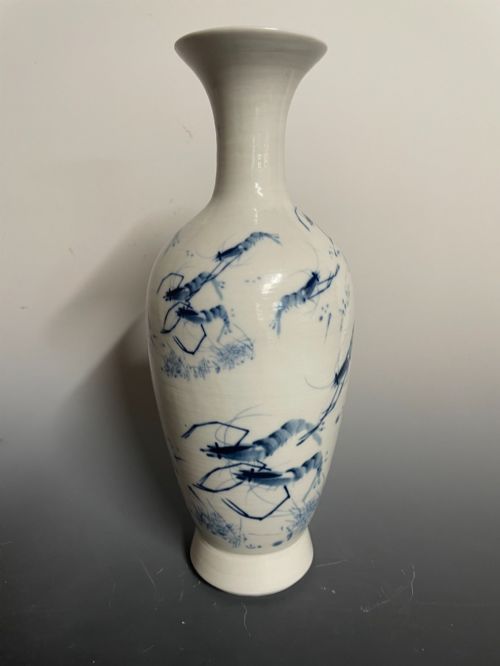
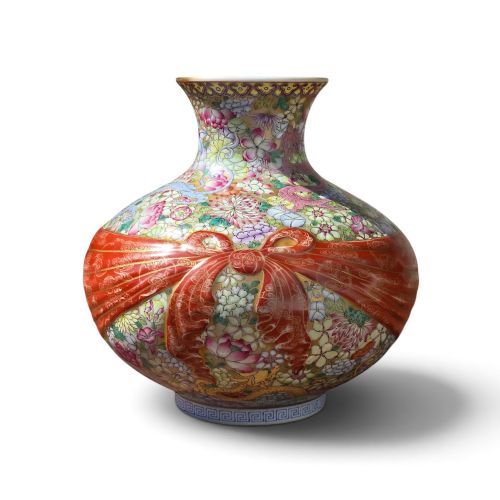
Surface ornamentation combines hand-painted pigments, enamel work, and applied gold leaf over the fired glaze. Techniques like the Millefleurs pattern or blue and white Chinoiserie require precise brushwork executed directly onto the raw or prepared glaze surface. Kiln conditions then fuse these mineral colours permanently into the glossy finish.
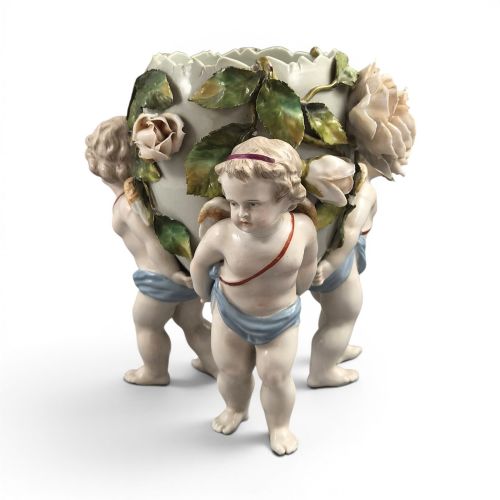
Several Victorian vases feature sculpted cherubs and garlic-head necks, proving that nineteenth-century potters loved a touch of theatrical charm.
Assessing quality and execution
Quality rests in the crispness of the painted detail and the depth of the glaze finish. Master painters working for established workshops achieved finer lines and more harmonious colour palettes than commercial decorators on standard output. The control of the kiln firing dictates whether a glaze shows brilliant uniformity or rich, controlled mottling.
Artistic ambition also separates ordinary production from exceptional pieces. Sculpted handles, complex moulding forms, and signed studio works command attention through individual design rather than repetitive factory output. Balance in weight and proportion completes the evaluation of a superior vessel.
Burmantofts Pottery·Moorcroft·Royal Doulton·Fourmaintraux-Courquin·Sitzendorf·Kinkōzan Workshop·Doulton Lambeth·Cantagalli·Charles Noke
The Antique Glazed Flower Vase Glossary
- Faience
- Tin-glazed earthenware decorated with coloured pigments over an opaque white glaze. This technique originated in Italy and spread across France and England.
- Majolica
- A type of pottery glazed with an opaque tin-lead enamel and painted with bright metallic oxide colours. Victorian makers revived this technique for decorative garden and floral vessels.
- Stoneware
- A robust, vitrified pottery body fired at high temperatures until non-porous. It accepts salt and alkaline glazes effectively.
- Meiji Period
- The era in Japanese history from 1868 to 1912 noted for intricate Satsuma earthenware exported to Western markets. These works often depict complex samurai scenes and floral motifs.
Antique Glazed Flower Vase: Frequently Asked Questions
How do I clean an antique vase?
Dust the surface gently with a soft, dry cloth to protect fragile enamels and gold leaf decorations. Avoid submerging older earthenware pieces in water for long periods, as crazed glazes can absorb moisture.
For interior cleaning, use warm water and mild soap on a bottle brush, taking care around chips or hairline cracks. Let the vessel dry thoroughly before placing it back on display.
Can I use these vases for fresh flowers?
Many sturdy stoneware and porcelain vessels hold water safely for fresh arrangements. Earthenware with internal crazing requires caution, as water might seep into the porous clay body.
Consider placing a small glass or plastic liner inside delicate antique pots to protect the historical interior surface. Empty and dry the vessel immediately after use.
What is art pottery?
Art pottery describes ceramic vessels produced from the late nineteenth century onward by studios prioritising individual artistic expression over mass manufacturing. Makers experimented with novel glazes, slip-trailing, and sculpted forms.
Signed pieces by designers associated with movements like Arts and Crafts or Art Nouveau represent the peak of this creative output. Each studio developed distinct regional clay bodies and chemical glaze recipes.