
Antique Floral Ceramic Pitcher
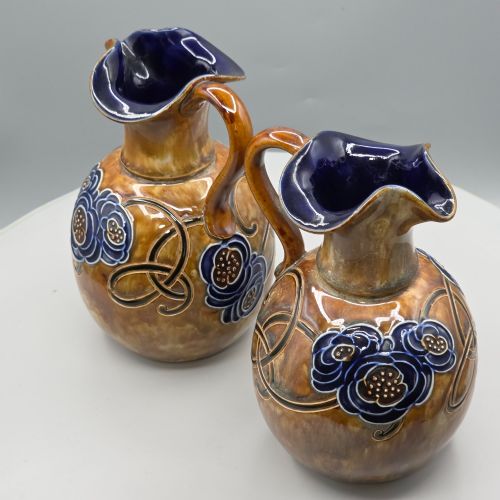
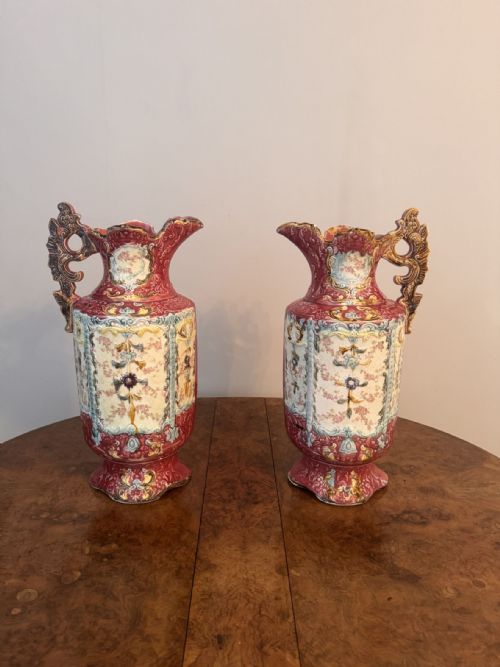
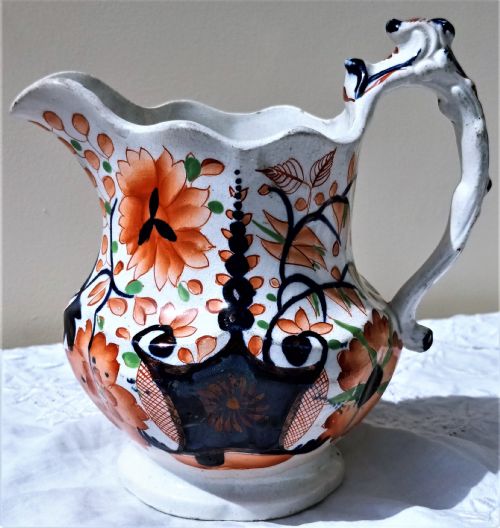
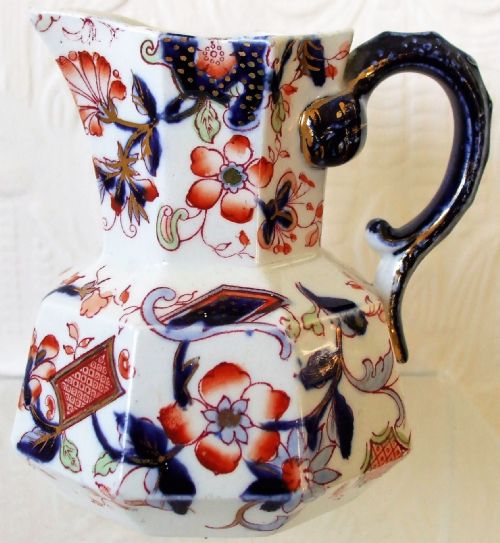
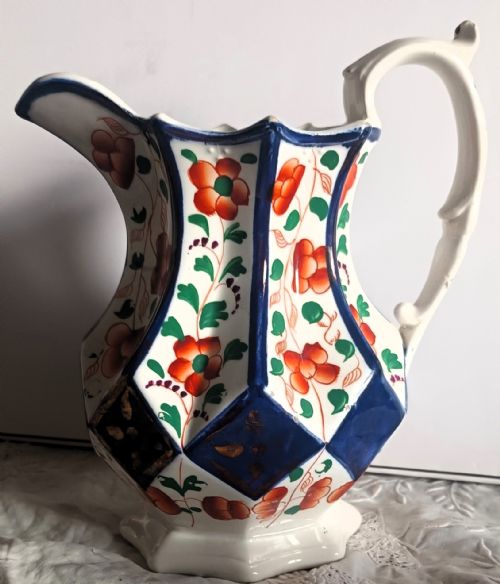
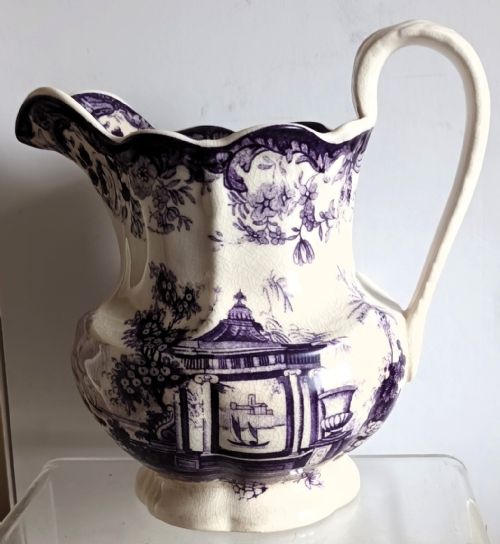
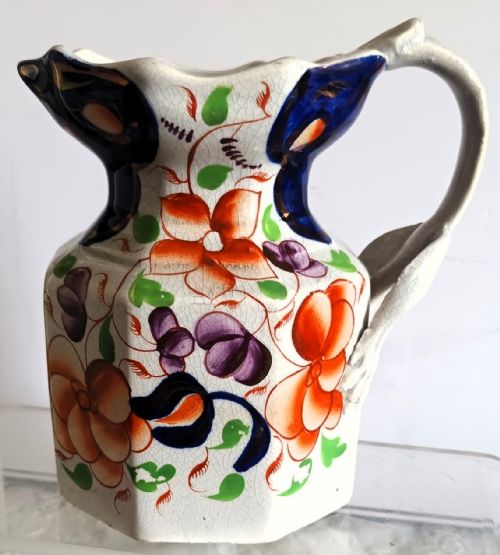
An antique floral ceramic pitcher brings hand-painted botanicals and robust earthenware into daily service.
Antique Floral Ceramic Pitcher
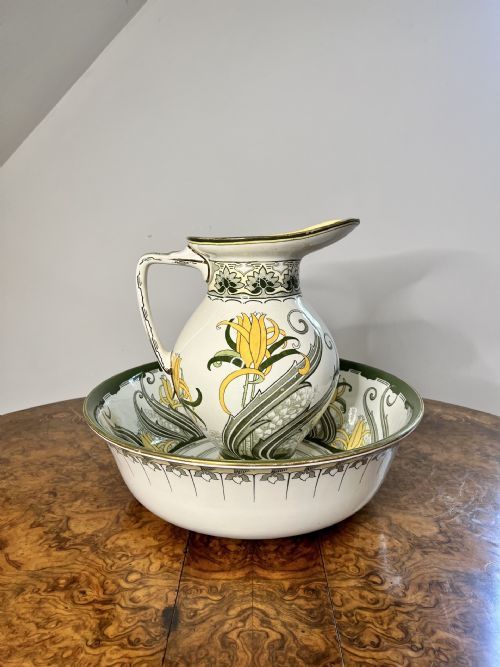
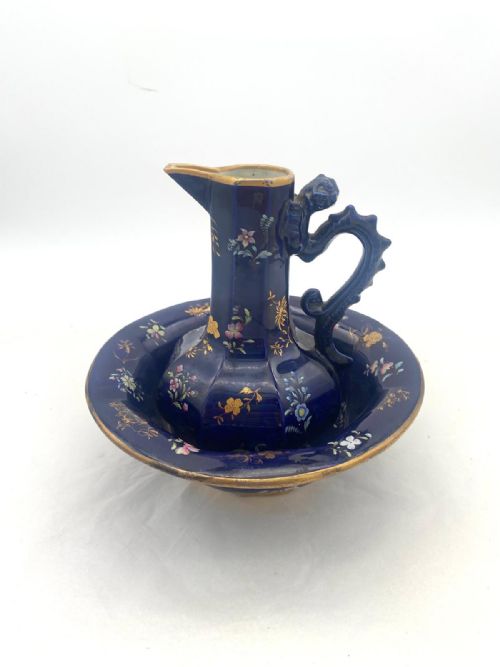
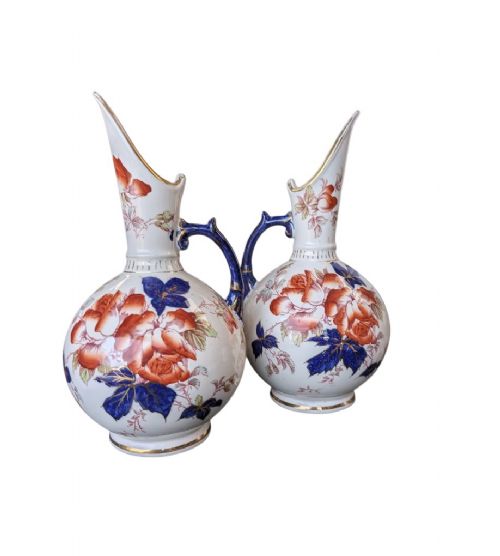
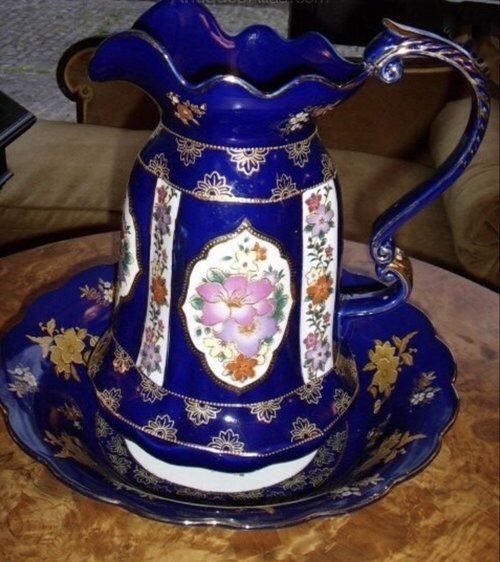
When you search for an antique floral ceramic pitcher, you encounter vessels designed for pouring liquids, washing, or display, spanning the eighteenth to the early twentieth centuries. The selection encompasses smaller cream jugs alongside substantial washstand sets, ewers, and display pitchers.
Victorian and Georgian periods dominate the offerings, styled through Victorian, Edwardian, Art Nouveau, and Arts & Crafts aesthetics. The floral decoration frequently appears hand-decorated or transfer-printed on porcelain, earthenware, and pearlware bodies.
How They Were Made
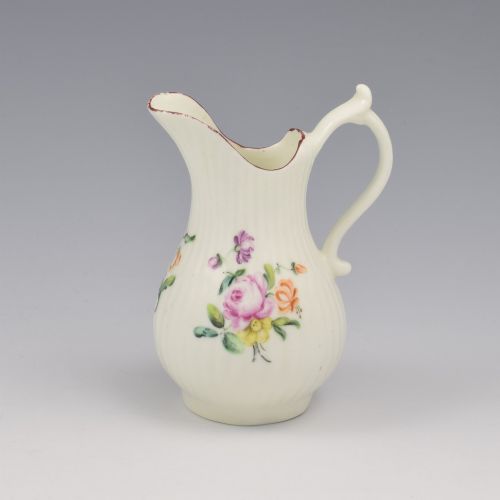
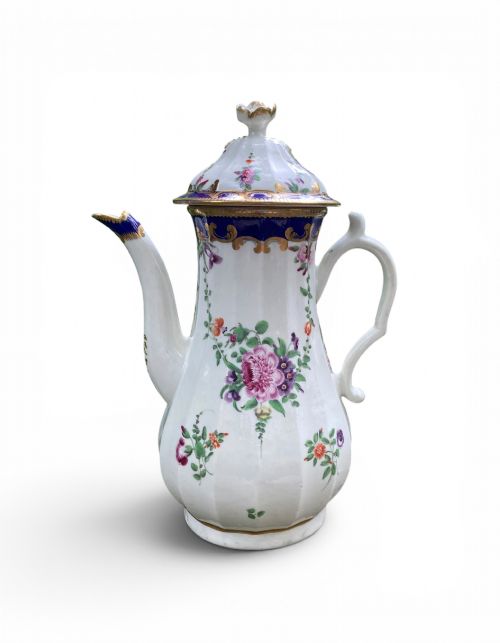
Potters shaped these bodies from earthenware, porcelain, and pearlware, often utilising moulding techniques such as cabbage leaf patterns or fluted baluster forms. Glazes, tin-glaze applications, and enamel colours seal the ceramic before firing.
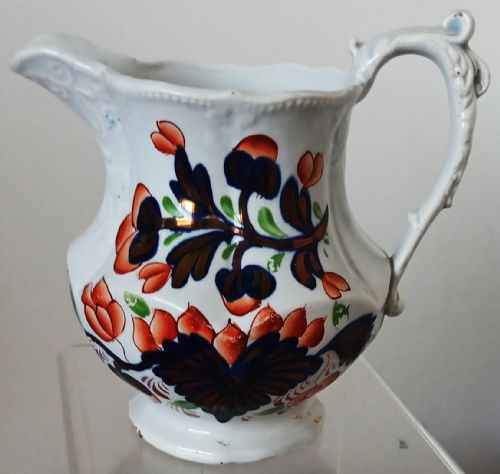
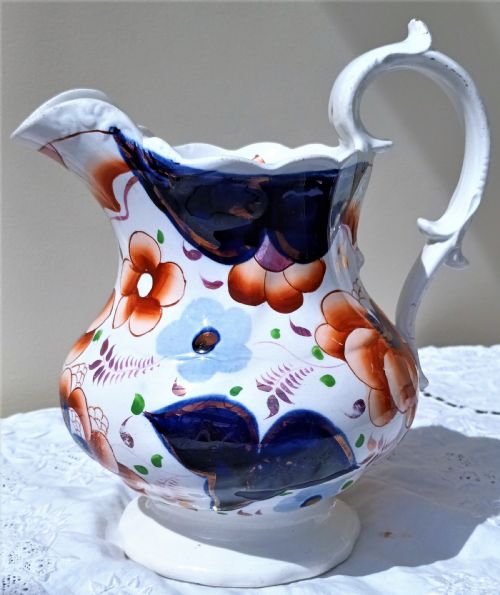
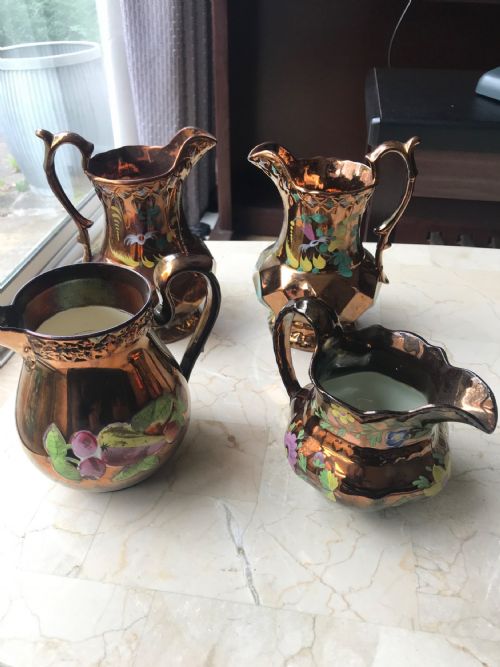
Decoration relies on hand-painted botanical motifs, transfer printing in magenta or blue, and occasional copper lustre or gold leaf accents applied to the finished ceramic surface.
A miniature jug sits ready for tea with imaginary guests.
What Varies in Quality
Quality rests on the crispness of the moulded form and the precision of the hand-painted or transfer-printed floral details across the ceramic body. Finer examples display careful brushwork and balanced potting, particularly within established potteries.
The sophistication of the glaze and the integration of stylistic elements, such as Persian influences or Art Nouveau lines, separate standard utility pieces from exhibition-grade ewers and matched wash sets.
Royal Doulton·Doulton Burslem·Masons Ironstone·Keeling & Co·Royal Worcester·John Rose Coalport
The Antique Floral Ceramic Pitcher Glossary
- Earthenware
- Porous pottery fired at lower temperatures, requiring a vitreous glaze to hold liquids. It forms the body of many nineteenth-century domestic jugs.
- Pearlware
- A refined earthenware developed in the eighteenth century featuring a subtle blue-tinted glaze over a whitish body. It serves as a common substrate for floral transfer printing.
- Copper Lustre
- A metallic glaze technique imparting an iridescent coppery sheen to the ceramic surface. It frequently highlights nineteenth-century Staffordshire jugs.
- Ewer
- A large pitcher with a flared spout and an ornate handle, historically used for washing or formal service. These pieces often feature dramatic Victorian styling.
Antique Floral Ceramic Pitcher: Frequently Asked Questions
How do I date a ceramic pitcher?
Dating relies on body composition, maker marks, and stylistic clues like transfer print colours or moulding techniques. Eighteenth-century pieces typically show different paste characteristics compared to Victorian earthenware.
Examining the glaze and bottom markings helps align the piece with documented manufacturing periods and pottery output.
Were these pitchers used daily?
Many pitchers served practical roles in dairy work, table service, or bedroom washstand sets alongside matching bowls. Domestic use varied from small cream jugs to large water ewers.
Wear patterns and interior staining often reflect this functional history, though decorative exhibition pieces saw minimal handling.
What is a washstand set?
A washstand set pairs a large pitcher with a matching basin used for personal hygiene before modern plumbing. These sets often incorporate soap dishes and chamber pots.
Edwardian and Victorian examples frequently feature elaborate floral transfers suited for display on bedroom furniture.
How do I distinguish pearlware from porcelain?
Pearlware is a refined pottery body that appears slightly porous under inspection and shows a characteristic bluish pooling of the glaze in recesses. Porcelain is vitrified, harder, and non-porous.
Porcelain pieces often exhibit greater translucency when held to the light than standard earthenware or pearlware bodies.