


Tin Glazed Earthenware Pitcher
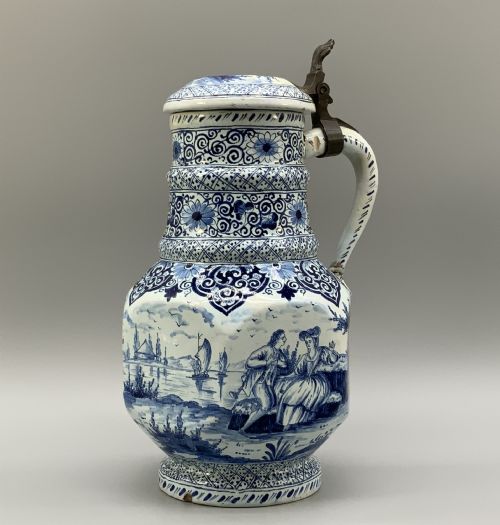
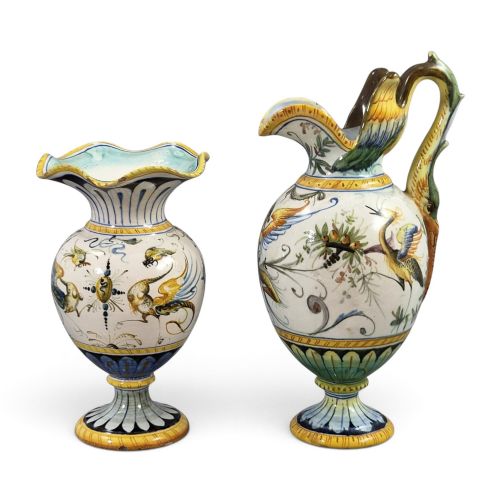
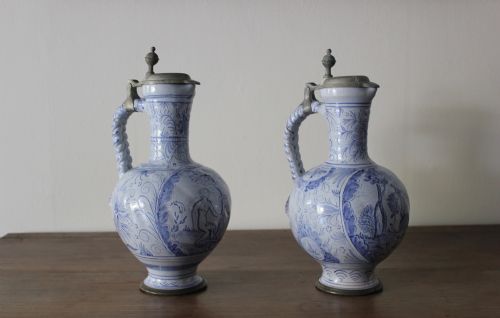
These tin glazed earthenware pitcher examples offer wonderful ceramic surfaces, bringing historic form and painted decoration directly into a room.

Tin Glazed Earthenware Pitcher
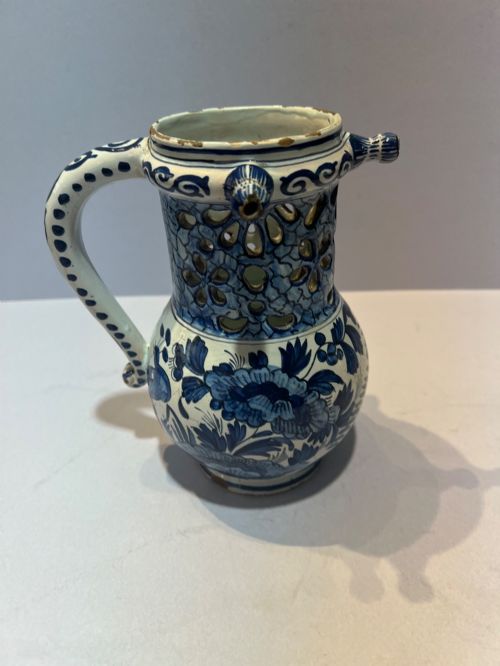
A tin glazed earthenware pitcher sits at the intersection of utilitarian vessel and decorative art, spanning centuries of European pottery traditions. When searching for this phrase, buyers encounter forms ranging from practical pouring jugs and coffee pots to elaborate ewers and puzzle jugs.
The pieces on this page are most frequently Dutch Delftware or broader European faience and majolica, often decorated in blue and white or polychrome palettes. Dating spans from the late seventeenth century through the nineteenth century, including Revival interpretations.
Forms include traditional domestic jugs, apothecary jars, and characterful Toby jugs with painted floral, mythological, or Chinoiserie scenes. Each item demonstrates the distinct opaque white glaze characteristic of tin-fired ceramics.
Materials and production methods
Potters shape basic earthenware clay bodies on the wheel or press them into moulds, creating the foundational vessel structure. Artisans then apply an opaque tin oxide glaze to form a white surface suitable for painting.
Painters apply mineral pigments directly onto the porous, unfired tin glaze, allowing the oxides to absorb permanently during the kiln firing. Some vessels incorporate fitted pewter lids or mounts attached to the ceramic rims and handles.
What separates examples across the range
Quality rests in the crispness of the hand-painted brushwork, whether depicting delicate Chinoiserie foliage or bold mythological figures. The smoothness and opacity of the white tin glaze also distinguish finer studio output from standard utilitarian wares.
The complexity of the vessel form dictates division in the tier, moving from simple domestic jugs to intricate puzzle jugs and mask-spouted ewers. Well-preserved glaze surfaces with minimal chipping and stable historical pewter mounts elevate a piece's standing.
Cantagalli Florence·Pieter Verburg
The Tin Glazed Earthenware Pitcher Glossary
- Tin glaze
- An opaque white glaze produced by adding tin oxide to a lead glaze base. This formulation provides a smooth, white canvas for painted decoration.
- Faience
- European tin-glazed earthenware, a term used widely in France and other continental regions. It mirrors the techniques of Dutch Delftware.
- Majolica
- Tin-glazed earthenware originating in Italy and later revived in the nineteenth century with vibrant polychrome enamels. The style is known for rich, opaque colours.
- Puzzle jug
- A historic drinking vessel featuring a pierced neck and deceptive channels designed to spill liquid unless the drinker uses the correct spout.
- Chinoiserie
- European decorative motifs inspired by Chinese art and porcelain, frequently rendered in blue and white on eighteenth-century ceramics.
- Ewers
- Large, pitcher-like vessels with flared spouts and handles, traditionally used for pouring water rather than serving beverages at table.
Tin Glazed Earthenware Pitcher: Frequently Asked Questions
How do I clean an antique tin glazed earthenware pitcher?
Dust the surface gently with a soft dry cloth to protect the historic glaze from moisture damage. Avoid submerging older ceramics in water, particularly if they feature hairline cracks or exposed earthenware bodies.
Harsh chemical detergents will strip the painted pigments and dull the tin glaze. Keep these vessels out of direct sunlight and away from damp environments to preserve the ceramic body.
Were these jugs used for serving daily drinks?
Many examples served practical domestic functions at the table, holding water, beer, coffee, or wine. Others served specific pharmaceutical purposes as apothecary wet drug jars.
Specialist vessels like puzzle jugs or decorative ewers functioned more as display pieces or tavern novelties. Their survival depends on how carefully previous owners handled them over the centuries.
How do I tell seventeenth century pieces from nineteenth century revivals?
Seventeenth and eighteenth century pieces display the natural wear, softer glaze textures, and pigment compositions typical of early production periods. Nineteenth century revival pieces often exhibit brighter, more uniform polychrome enamel colours and heavier bodies.
Examining the foot rim and the interior glaze pooling helps reveal the manufacturing period. Maker marks, where present, offer additional clues, though pseudo marks require careful comparison.
What causes crazing and chipping on tin glaze?
Crazing occurs when the surface glaze contracts at a different rate than the underlying earthenware body over long periods. Tin glaze is naturally brittle, making the edges and spouts prone to small flakes and chips.
Historical handling and minor impacts create these surface losses without necessarily compromising the structural stability of the vessel. Such wear is typical for utilitarian ceramics of significant age.