


Antique English Pottery Jug
These antique English pottery jugs bring centuries of domestic utility and ceramic artistry to a tabletop, offering collectors both tactile history and display character.
What these pieces are
An antique English pottery jug represents a diverse category of vessels created for daily household tasks, fluid storage, and decorative display across multiple centuries. The selection available on this page spans utilitarian earthenware to refined porcelain, capturing the changing tastes of British households from the Georgian period through the Victorian era.
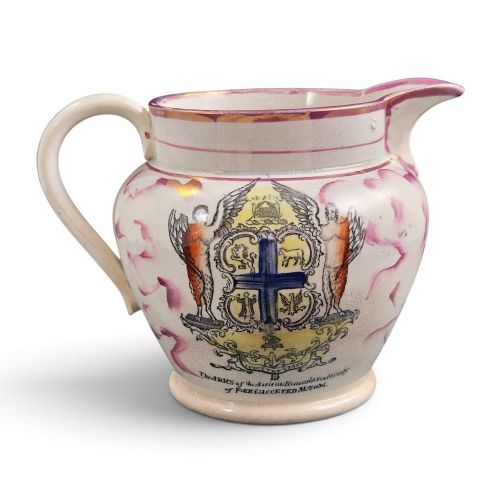
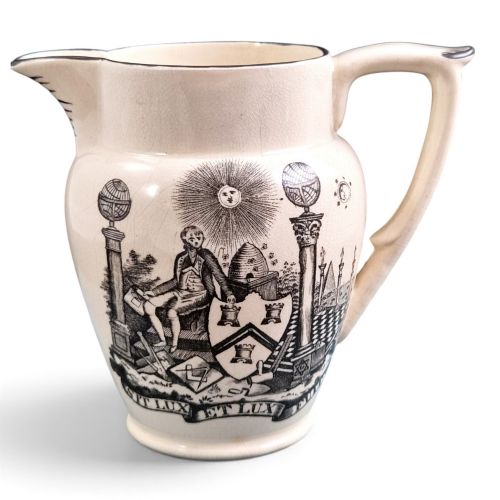
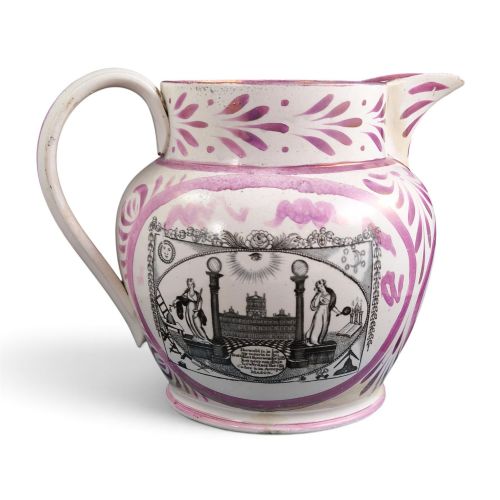
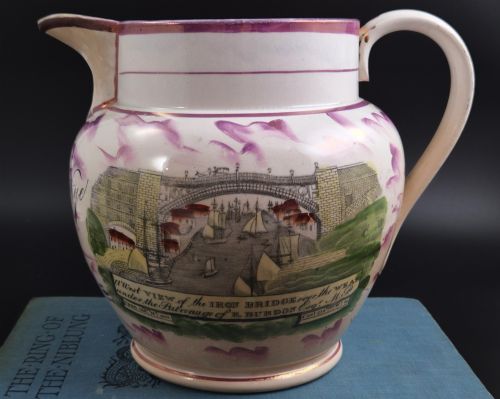
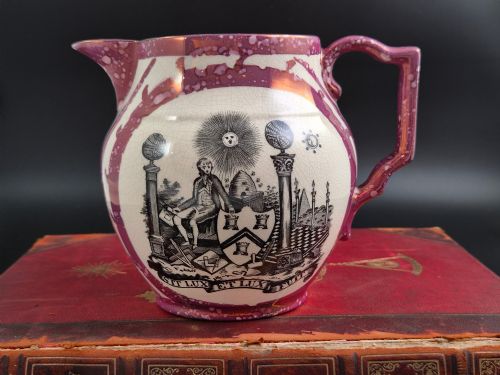
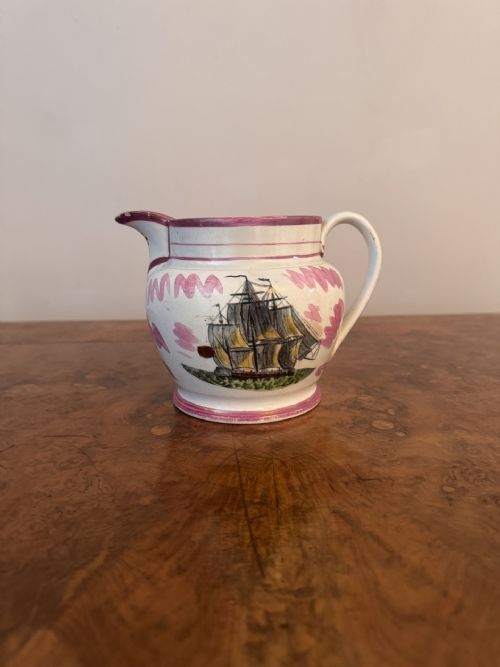
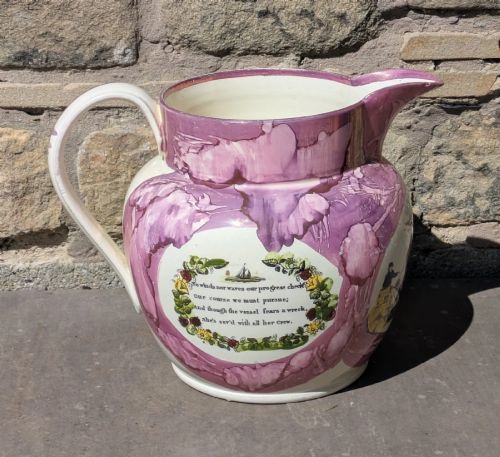
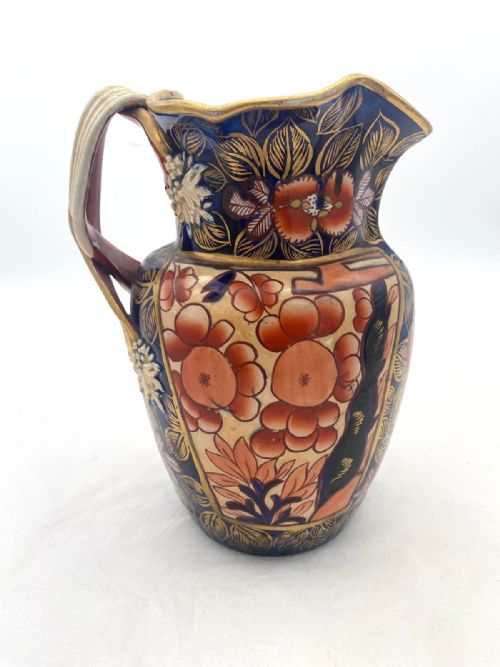
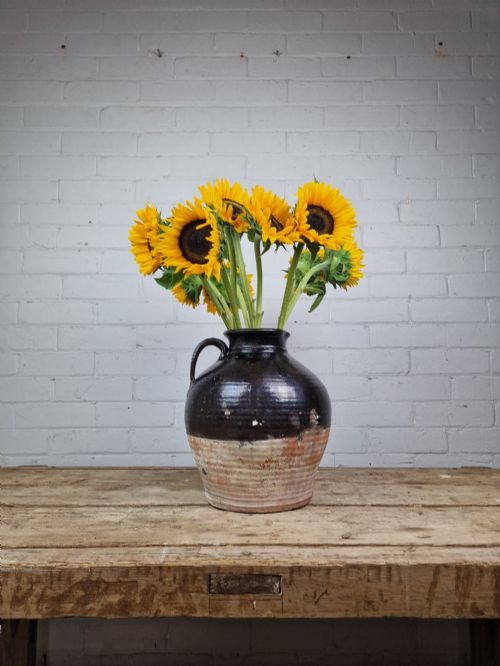
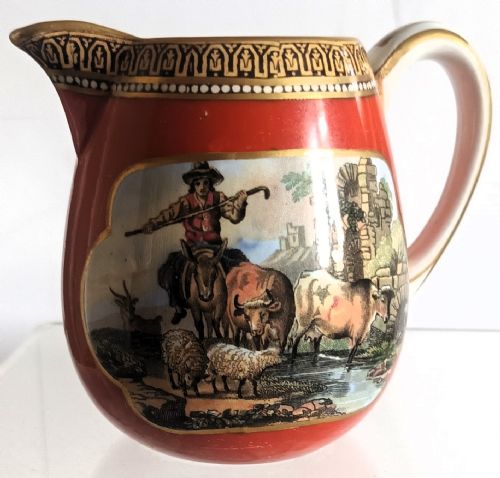
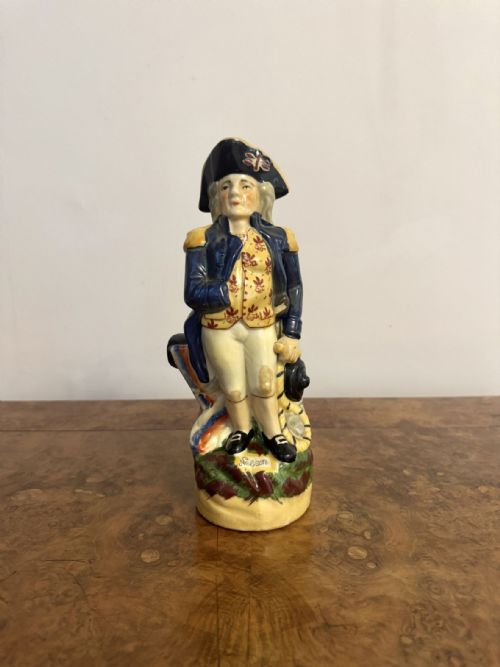
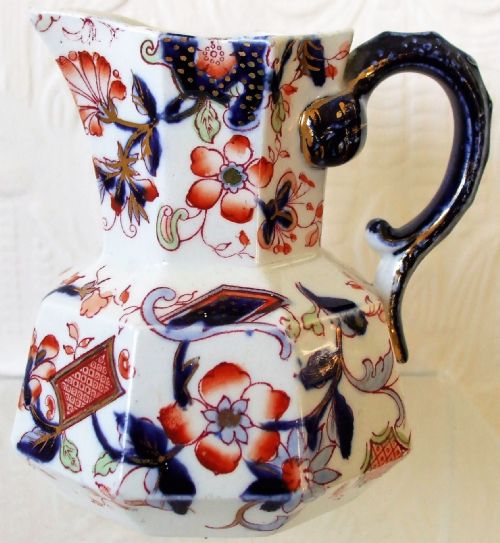
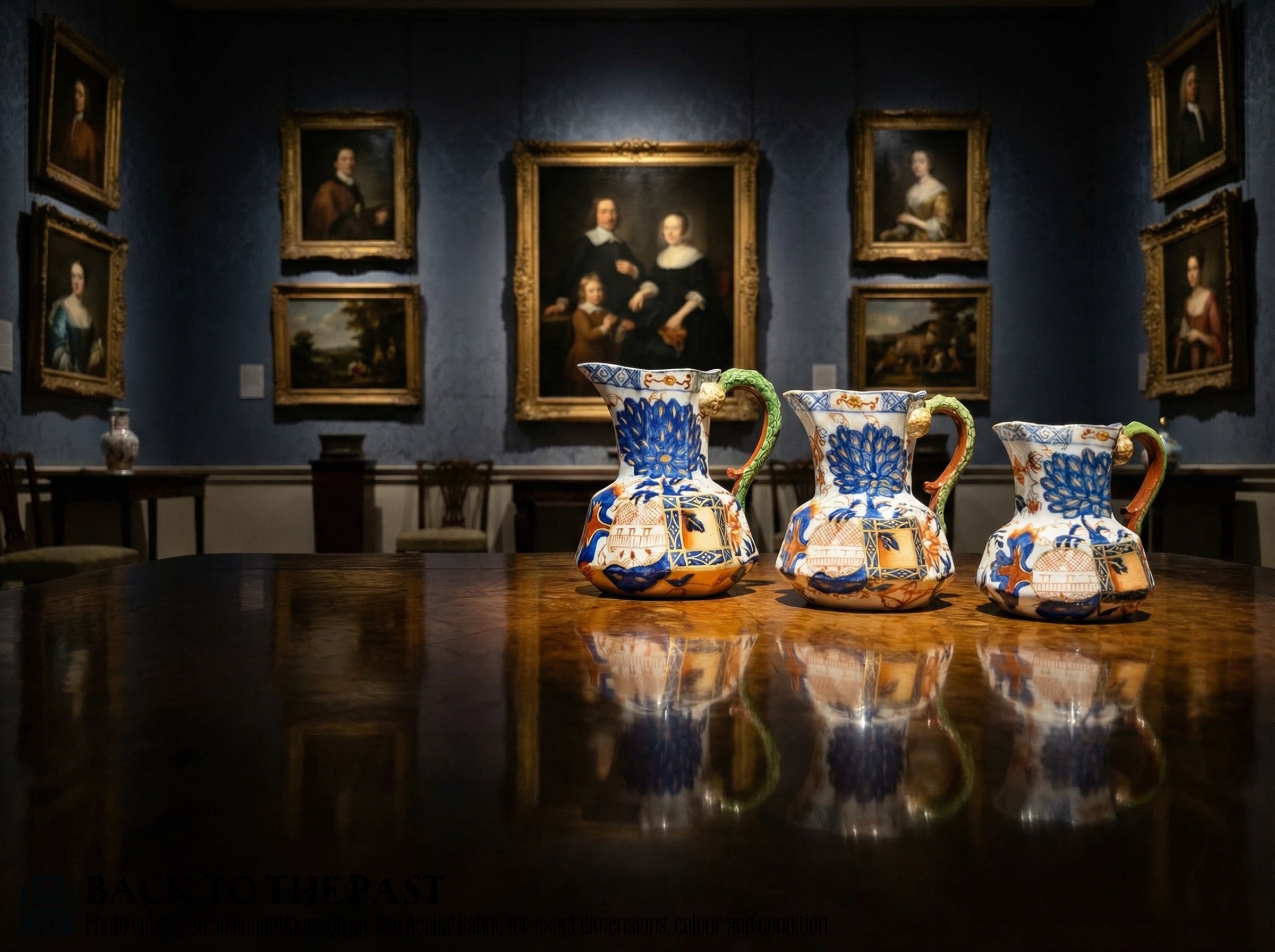
Buyers encountering this category will find a rich variety of forms, including milk jugs, creamers, water jugs, and characterful toby jugs. The evidence shows pieces finished in various styles such as English folk art, transfer printing, and rich enamels like Victorian Imari.
Origins stretch across significant periods of English ceramic production, notably the eighteenth and nineteenth centuries. These vessels served functional roles in kitchens and dining rooms before surviving as treasured display items for modern collectors.
How they were made
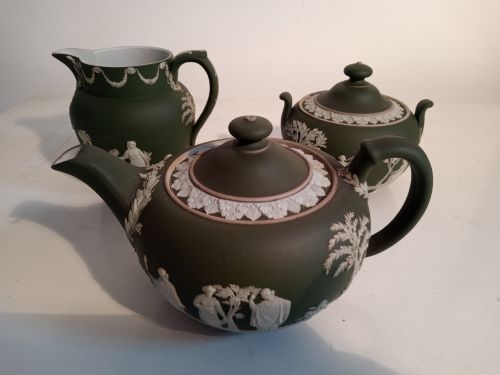
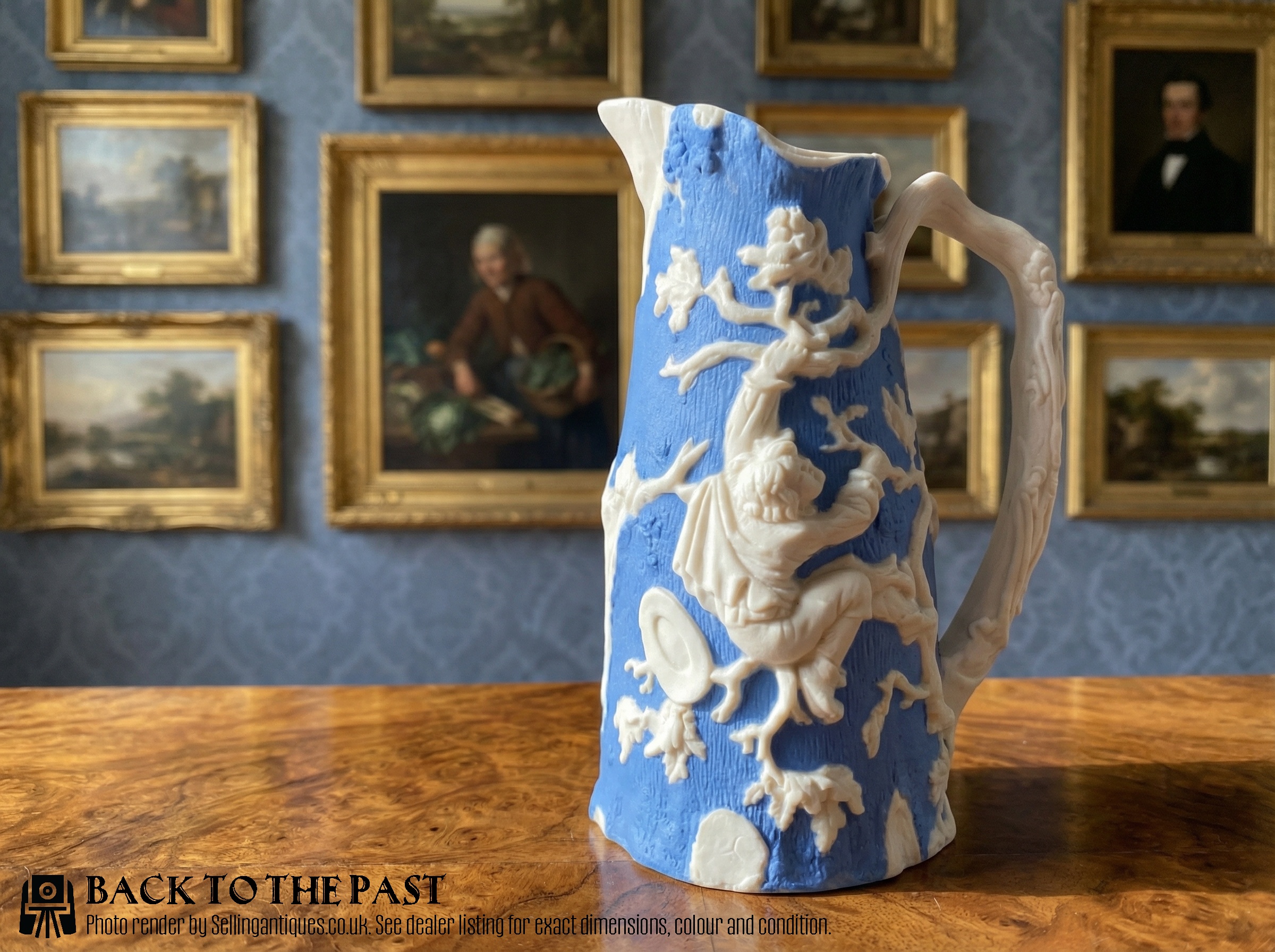
Potters constructed these jugs using fundamental ceramic materials including earthenware, stoneware, pearlware, and ironstone, shaped by hand or mould depending on the desired form. Specialised bodies like Parian ware and bisque porcelain offered distinct matte or fine-grained textures suited for ornamental vessels.
Makers applied decorative finishes through dipping, painting, or transfer printing onto ceramic glaze. Pigments included copper lustre, famille rose palettes, and blue and white transfers depicting specific architectural scenes or landscapes.
Retail Price Guide 2026
Typical UK retail prices for english pottery jug, calculated from the Sellingantiques database of over a million retail prices indexed since 2003. This retail price guide relies exclusively on Sellingantiques data; no external sources or auction records are used, so the figures do not describe the wider market.
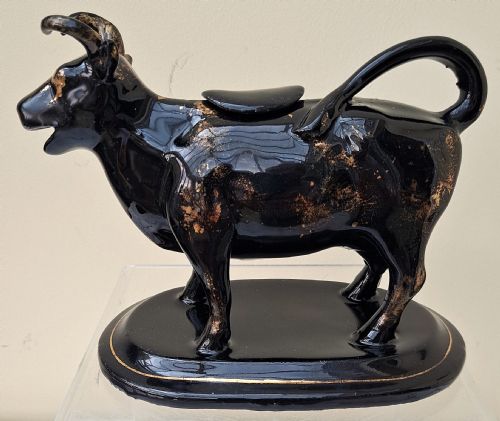
A cow creamer dispenses milk rather unexpectedly through the animal's mouth, proving that Regency tea tables enjoyed a touch of bovine humour.
What varies in quality
Quality in these jugs rests on the crispness of the moulding, the control of the glaze, and the precision of the hand-painted or transfer-printed decoration. Finer pieces demonstrate superior balance in the handle and spout, showing the potter's mastery over the clay body during firing.
The sophistication of the palette and the clarity of decorative details distinguish standard utility vessels from exceptional parlor display pieces. Depth of colour in enamels and smoothness of the ceramic surface mark the upper tier of production.
Davenport·Mayer and Newbold·John Rogers and Son·John Meir and Son of Tunstall·Spode
The Antique English Pottery Jug Glossary
- Earthenware
- A porous pottery body fired at lower temperatures, typically requiring a glaze to achieve watertightness. It forms the foundation for many traditional English jugs.
- Pearlware
- A refined earthenware developed in the late eighteenth century featuring a subtle bluish glaze that pooled in recesses to mimic Chinese export porcelain.
- Stoneware
- A dense, vitreous ceramic fired at higher temperatures, rendering it naturally impermeable to liquids without requiring a glaze.
- Ironstone
- A durable, heavy ceramic patent-registered in the nineteenth century to provide a strong, utilitarian alternative to fine porcelain.
- Transfer printing
- A decoration technique where an engraved copper plate transfers a printed design onto paper, which is then applied to the ceramic surface before firing.
- Parian ware
- A fine-grained, unglazed porcelain introduced in the Victorian era that mimics the smooth texture of carved marble.
Frequently Asked Questions
What were antique English pottery jugs used for?
These vessels served practical functions in the home, primarily holding water, milk, or cream for dining and tea service. Many also functioned as decorative display pieces in Georgian and Victorian parlors.
Over time, utility items transitioned into collectible decorative objects prized for their historical ceramic techniques and regional styles.
How do I identify a Georgian pottery jug?
Georgian pieces often display characteristic forms from the eighteenth and early nineteenth centuries, including pearlware bodies, hand-painted famille rose palettes, or early blue and white transfer prints.
Makers from this era frequently employed distinct earthenware formulations and specific decorative motifs that reflect the neoclassical and folk art influences of the period.
What is a toby jug?
A toby jug is a pottery pitcher modeled in the form of a stout, cheerful person, usually seated and holding a mug of beer or a pipe. They emerged as popular drinking vessels and decorative items in eighteenth-century England.
Victorian examples continued this tradition, often depicting specific characters or female figures with detailed underglaze painting and distinctive period attire.
How should I display antique pottery jugs at home?
Display these jugs on stable shelving or within cabinets where their handles, spouts, and decorative patterns can be viewed safely. Ensure they are kept away from high-traffic edges where accidental bumps might occur.
Grouping pieces by material, such as stoneware or transfer-printed earthenware, highlights the stylistic variations across different nineteenth-century potteries.