


English Folk Art Pottery
English folk art pottery objects are robust utilitarian and decorative figures that bring character and rustic charm to any interior.
What these pieces are
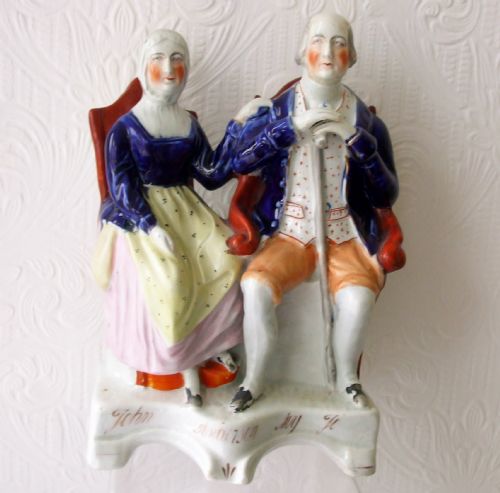
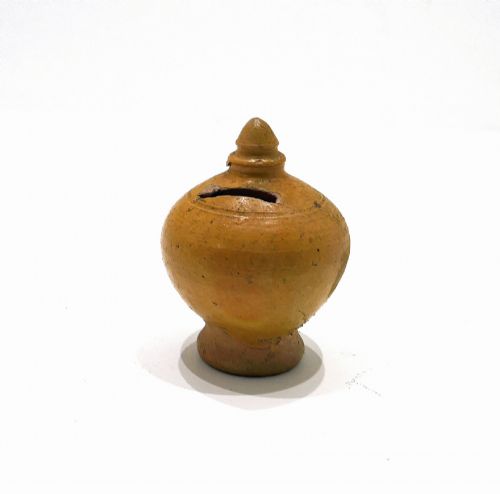
English folk art pottery encompasses diverse utilitarian and decorative ceramic forms made across the nineteenth century. Buyers searching this phrase encounter characteristic country pieces including money boxes, decorative figurines, and cow creamers.
How they were made
Potters utilised basic earthenware, terracotta, and pearlware bodies shaped by hand or moulded in regional workshops. Surfaces received protective lead glazes, ceramic glazes, and hand-applied enamel paint to add colour and detail.
Firing techniques in traditional kilns produced the characteristic warm tones and tactile finishes seen across these nineteenth-century pieces.
Retail Price Guide 2026
Typical UK retail prices for english folk art pottery, calculated from the Sellingantiques database of over a million retail prices indexed since 2003. This retail price guide relies exclusively on Sellingantiques data; no external sources or auction records are used, so the figures do not describe the wider market.
Early makers gave their ceramic cows impossibly cheerful expressions and patterned spots that owe more to imagination than any British pasture.
What varies in quality
The richness of the lead glaze and the preservation of the original painted surface distinguish superior regional items from standard production.
The English Folk Art Pottery Glossary
- Earthenware
- Porous pottery fired at lower temperatures, commonly used for traditional domestic wares. It requires a glaze to hold liquids.
- Pearlware
- A refined earthenware developed in the eighteenth century featuring a subtle bluish glaze over a white body. It bridged the gap between salt-glazed stoneware and creamware.
- Flatback
- A ceramic figure designed with an unglazed or minimally finished flat reverse to sit flush against a wall. This style dominated nineteenth-century mantelpiece decoration.
- Lead glaze
- A shiny coating applied to pottery before firing that melts into a glassy surface. It waterproofs the clay body and deepens the colours underneath.
Frequently Asked Questions
What is English folk art pottery?
English folk art pottery comprises traditional ceramic pieces made for everyday use or simple decoration by regional makers during the nineteenth century.
These items range from money boxes to figural animal creamers reflecting local rural tastes.
How do I date these pottery pieces?
Dating relies on stylistic clues, clay bodies like pearlware versus standard earthenware, and glaze characteristics typical of the Regency and Victorian eras.
Most pieces date from the nineteenth century, aligning with the Georgian and Victorian periods seen in the listings.
Where were these pottery items made?
Production occurred in various regional centres across England, including Dorset and Staffordshire.
Local workshops utilised native clays and traditional methods to supply domestic markets with figures and utilitarian vessels.
How do I care for antique pottery?
Keep these ceramic pieces away from direct sunlight and dramatic temperature fluctuations to protect the fragile enamel paint and glaze.
Dust gently with a dry cloth and avoid washing antique earthenware in water.