


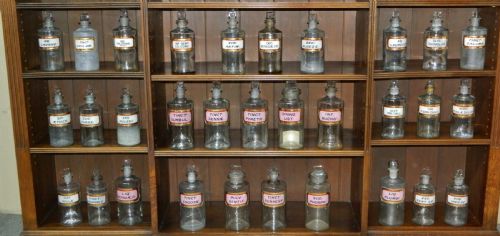


Antique Medicine Jar
An antique medicine jar holds the quiet chemistry of past centuries, offering collectors striking glass and ceramic forms that bring historical shelf-wear into modern rooms.
Antique Medicine Jar
When you search for an antique medicine jar, you encounter utilitarian apothecary vessels that once held drugs, tinctures, and dry chemicals in dispensaries and chemists' shops. These pieces span periods from the Georgian era through the Victorian period and into nineteen-hundred, encompassing individual apothecary bottles, sets of jars, and complete medicine chests.
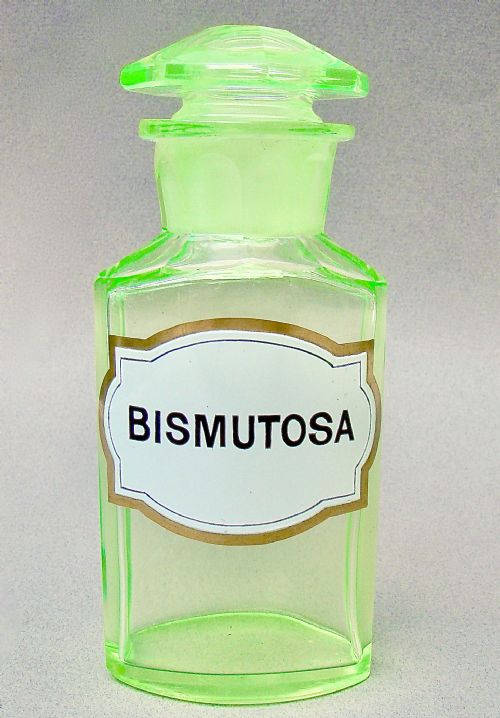
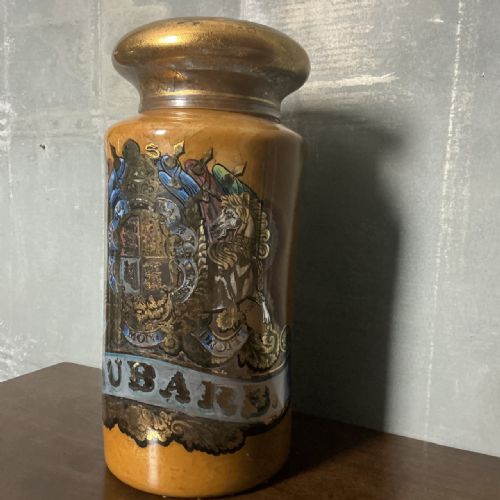
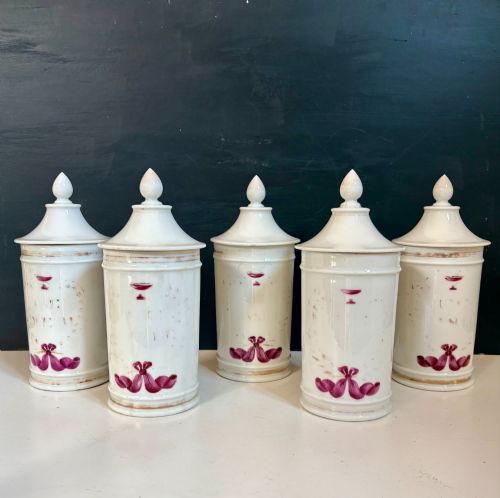
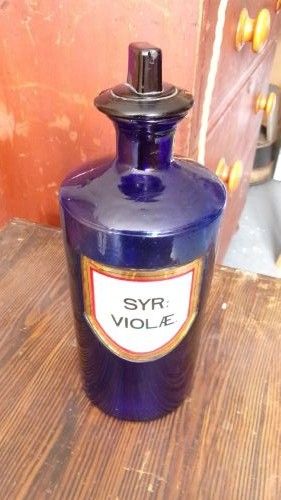
The versions you meet most frequently on this page are Victorian glass containers, often rendered in deep cobalt or Bristol blue glass alongside clear glass iterations. Ceramic and porcelain forms also appear, frequently accompanied by paper labels or gold leaf lettering denoting the original contents.
Forms vary from large storage jars with lollipop stoppers to smaller chemist bottles designed for shelf storage. Sets of multiple matching jars and complete cabinets survive alongside single display-worthy pieces.
How they were made
Makers shaped these containers using traditional glassblowing and ceramic forming techniques common to the nineteenth century and earlier Georgian periods. Glass vessels display rich tonal qualities, particularly in blue and green glass formulas, while ceramic pieces utilise stable glazes suited for holding pharmaceutical substances.
Surface decoration relies on applied paper labels, hand-painted details, and gold leaf inscriptions to identify the contents. Stoppers were individually ground to fit each neck, ensuring a secure seal for the dry drugs and liquids stored within.
Some bottles retain traces of dried historical powders inside, preserving the scent of nineteenth-century remedies.
What varies in quality
Quality rests in the survival of original components such as matching glass stoppers and legible paper or gold leaf labels. Pieces retaining their original hand-applied lettering show greater visual cohesion than those stripped of identification over time.
The depth of colour in cobalt and green glass influences the desirability of a piece, alongside the presence of matching sets rather than isolated single bottles. Clean manufacture without excessive bubbling or distortion in the glass marks superior production standards.
The Antique Medicine Jar Glossary
- Apothecary jar
- A vessel used by practitioners to store medicinal herbs, chemicals, and preparations. These items formed the working stock of nineteenth-century chemists and dispensaries.
- Cobalt glass
- A deep blue glass coloured by the addition of cobalt oxide during manufacture. This material protected light-sensitive medicines from degradation.
- Lollipop stopper
- A flat-topped, disk-shaped glass stopper designed to seal wide-mouthed apothecary bottles. They complete the silhouette of many Victorian chemist pieces.
- Gold leaf
- Very thin gold beaten into sheets and applied to glass surfaces for lettering. It provides a durable and reflective finish for pharmaceutical labels.
Antique Medicine Jar: Frequently Asked Questions
What did they hold?
These vessels contained dried herbs, chemical compounds, liquid tinctures, and ointments used in historical medical practice.
Chemists and apothecaries kept them on shelves to dispense daily remedies to patients.
How old are they?
The listings span from the Georgian period through the Victorian era and into nineteen-hundred.
Most examples date from the nineteenth century, reflecting the peak era of elaborate chemist shop fittings.
How should I display them?
Place them on deep windowsills or open shelving where natural light illuminates coloured glass.
Grouping sets together creates the authentic visual impact of an old apothecary interior.
Are stoppers original?
Many pieces retain their original ground glass stoppers, which were custom-fitted to each individual neck.
Matching stoppers enhance the historical integrity and visual balance of the container.