



Antique Ceramic Apothecary Jar
An antique ceramic apothecary jar holds centuries of chemical history, offering collectors bold cobalt inscriptions and tin-glazed earthenware forms.
Antique Ceramic Apothecary Jar
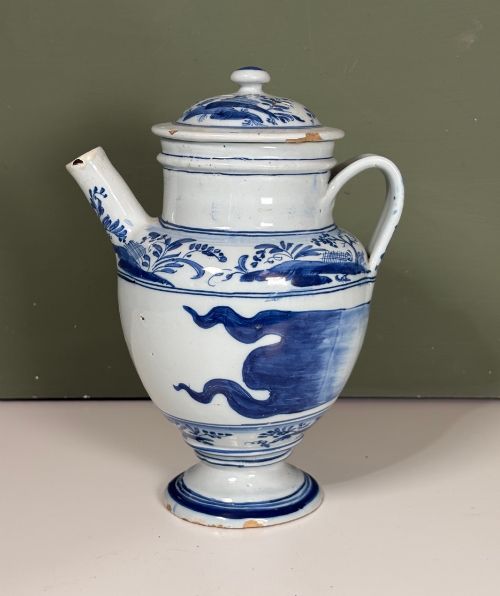
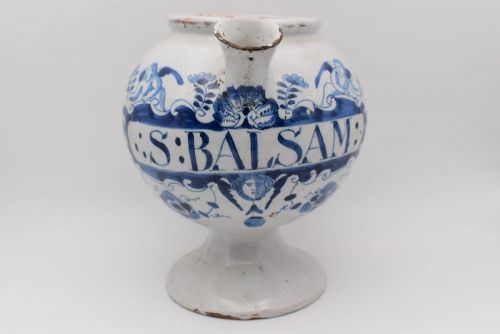
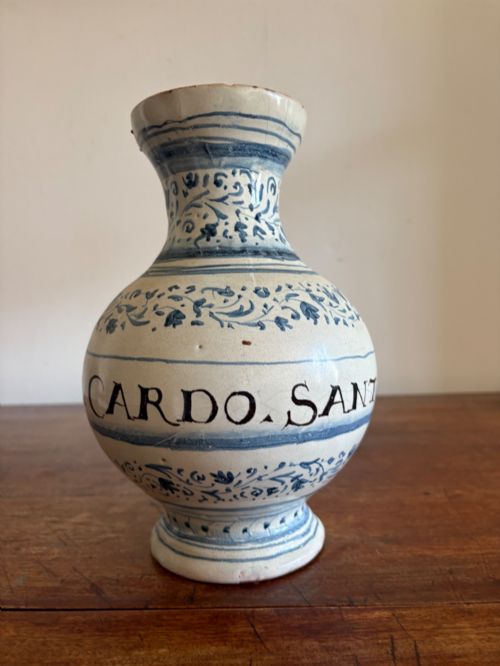
An antique ceramic apothecary jar serves as a tangible link to historical dispensaries and pharmacies, originally built to store dried herbs, syrups, and chemical preparations. When exploring this selection, buyers encounter distinct forms ranging from traditional cylindrical albarelos to handled wet drug jugs and lidded vases.
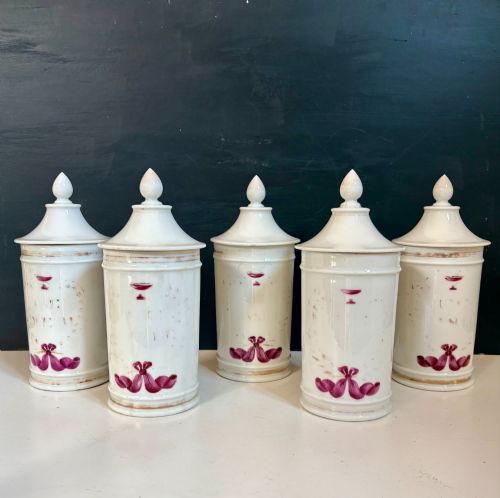
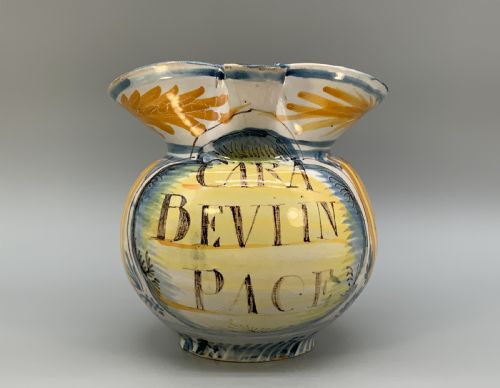
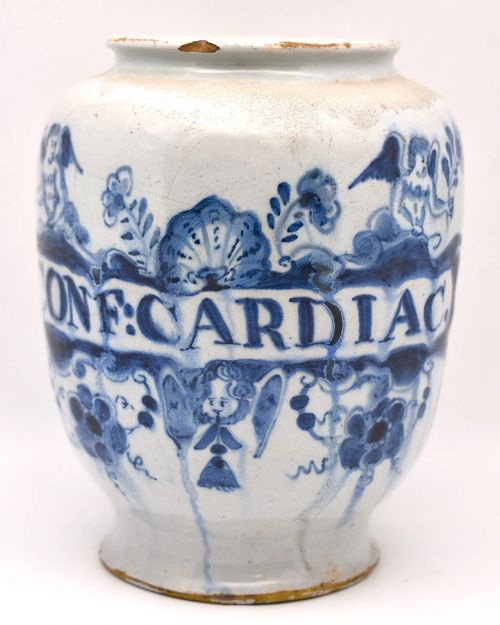
The objects appearing on this page span several centuries, with a strong representation of eighteenth-century Dutch and Italian manufacture alongside nineteenth-century Victorian pieces. These vessels often carry painted Latin inscriptions, apothecary abbreviations, or decorative motifs such as cherubs, shells, and polychrome glazes.
Makers utilised various regional styles, moving from seventeenth-century Savona majolica through Georgian English delftware to later nineteenth-century earthenware and porcelain production. Collectors select these items for their strong graphical lettering, rich mineral pigments, and historical domestic utility.
How they were made
Potters shaped these vessels primarily from earthenware and ceramic bodies, applying a tin glaze to create an opaque white or cream surface suitable for painting. Artisans then brushed cobalt pigment and polychrome colours directly onto the unfired glaze before the final kiln firing.
Forming techniques combined wheel-throwing for standard cylindrical and waisted albarelos with hand-modelling for spouts, handles, and separate lids. Some examples incorporated brass fittings or later conversions into table lamps during the Victorian period.
Listings feature earthenware, tin glaze, porcelain, and brass components across eighteenth and nineteenth-century periods.
What varies in quality
The refinement of the painted decoration dictates the distinction between standard utilitarian vessels and superior examples. Master painters achieved sharper linework in the Latin drug labels and more detailed execution in figurative motifs like cherubs.
Glaze consistency and pigment stability also separate pieces, where controlled firing temperatures prevent excessive running of cobalt blue and polychrome pigments. Intact original covers and well-preserved tin-glaze surfaces elevate the historical integrity of the piece.
Samuel Alcock and Co
The Antique Ceramic Apothecary Jar Glossary
- Albarello
- A cylindrical pharmacy jar designed with a waisted centre for a secure grip when stacked on shelves. This shape originated in the Middle East before becoming common in Italian majolica and Dutch delftware.
- Tin Glaze
- A lead glaze rendered opaque by the addition of tin oxide, providing a white background for painted decoration. It is characteristic of faience, delft, and majolica wares.
- Majolica
- Tin-glazed earthenware produced in Italy, celebrated for bright polychrome or cobalt blue painting. Potters utilised this technique extensively for apothecary vessels from the Renaissance onwards.
- Delftware
- Tin-glazed earthenware made in England or the Netherlands, often decorated in blue and white. Dutch and English delft drug jars frequently display abbreviated Latin contents labels.
- Wet Drug Jar
- A specific pharmacy vessel fitted with a spout and handle for holding liquid syrups, oils, and distilled waters. These contrast with dry jars that featured wide mouths for powders and herbs.
Antique Ceramic Apothecary Jar: Frequently Asked Questions
What were apothecary jars used for?
Apothecary jars stored dried herbs, powders, resins, and liquid medicines in historical dispensaries and chemist shops. Pharmacists relied on these vessels to protect sensitive medical ingredients from light and moisture.
The painted inscriptions on the exterior ensured rapid identification of specific remedies during daily dispensing. Over time, empty jars transitioned from working pharmacy equipment into decorative display items.
How do I identify an eighteenth-century jar?
Eighteenth-century examples typically feature tin-glazed earthenware bodies with hand-painted cobalt blue or polychrome Latin drug labels. The glaze often shows fine crazing and minor edge losses consistent with age.
Forming marks on the interior and hand-shaped bases provide further clues to early manufacturing methods. Comparing the typography of the inscription to period pharmacy records helps confirm the era.
What is the difference between wet and dry jars?
Wet jars include a spout and handle to facilitate the pouring of sticky syrups and liquid medications. They often bear labels prefixed with abbreviations like Syr for syrup.
Dry jars possess wide, straight-sided mouths designed to accommodate powders, dried roots, and solid preparations. Lids for dry jars rested on top rather than sealing a pouring spout.
How should I display apothecary jars at home?
These jars look best arranged on open wooden shelving or within glass-fronted cabinets where their painted labels remain visible. Grouping pieces by colour or period creates a strong visual display.
Keep them away from direct sunlight and damp environments to protect the historic tin glaze and pigment. Gentle dusting with a dry cloth maintains the surface without risking the glaze.