


Antique Apothecary Display Jar
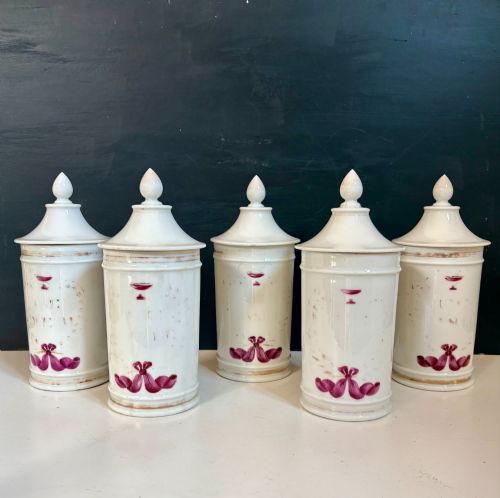
An antique apothecary display jar brings the tangible history of medicine into a room through striking glass or ceramic vessels.
Antique Apothecary Display Jar
An antique apothecary display jar encompasses storage vessels, chemist bottles, and carboys created to hold medicinal substances.
The selections span from 18th century delft and tin glaze vessels to Victorian and Edwardian glass examples.
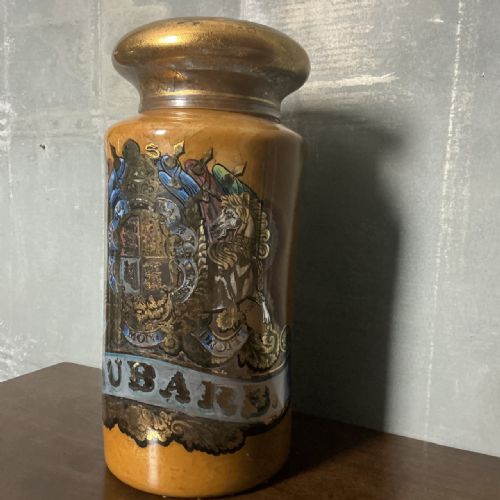
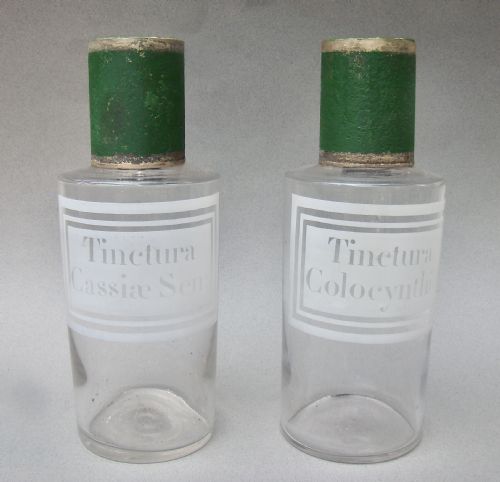
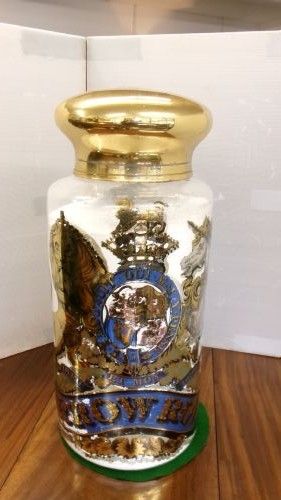
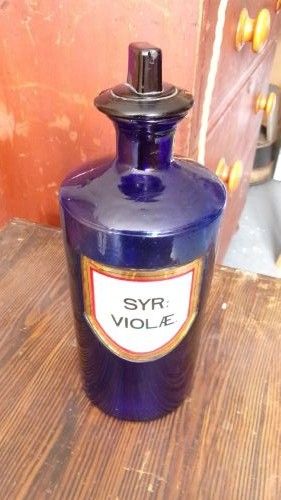
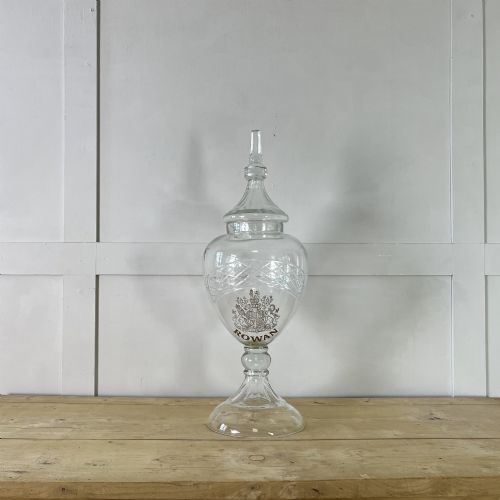
Buyers commonly encounter large lidded glass jars featuring labels for contents such as arrowroot or gelatine, alongside deep blue chemist bottles.
How they were made
Maker techniques rely heavily on blown and cut glass, often paired with gold leaf, paint, or enamel lettering applied to the surface.
Ceramic examples utilise tin glaze upon a delft body, reflecting traditional pottery methods of earlier centuries.
Some jars preserve the specific names of historical remedies like arrowroot and gelatine right across their glass fronts.
What varies in quality
Distinctions in quality rest on the clarity of the glass, the depth of colour in pieces like Bristol blue, and the crispness of any cut patterns.
The presence of original lids, stoppers, and well-preserved surface decoration distinguishes superior examples from simpler utilitarian containers.
The Antique Apothecary Display Jar Glossary
- Carboy
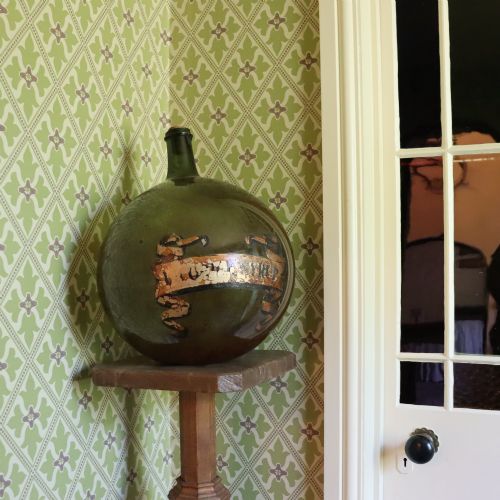
- A large globular glass bottle or jar often enclosed in protective housing or standing alone as a display piece. These substantial vessels held bulk liquids in dispensaries.
- Tin Glaze
- An opaque white pottery glaze containing tin oxide, providing a smooth surface for painted decoration. This technique defines the 18th century delft pieces.
- Cut Glass
- Glass decorated by grinding facets or patterns into the surface using a wheel. This method adds weight and brilliant light refraction to Victorian jars.
- Bristol Blue
- A deep cobalt blue glass traditionally produced in English West Country potteries and glasshouses. Chemist bottles utilise this intense colour to protect contents from light.
Antique Apothecary Display Jar: Frequently Asked Questions
What did apothecary jars hold?
These vessels stored dried herbs, powders, liquids, and specific medicinal preparations used by chemists and pharmacists.
Larger jars often sat on shop shelves while massive carboys stood in windows to signal the profession.
How do I date an apothecary jar?
Dating relies on stylistic clues, manufacturing techniques such as pontil marks, and the materials used.
Earlier pieces often feature tin glaze ceramics or heavy blown glass, whilst later Victorian and Edwardian examples show precise cutting and machine-finished rims.
Are original stoppers important?
Original stoppers and lids significantly contribute to the completeness and visual balance of the object.
Finding a jar retaining its matching lollipop stopper or fitted cover remains a notable advantage for collectors.
Where should I display a chemist jar?
These jars suit placement on deep windowsills or open shelving where natural light can pass through the glass.
Placing them away from high-traffic edges protects the heavier lidded vessels and carboys from accidental knocks.