



19th Century Chemist Jars
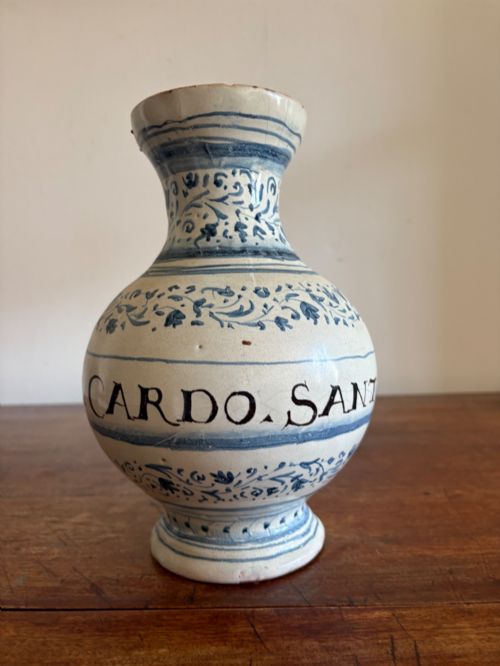
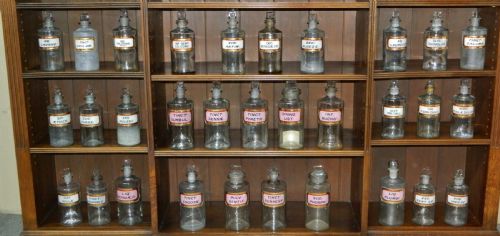
These 19th century chemist jars bring the tactile history of apothecary and pharmacy to a room through hand-blown glass, ceramic, and box wood.
19th Century Chemist Jars
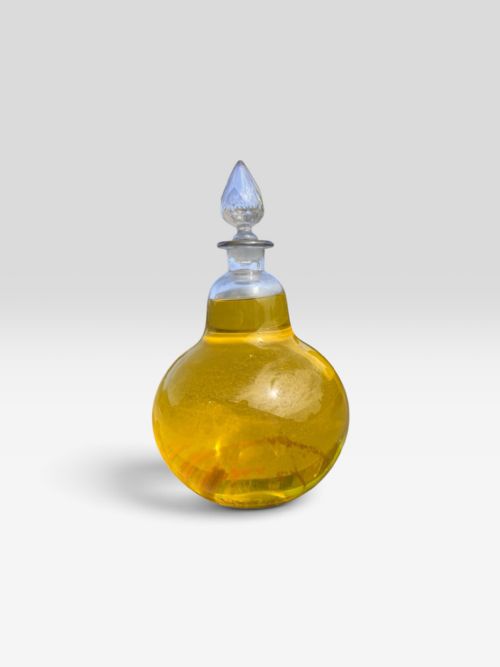
When you search for 19th century chemist jars, you encounter vessels that once held dry drugs, tinctures, and compounds in apothecaries and pharmacies. The forms include carboys, bottles, and lidded jars spanning the Victorian era, the 1850s, and earlier Georgian periods.
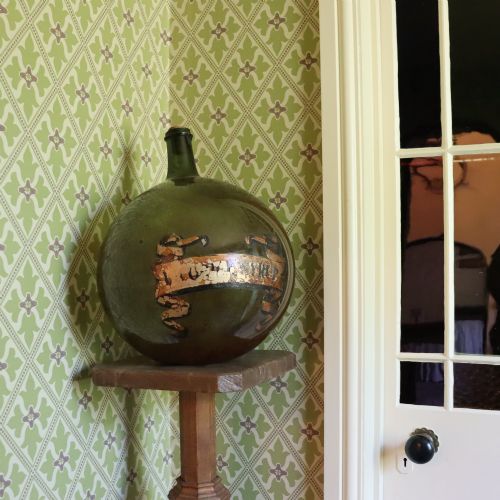
Most examples on this page are glass or ceramic pieces, sometimes found as matched sets or pairs. They range from large display carboys to smaller storage jars labelled for specific substances like honey or gelatine.
What varies in quality
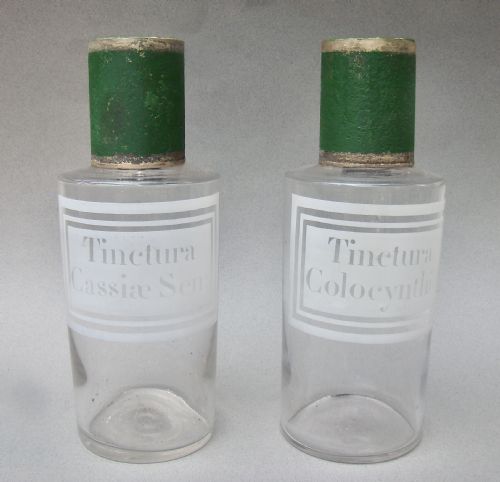
The standard of 19th century chemist jars depends largely on the crispness of the labelling, whether etched, painted, or gilded in gold leaf. Intact matching sets command greater interest than assembled groups of single bottles.
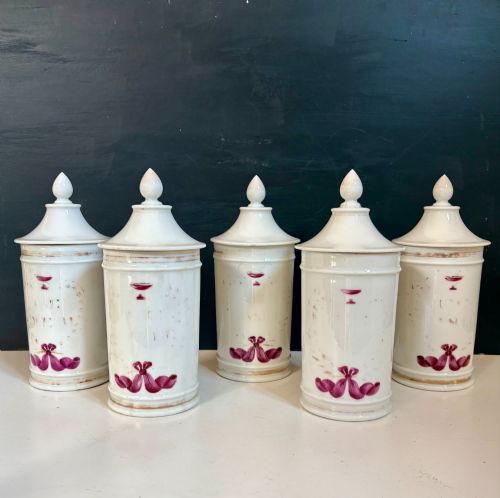
Clarity and colour depth in the glass distinguish finer carboys and tincture bottles, whilst ceramic pieces are judged by the preservation of their glaze and the detail of their hand-painted decoration.
One jar is specifically labelled for gelatine, preserving the sticky administrative reality of the Victorian dispensary.
Samuel Alcock and Co
The 19th Century Chemist Jars Glossary
- Carboy
- A large glass vessel used in laboratories and pharmacies for holding liquids. They often feature blown glass bubbles and pontil marks on the base.
- Tincture bottle
- A smaller glass bottle designed to hold alcoholic solutions of medicinal substances. These typically include stoppers and labelled panels.
- Majolica
- A type of Italian tin-glazed earthenware decorated with colourful pigments. Pieces often display blue and white palettes on apothecary forms.
- Pontil mark
- The scar left on the bottom of hand-blown glass where the punty rod was attached. Its presence indicates traditional manufacturing methods.
19th Century Chemist Jars: Frequently Asked Questions
What did chemist jars actually store?
These vessels held dry powders, herbs, honey, gelatine, and liquid tinctures used in compounding medicines. Pharmacies displayed them on shelves to organise stock.
Larger carboys sat in windows or on counters to draw the eye of the customer passing by.
How do I clean glass apothecary jars?
Warm water and a soft cloth usually suffice for glass surfaces. Avoid harsh abrasives that might damage surface etching or residual paper labels.
Wooden or paper-labelled vessels require dry dusting rather than immersion in water to preserve the materials.
Are bottle stoppers usually original?
Stoppers frequently become separated from their matching bottles over long periods of use. Finding a jar with its original fitted stopper adds to its integrity.
Many examples survive without stoppers, particularly those intended for dry contents or large carboys.
How do I distinguish Georgian from Victorian jars?
Georgian pieces often display earlier blown glass characteristics with deeper pontil scars and heavier proportions. Victorian examples frequently incorporate sharper moulded details and varied labelling methods.
Stylistic cues in the ceramics and lettering styles help separate the earlier 1800s pieces from late 19th-century production.