


Antique Pharmacy Storage Jars
Antique pharmacy storage jars are utilitarian vessels of glass, ceramic, and wood that bring historic apothecary character to any room.
Antique Pharmacy Storage Jars
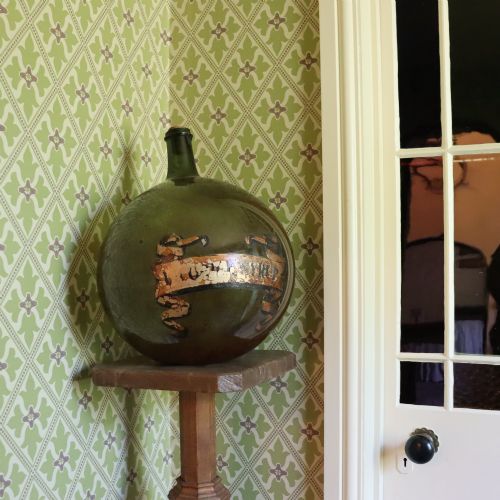
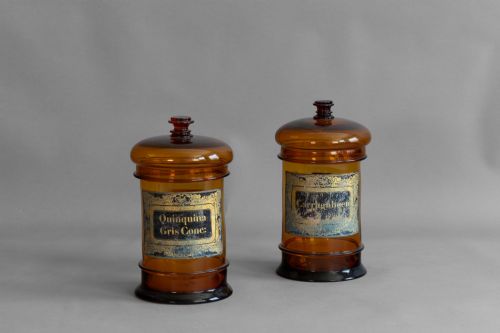
When you search for antique pharmacy storage jars, you are looking at utilitarian vessels created to hold medicines, dry ingredients, and liquids in dispensaries and chemists' shops. These containers range from grand glass carboys and display jars to smaller ceramic drug jars and lidded vessels used for specific substances like arrowroot or gelatine.
The pieces you are most likely to meet on this page come primarily from the nineteenth century, alongside earlier examples from the eighteenth century and occasional twentieth-century Scandinavian sets. They appear in forms such as apothecary jars, apothecary vessels, wet drug jugs, and box wood containers, reflecting the diverse storage needs of historic apothecaries.
How they were made
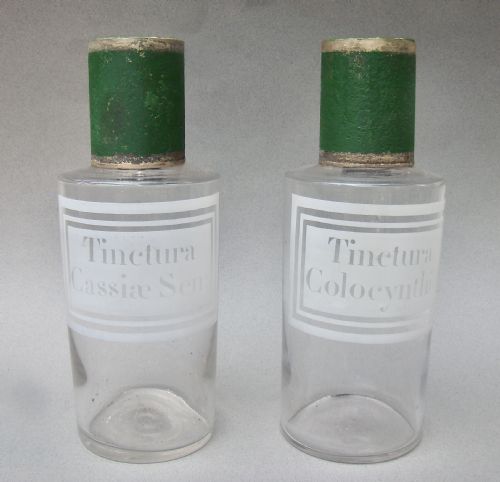
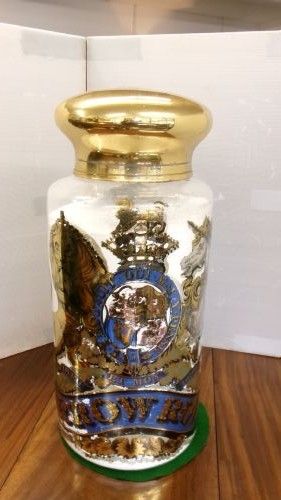
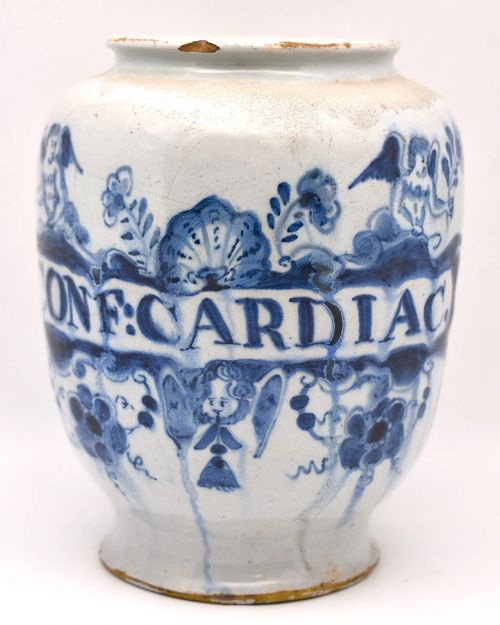
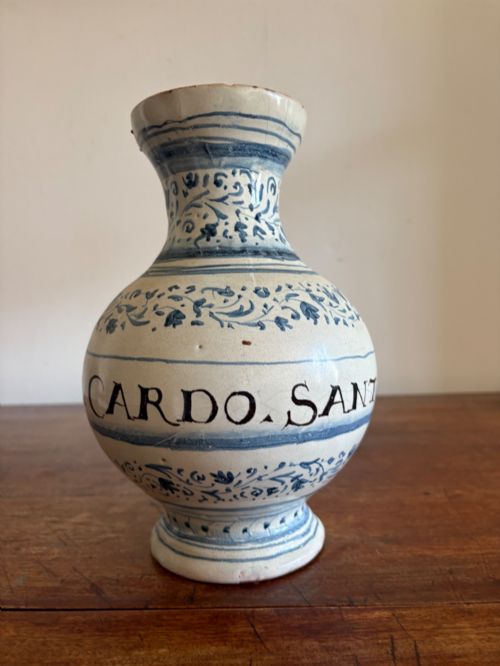
Makers shaped these storage jars using traditional methods suited to glass, ceramic, and box wood, often incorporating lead glass, earthenware, porcelain, and tin-glaze. Artisans applied hand-painted details, gold leaf lettering, and polychrome glazes directly to the surfaces to label the contents clearly.
Listings feature materials including glass, porcelain, earthenware, and box wood, alongside decorative elements like gold leaf, paint, and tin-glaze.
What varies in quality
The distinction between ordinary and exceptional pharmacy storage jars lies in the crispness of the hand-painting, the clarity and depth of the glass, and the survival of original lids and covers. Intricate gold leaf work, sophisticated polychrome tin-glaze designs, and detailed etching elevate a utilitarian container into a work of decorative art.
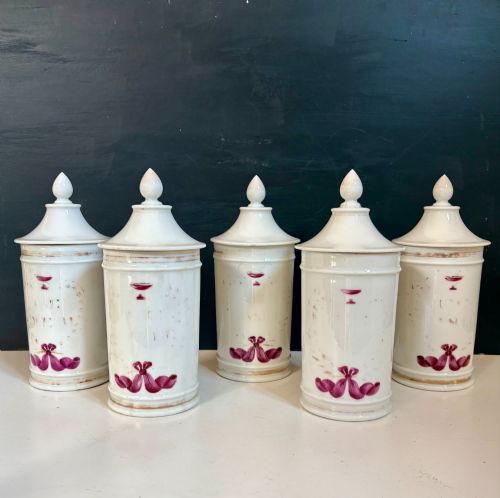
Sets with matching elements and uniform wear demonstrate a higher level of original commissioning for a specific chemist or pharmacy interior, whereas mismatched individual vessels offer simpler utility and varied regional manufacture.
Samuel Alcock and Co
The Antique Pharmacy Storage Jars Glossary
- Carboy
- A large glass bottle or vessel, often enclosed in protective wicker or left plain, used in pharmacies for holding bulk liquids.
- Drug jar
- A ceramic or earthenware vessel specifically designed to store dry medicinal substances, frequently labelled with the name of the contents.
- Tin-glaze
- A pottery glaze containing tin oxide that produces an opaque white surface, common on eighteenth-century Italian and English delftware jars.
- Wet drug jug
- A specialised ceramic container with a spout and handle designed for liquid medicines and syrups.
- Etched glass
- Glass decorated by applying acid or mechanical abrasion to create frosted designs or lettering on the surface.
Antique Pharmacy Storage Jars: Frequently Asked Questions
What did pharmacies store inside these jars?
Apothecaries used these jars to hold dry roots, powders, gelatine, arrowroot, and various medicinal compounds required for daily dispensing. Labelled containers ensured the pharmacist could quickly locate specific ingredients during busy dispensary hours.
Larger vessels and carboys held bulk liquids and syrups, whilst smaller lidded pots protected sensitive substances from moisture and light.
How do I date an apothecary jar?
Dating relies on observing the manufacturing technique, material composition, and style of lettering or decoration. Eighteenth-century examples often feature tin-glazed earthenware with hand-painted blue and white or polychrome drug labels.
Nineteenth-century pieces frequently utilise blown glass with etched lettering, gilt accents, or box wood construction, whilst twentieth-century sets show Scandinavian painted finishes.
Can I use these jars for modern storage?
These historic vessels function well for decorative display or for holding dry household items. Many retain their original covers, which helps protect the internal space.
Care should be taken with antique glass and tin-glazed ceramics to avoid abrasive cleaning agents that might damage historic painted surfaces or gold leaf.
Why do some jars have painted labels?
Painted labels allowed the apothecary to identify the contents instantly without relying on paper labels that could peel or degrade over time. Artisans executed these inscriptions in bold script, sometimes incorporating Latin pharmaceutical names.
On glass jars, the lettering was often etched or applied in gold leaf, whilst ceramic vessels received underglaze painting before firing.