

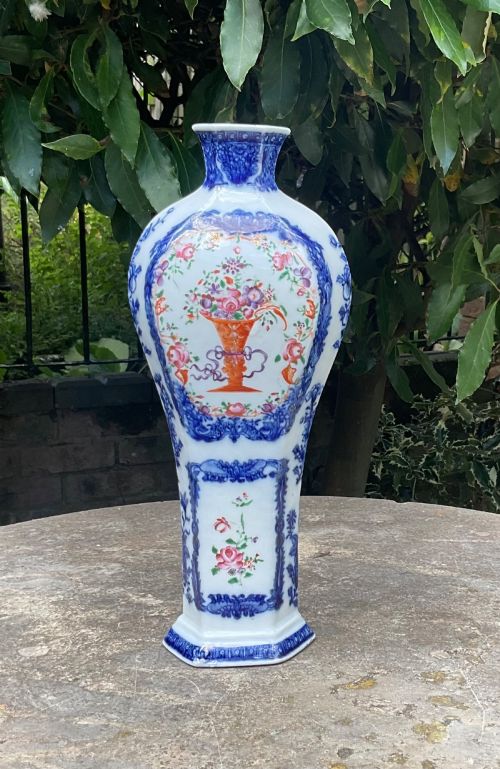
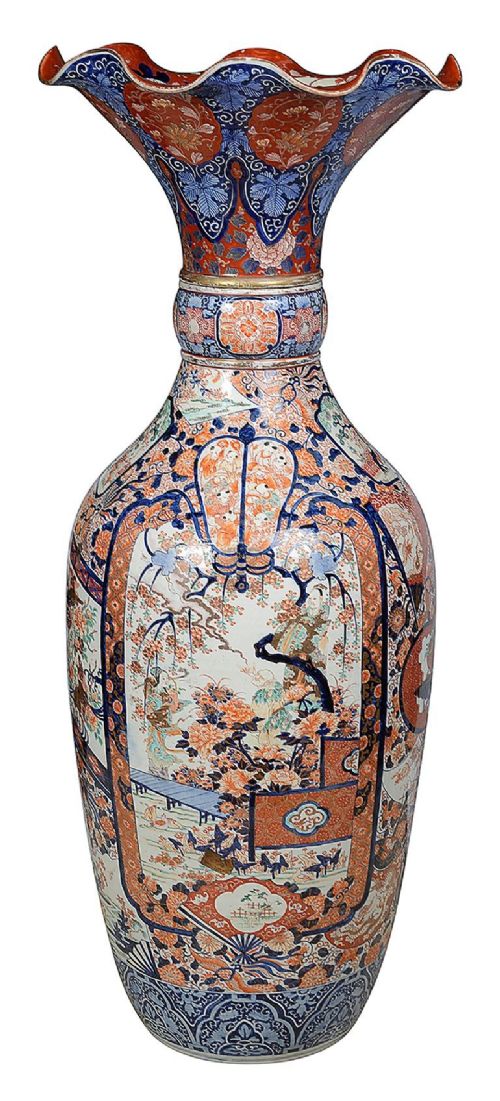

Hand Painted Jar
When you search for a hand painted jar, you encounter vessels of porcelain, earthenware, and glass shaped into ginger jars, tea caddies, and apothecary containers across centuries of global tradition.
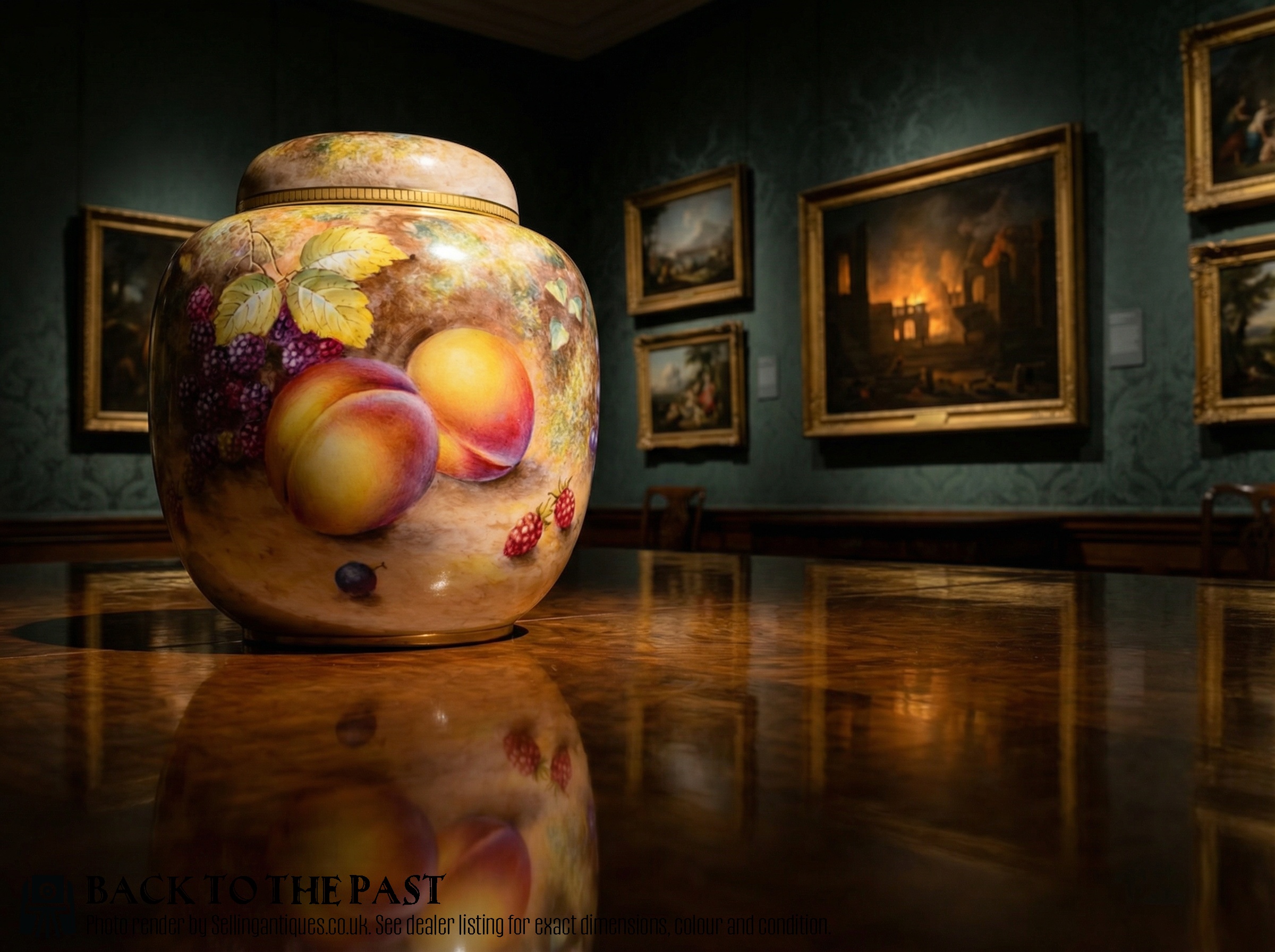
Hand Painted Jar
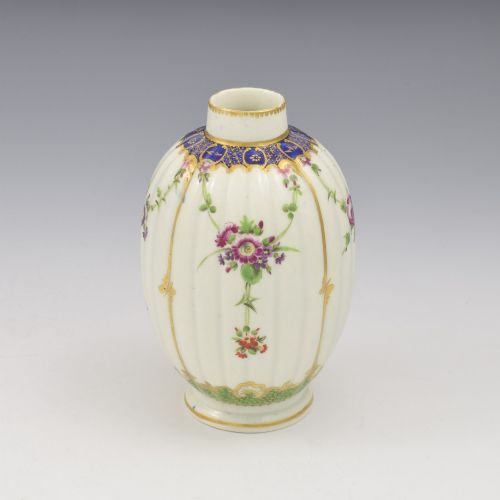
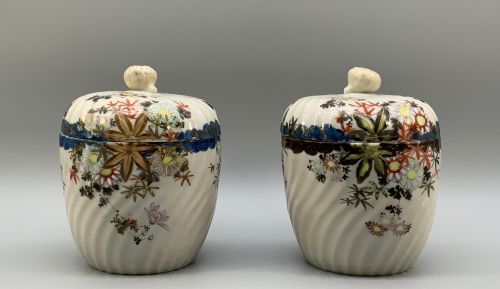
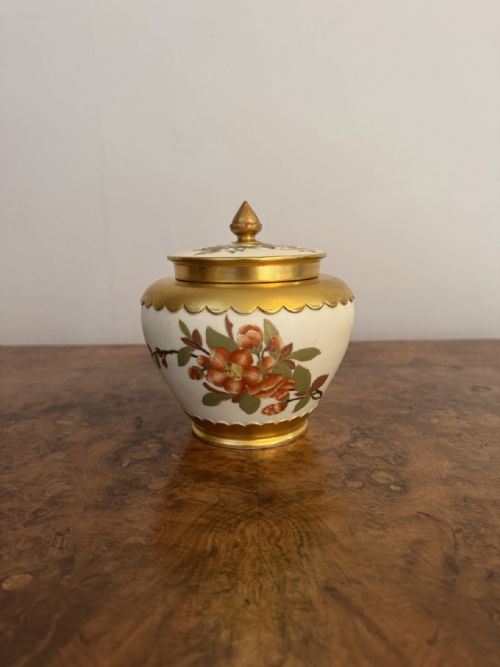
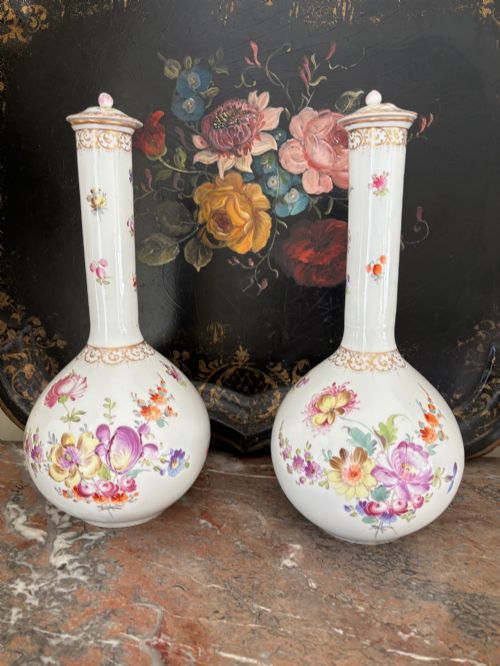
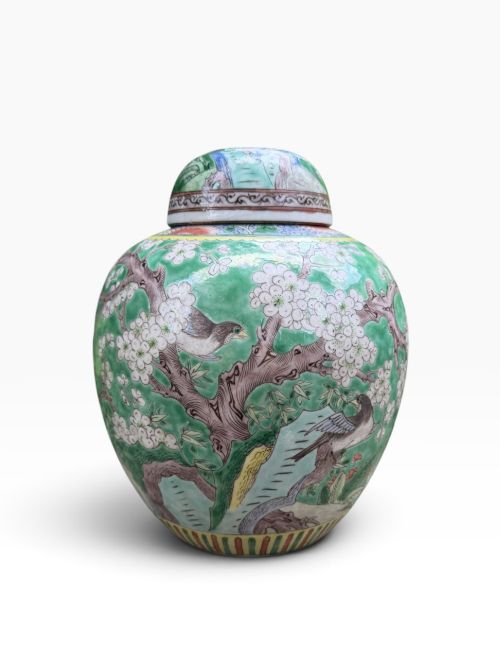
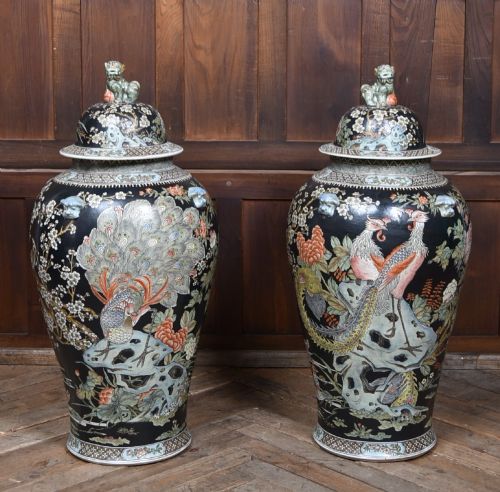
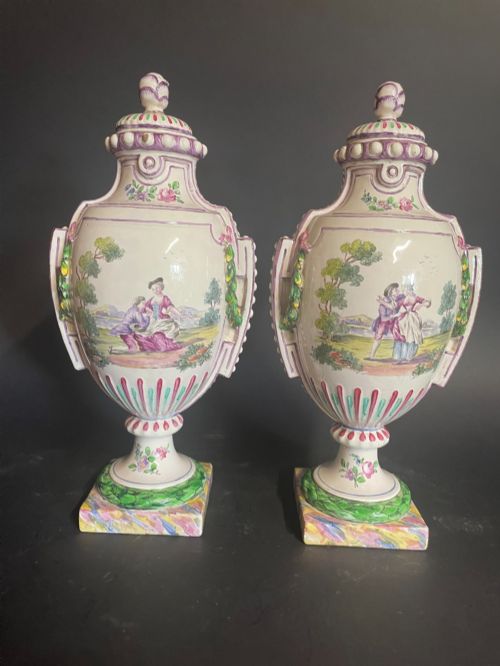
A hand painted jar encompasses a diverse array of lidded containers, tea caddies, ginger jars, and apothecary vessels originating from diverse global centres of ceramic production. These objects reflect both utilitarian storage purposes and purely decorative ambitions, varying from domestic apothecary shelves to formal Oriental drawing rooms.
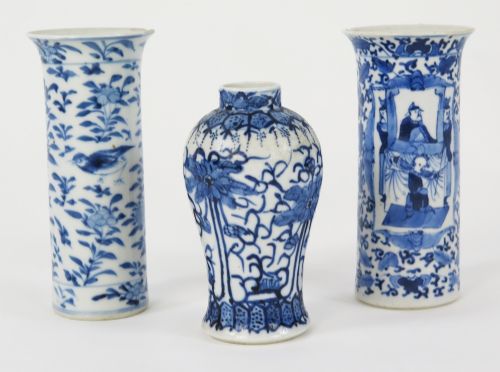
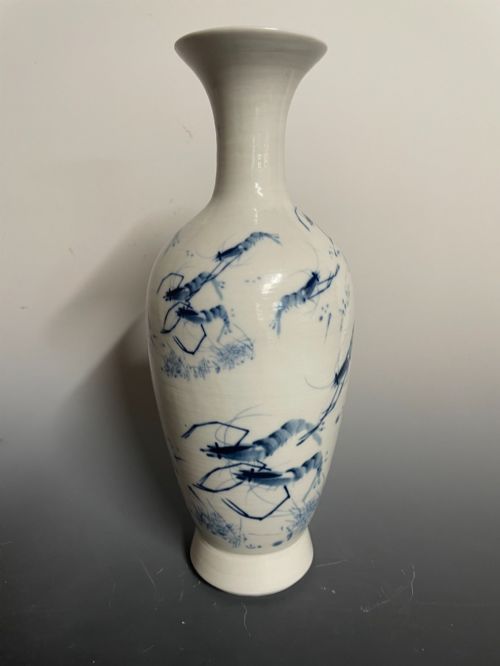
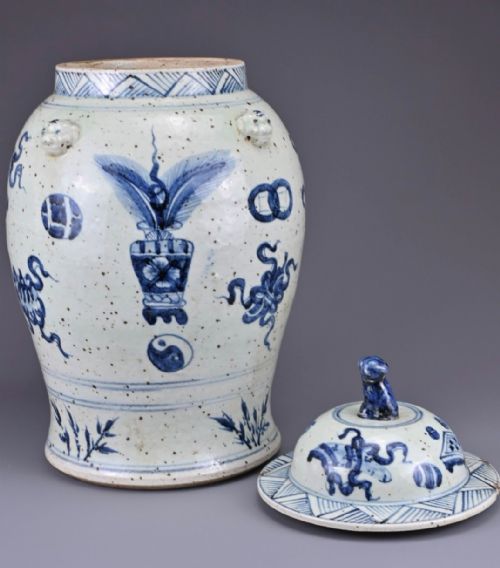
The pieces on this page span several centuries, with a strong representation of nineteenth-century examples alongside eighteenth-century exports and early twentieth-century creations. Buyers frequently encounter Japanese Imari wares, Chinese blue and white porcelain, and European earthenware pieces bearing floral, figurative, or abstract painted motifs.
How they were made
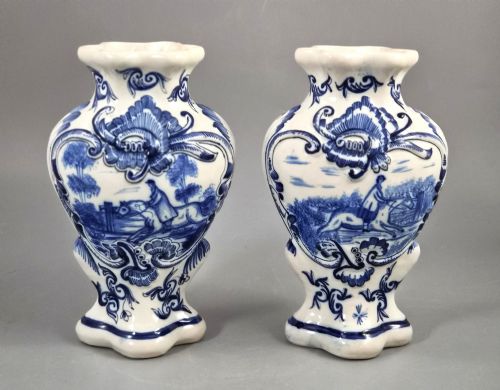
Makers utilised ceramic bodies including porcelain, earthenware, and tin-glazed faience, shaping them on the wheel or forming them in moulds before applying mineral pigments directly to the surface. Many vessels received a transparent or opaque glaze over the painted decoration to seal the pigments prior to a high-temperature kiln firing.
Certain traditions incorporated overglaze enamel painting, gold leaf detailing, and intricate polychrome brushwork executed by hand. Glass containers relied on free-blowing or mould-blowing techniques combined with surface enamelling to achieve their decorative effect.
Apothecary jars once stored arrowroot and herbal remedies, turning ancient medicine shelves into cheerful displays of bright lettering and painted lids.
What varies in quality
The standard of a hand painted jar is determined by the precision and confidence of the brushwork, where fluid, masterly strokes distinguish superior artistic output from mechanical or hurried decoration. The depth of the glaze, the clarity of the polychrome or blue and white pigments, and the harmony between form and painted surface govern the standing of an individual piece.
The refinement of the ceramic body and the crispness of moulded or thrown details further separate standard production wares from pieces commissioned for high-status European and Asian markets. Well-preserved gilding and intact original lids contribute significantly to the integrity of antique examples.
Royal Worcester·Sitzendorf·Doulton Lambeth·Dresden·Fourmaintraux-Courquin
The Hand Painted Jar Glossary
- Ginger jar
- A ceramic vessel characterised by a wide shoulders tapering base and a fitted lid, historically utilised for the storage of spices or preserves.
- Imari
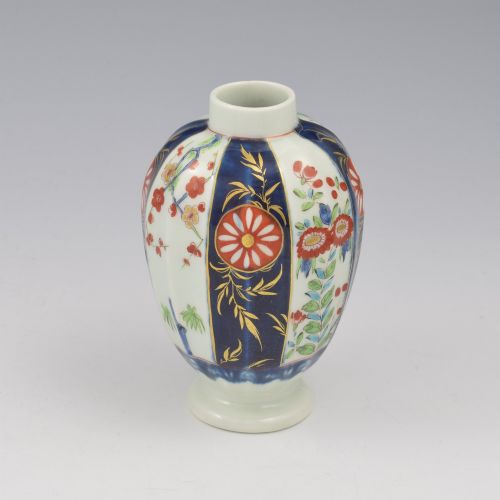
- A style of Japanese porcelain decorated in underglaze blue and overglaze iron red, gold, and secondary colours, originating from the town of Arita.
- Tin-glazed earthenware
- Pottery covered with a white tin-oxide glaze that provides an opaque surface for painted ceramic decoration, encompassing styles such as Delftware and Faience.
- Tea caddy
- A small lidded container designed specifically for the dry storage of loose tea leaves within domestic interiors.
- Famille rose
- A Chinese porcelain palette introduced in the Qing dynasty distinguished by opaque pink or purple enamel colours alongside a range of softer hues.
Hand Painted Jar: Frequently Asked Questions
How do I identify Chinese export porcelain?
Export pieces display decorative motifs and shapes specifically tailored to satisfy European tastes while maintaining traditional Eastern manufacturing techniques. They often feature classic blue and white patterns or famille rose enamelling.
Examining the paste, glaze pooling, and base markings helps distinguish export wares from domestic pieces made strictly for local use.
How should I clean antique painted glass?
Painted glass requires gentle handling with a soft, dry cloth to remove dust without disturbing delicate surface enamels. Moisture can damage vulnerable pigments and nineteenth-century gilding.
Avoid liquid cleaners entirely and keep these pieces away from direct sunlight to preserve the integrity of the original decoration.
What is Japanese Imari?
Imari refers to Japanese porcelain exported from the port of Arita, recognised by a distinct palette of underglaze blue, iron red, and added gold highlights. Artisans painted intricate floral and geometric panels directly onto the ceramic body.
These wares gained immense popularity across Europe during the seventeenth and eighteenth centuries, prompting numerous local imitations.