
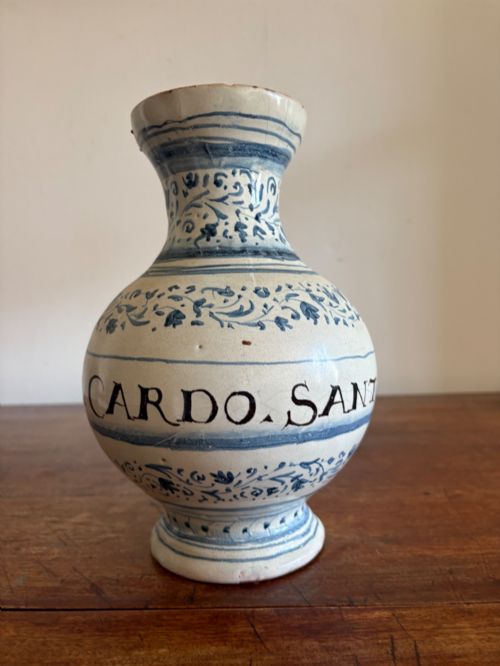


White Ceramic Pharmacy Jar
These white ceramic pharmacy jar examples are historical vessels of medicine and apothecary practice, prized for their painted drug labels and tin-glazed surfaces.
White Ceramic Pharmacy Jar
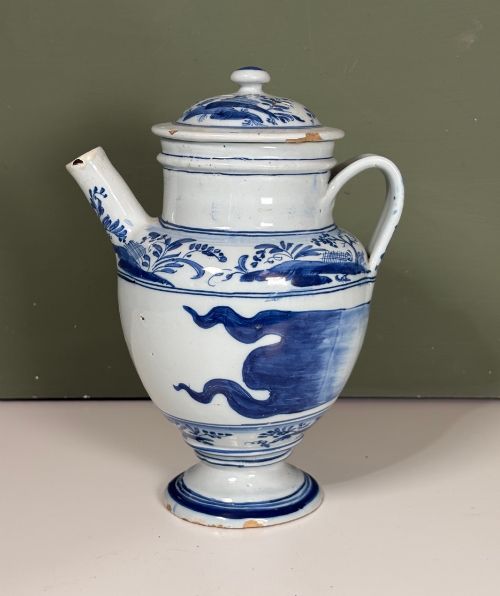
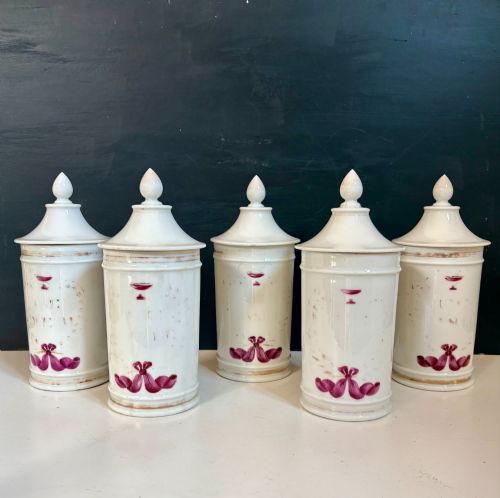
When you examine a white ceramic pharmacy jar on this page, you encounter vessels produced across the seventeenth, eighteenth and nineteenth centuries in English, Dutch and Italian workshops. These containers served apothecaries and chemists for holding dry drugs, wet syrups and medicinal ointments.
The selections span distinct regional forms, featuring English delftware drug jars alongside continental faience and majolica pieces. Collectors most frequently meet traditional cylindrical albarello shapes, handled wet drug jugs, and handled apothecary jars bearing painted Latin inscriptions or pictorial cartouches.
What varies in quality
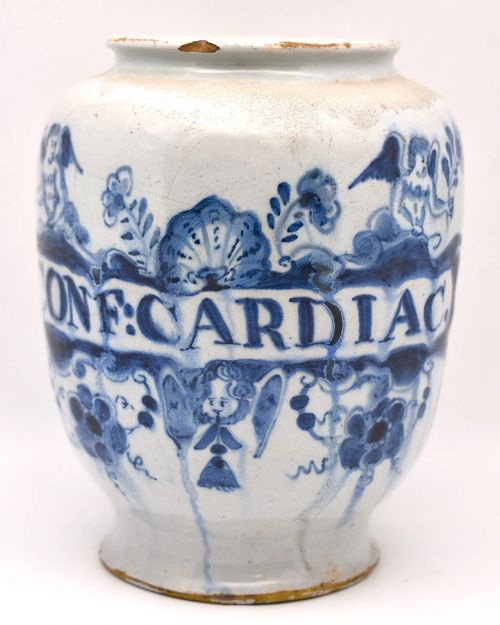
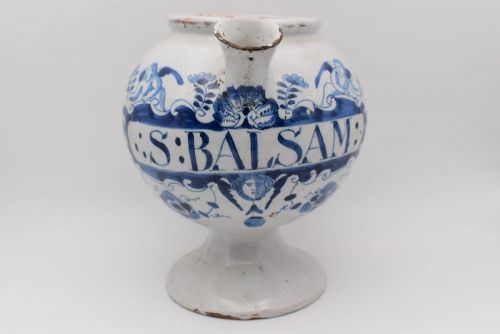
The distinction between ordinary utility containers and superior examples lies in the execution of the hand-painted decoration and the clarity of the cobalt or polychrome pigments. Crisp lettering, detailed cartouches with cherubs and shells, and well-balanced proportions elevate certain jars above standard pharmacy stock.
Survival of the original glaze integrity and the preservation of early inscriptions, such as specific drug names or dates, determine the standing of each piece. Finer specimens display a controlled application of tin glaze over the earthenware body without excessive pooling or heavy crazing.
Historical apothecaries labelled jars with cryptic Latin names so patients could not steal the recipes.
The White Ceramic Pharmacy Jar Glossary
- Albarello
- A cylindrical apothecary jar shape designed with an indented waist for gripping, originating in the Middle East and adopted by European majolica makers. This form kept dry drugs accessible on apothecary shelves.
- Tin-Glaze
- A ceramic glaze made opaque by the addition of tin oxide, providing a white background for painted decoration. This technique defines delftware, faience and majolica.
- Majolica
- Italian tin-glazed earthenware decorated with metallic oxide colours on a white ground. These pieces often feature historical styles ranging from Renaissance to Baroque.
- Delftware
- English or Dutch tin-glazed earthenware produced from the seventeenth century onwards. It frequently utilises cobalt pigment for blue and white designs.
- Wet Drug Jar
- An apothecary container featuring a spout or wide mouth designed to hold liquid syrups, oils and medicinal waters. These vessels often include handles for pouring.
White Ceramic Pharmacy Jar: Frequently Asked Questions
What were pharmacy jars used for?
These jars stored dry drugs, medicinal herbs, powders, and liquid syrups in apothecary shops and dispensaries. Their labelled surfaces ensured chemists could quickly identify the contents during preparation.
Over time, many vessels transitioned from active medical use into decorative objects displayed in cabinet collections or interiors.
How do I clean my ceramic jar?
Dust the tin-glazed surface gently with a soft, dry cloth to remove accumulation without disturbing the glaze. Avoid using water, detergents or chemical cleaners on porous historical earthenware.
Keep the jar away from direct moisture and fluctuating humidity to protect the ancient ceramic body and painted inscriptions.
How can I tell English delftware from Italian majolica?
English delftware typically employs softer blue cobalt pigments on a slightly thicker earthenware body with characteristic glazing traits. Italian majolica often displays distinct regional palette choices, including polychrome details and specific stylistic influences.
Examining the foot ring, glaze tone, and lettering style helps clarify the origin of each piece.
What is an albarello shape?
An albarello is a straight-sided, waisted cylindrical jar designed so apothecaries could stack or handle multiple containers efficiently. The pinched waist allowed workers to lift the jar securely even when fingers were slightly damp.
This iconic pharmacy form appears frequently across seventeenth and eighteenth-century European pottery traditions.
Why do some jars have Latin names?
Apothecaries used abbreviated Latin inscriptions to identify specific medical compounds, syrups and dry ingredients accurately. These painted labels prevented errors in the dispensary and standardise the preparation of remedies.
Common inscriptions include references to plant extracts, balsams and specific pharmaceutical mixtures.