



Labelled Apothecary Jars
Labelled antique apothecary jars bring the rich history of the nineteenth-century dispensary directly into the modern home with their distinctive labels and tinted glass.
Labelled Apothecary Jars
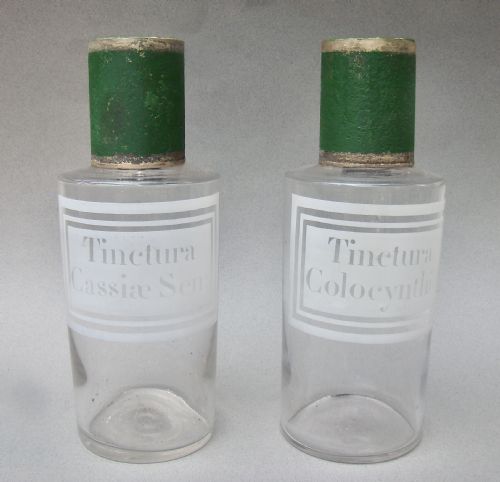
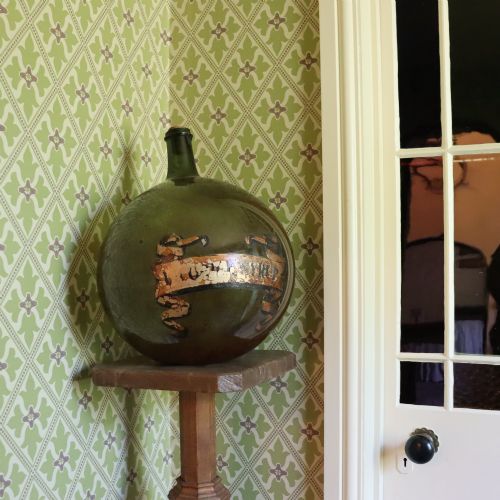
Labelled antique apothecary jars are functional vessels that originally held medical compounds, powders, and liquids in nineteenth-century pharmacies and dispensaries. Buyers seeking these items will encounter various forms ranging from large carboys to smaller chemist bottles and covered jars.
The pieces available on this page belong primarily to the nineteenth century, including Victorian examples and French nineteenth-century items. Common materials span clear glass, cobalt glass, and green glass, often complemented by paper, gold leaf, enamel, or painted labels.
How They Were Made
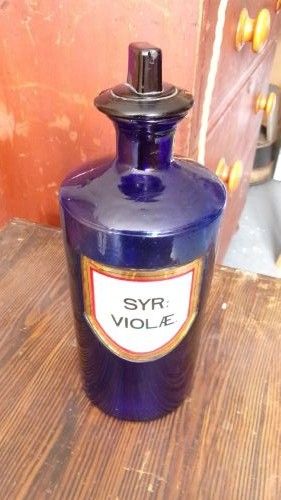
These vessels rely on traditional glassblowing techniques, producing characteristic variations in thickness and form across individual bottles and jars. Stoppers, such as lollipop stoppers on Bristol blue chemist bottles, were shaped by hand to fit specific necks.
Labels applied to these jars utilise diverse methods recorded in the evidence, including etching directly into the glass, applying gold leaf, or attaching paper and enamel markers. Such techniques secured the identification of medicinal contents within working dispensaries.
Current listings feature nineteenth-century and Victorian pieces utilising glass, gold leaf, paper, enamel, and metal.
What Varies in Quality
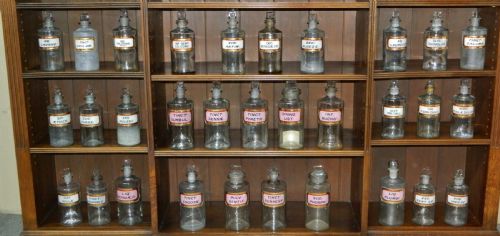
Quality in labelled antique apothecary jars rests upon the clarity and preservation of the original labeling, whether etched, painted, or rendered in gold leaf. Intact matching pairs or large sets command distinct interest compared to solitary examples.
The depth of colour in tinted pieces, such as Bristol blue or green glass, alongside the presence of original matching stoppers, elevates the visual weight of the vessel. Superior examples retain their original surface character without obscuring the historical manufacturing marks.
The Labelled Apothecary Jars Glossary
- Carboy
- A large glass vessel with a narrow neck, historically used for holding liquids in bulk within a dispensary. These sizable pieces often served as window displays for chemists.
- Bristol Blue
- A deep cobalt blue glass traditionally produced in the Bristol area during the eighteenth and nineteenth centuries. This striking colour protected sensitive compounds from light.
- Lollipop Stopper
- A glass closure featuring a flat, circular disc top resembling a lollipop, designed to seal chemist bottles securely. They are frequently found on nineteenth-century apothecary storage vessels.
- Etched Glass
- Glass decorated by applying acid or mechanical tools to carve designs or labels directly into the surface. This technique created permanent markings that resisted the wear of dispensary use.
Labelled Apothecary Jars: Frequently Asked Questions
What did apothecary jars hold?
Apothecary jars held various medical drugs, dried herbs, chemicals, and liquid remedies used by nineteenth-century chemists and pharmacists in their daily practice.
Larger vessels often contained stock solutions or served as window displays, while smaller bottles held specific compounds ready for dispensing to patients.
How do I date these jars?
Dating relies on examining manufacturing techniques such as pontil marks, glass coloration, and the style of the lettering on the labels. Nineteenth-century pieces typically exhibit hand-blown characteristics rather than uniform modern machine production.
Stylistic cues, including Victorian design motifs and specific French nineteenth-century label formats, also help narrow the period of origin.
Are the stoppers original?
Determining whether a stopper is original involves inspecting the glass colour, wear patterns, and fit within the neck of the jar. Hand-ground stoppers were made specifically for individual bottles during production.
Matching wear and identical glass tint between the stopper and the vessel strongly indicate that they have remained together since the nineteenth century.
How should I display them?
These jars look best placed near natural light sources that highlight the depth of coloured glass like Bristol blue or green variants. Shelving in kitchens, studies, or living spaces allows the historical labels and forms to stand out clearly.
Grouping sets or pairs creates a stronger visual impact than scattering solitary bottles across a room.