



Antique Glass Medicine Bottles
Antique glass medicine bottles are functional apothecary vessels that bring tactile history and rich colour to a modern interior.
Antique Glass Medicine Bottles
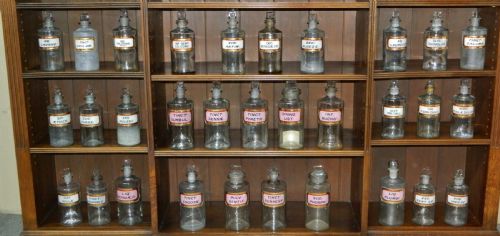
When you search for antique glass medicine bottles, you encounter practical vessels designed for pharmacists, chemists, and home medicine chests during the Georgian, Victorian, and Regency periods. The forms range from simple individual phials to complete sets housed within fitted mahogany boxes and cabinets.
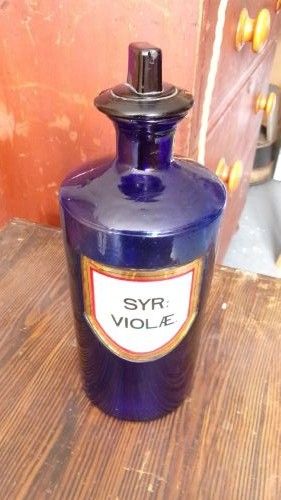
You are most likely to meet individual apothecary bottles and larger chemists jars alongside complete travelling cases containing their original glass contents. These pieces span the nineteenth century and often feature distinct coloured glass, including deep cobalt and Bristol blue.
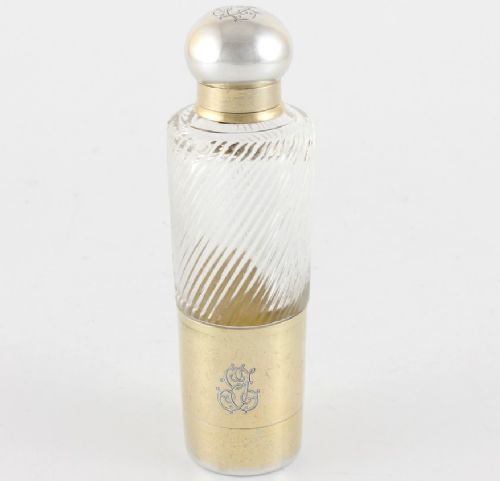
The selection also includes related items such as vanity flasks and carved snuff bottles that share the same period craftsmanship. These containers served a strictly utilitarian purpose in medical storage, yet they survive today as decorative cabinet pieces.
How they were made
The bottles themselves are shaped from glass, utilising techniques that produce rich hues like cobalt and green, often finished with polished stoppers. Many examples are paired with fitted cases constructed from mahogany, sometimes accented with brass hardware and paper labels.
Interiors of the accompanying boxes utilise velvet linings and gold leaf details to secure the glass vessels safely in transit. Certain pieces incorporate cut glass and delicate hand-carved elements, reflecting the high standard of period manufacture.
Materials recorded across the inventory include mahogany, brass, paper, velvet, gold leaf, cobalt glass, cut glass, and rock crystal.
What varies in quality
The distinction between standard examples and superior pieces rests on completeness and the survival of original elements like stoppers, labels, and fitted wooden boxes. Sets that retain their full complement of bottles within a mahogany chest command greater attention from collectors.
Material depth and colour intensity also set finer vessels apart, with rich Bristol blue and cobalt glass representing the more striking end of the range. The integration of auxiliary materials such as brass fittings, paper labels, and velvet linings elevates the overall character of the piece.
Tonnel Paris
The Antique Glass Medicine Bottles Glossary
- Apothecary bottle
- A glass vessel used by chemists to store medicinal compounds and liquids. These pieces often feature ground glass stoppers to maintain an airtight seal.
- Bristol blue
- A deep, vibrant cobalt-coloured glass produced in England. This material was widely favoured for apothecary containers to protect light-sensitive contents.
- Campaign box
- A portable wooden chest designed for travel, featuring recessed brass handles. Fitted versions securely house glass medicine bottles and small drawers for scales.
- Lollipop stopper
- A flat, rounded glass stopper resembling a lollipop, commonly found on nineteenth-century chemists bottles. It provides a secure grip for frequent removal.
- Snuff bottle
- A small container used to hold powdered tobacco, often highly carved from materials like rock crystal. These miniature pieces are distinct from medical phials but share display appeal.
Antique Glass Medicine Bottles: Frequently Asked Questions
How were antique medicine bottles used?
These glass vessels stored liquid medicines, powders, and chemical compounds in apothecary shops, hospitals, and domestic households. Pharmacists relied on them for safe daily dispensing.
Travelling doctors and households also kept fitted wooden chests containing multiple phials for emergencies on the road. The airtight stoppers ensured active ingredients remained potent during storage.
How do I display antique glass medicine bottles?
Grouping bottles by colour, such as deep blue or green glass, creates a striking visual impact on a windowsill or within a lit cabinet. The translucent quality catches natural light effectively.
Complete apothecary boxes and cabinets can be placed on sideboards or desks, allowing the fitted interior and glass contents to be viewed together. Keeping sets intact preserves their historical context.
How do I date a medicine bottle?
Dating relies on manufacturing traits, such as pontil marks on the base, glass colour, and the shape of the lip or neck. Earlier Georgian pieces differ noticeably in handle and box construction from later Victorian examples.
The presence of original paper labels, specific typography, and fitted mahogany boxes with brass hardware also helps narrow the period of origin.
Are original stoppers important?
Matching original stoppers greatly enhance the integrity and visual balance of an antique bottle. Many were ground to fit a specific neck during production.
Finding a set where all stoppers match and survive increases the interest for a collection. Replacements are common, so original matching glass remains desirable.