



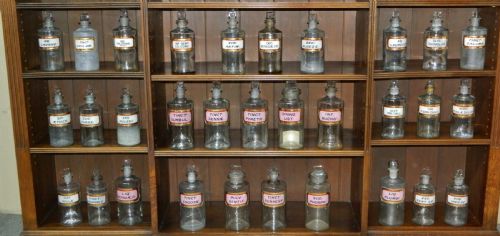

Clear Glass Apothecary Jar
These clear glass apothecary jar examples are heavy utilitarian vessels of pharmacy and shop display, sought after for their honest historic interiors.

What these pieces are
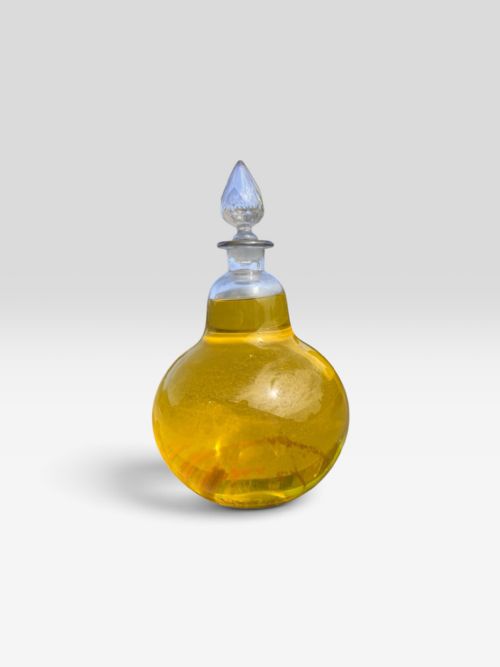
A clear glass apothecary jar is a functional storage container originating from chemist shops, pharmacies, and dispensaries. When you search for clear glass apothecary jar, you encounter pieces designed to hold dry drugs, tinctures, pickles, or powders.
The selections available span several distinct historical eras, including the Georgian, Victorian, and Edwardian periods. Alongside domestic English examples, the record includes French specimens from around 1890.
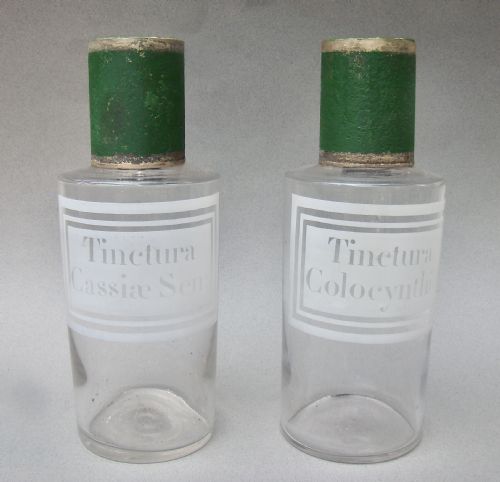
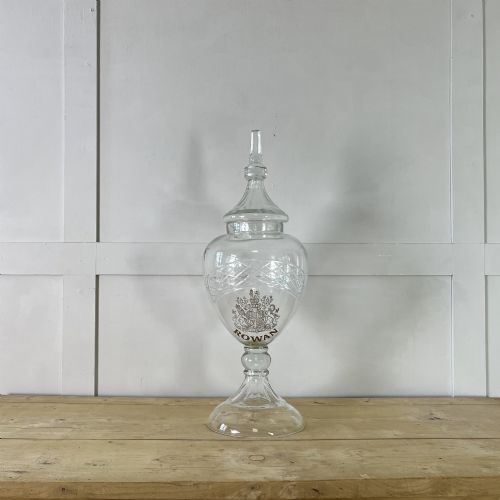
Common utilitarian forms include pickle jars, large display vessels with covers, tincture bottles, and chemist or pharmacy bottles. Most examples are identified simply as glass apothecary jars or glass gelatine jars.
How they were made
These vessels are primarily formed from clear glass, utilising traditional glassblowing and moulding techniques appropriate to the nineteenth and early twentieth centuries. Certain pieces incorporate cut glass methods to create faceted surfaces and decorative profiles.
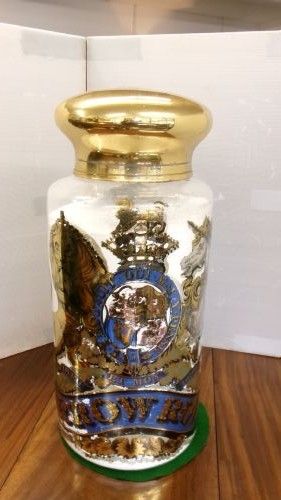
Surface decoration on these jars involves techniques such as etching and the application of paper labels, paint, enamel, and gold leaf. Supplementary components on related pharmacy bottles and display jars sometimes utilise brass fixtures.
Retail Price Guide 2026
Typical UK retail prices for clear glass apothecary jar, calculated from the Sellingantiques database of over a million retail prices indexed since 2003. This retail price guide relies exclusively on Sellingantiques data; no external sources or auction records are used, so the figures do not describe the wider market.
Listings for this phrase span the Georgian, Victorian, and Edwardian periods, utilising materials such as clear glass, cut glass, brass, enamel, and gold leaf.
What varies in quality
Quality in these jars is determined by the clarity and thickness of the glass, alongside the crispness of any cut or etched decoration. Superior examples display substantial weight and intentional optical characteristics rather than mundane utilitarian casting.
The presence of original matching covers, intact hand-painted or gold leaf paper labels, and specialised labelling such as arrowroot or gelatine elevates a piece above standard generic storage bottles.
The Clear Glass Apothecary Jar Glossary
- Apothecary jar
- A vessel used historically by chemists and pharmacists to store medicinal substances, herbs, or preparations. These containers typically feature a fitted cover and clear glass construction to display the contents.
- Tincture bottle
- A narrow-necked glass bottle designed to hold alcoholic medicinal extracts. These bottles are a specific subset of pharmacy glassware often found paired in sets.
- Cut glass
- Glass decorated by grinding facets or patterns into the surface using a wheel. This technique creates reflective surfaces and substantial weight in Edwardian and Victorian pieces.
- Etched glass
- Glass featuring a design carved into the surface by acid or mechanical abrasion. This method was frequently utilised on nineteenth-century shop jars to denote specific contents like gelatine or pickles.
Frequently Asked Questions
What were apothecary jars used for?
These jars served as functional storage vessels in historical pharmacies and chemist shops. They held dry medicines, botanical ingredients, powders, and preserved goods.
In contemporary settings, their substantial construction makes them practical for decorative display or storage within a home interior.
How do I date a glass apothecary jar?
Dating relies on observing manufacturing marks, glass characteristics, and stylistic traits associated with Georgian, Victorian, or Edwardian eras. Hand-blown inconsistencies and etched labels often point towards nineteenth-century origins.
Archival examples and period titles provide further benchmarks for identifying typical production methods from specific decades like the 1880s and 1890s.
Are apothecary jars always clear glass?
While the focus remains on clear glass versions, historical apothecary containers also appear in coloured glass or incorporate decorative elements like gold leaf and paper labels. Cut glass variations add texture to the standard transparent material.
Each iteration served specific functions within the chemist's shop, from standard shelf storage to prominent window displays.
How should I clean an antique glass jar?
Cleaning historic glass requires gentle handling to preserve fragile interior surfaces, aged patination, and any remaining paper labels or gold leaf. Lukewarm water and mild soap are generally sufficient for the glass body.
Avoid submerging or scrubbing areas with original painted or paper identification labels to maintain the historical integrity of the piece.