


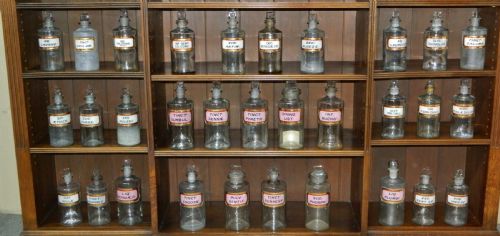

19th Century Pharmacy Bottle
A 19th century pharmacy bottle brings tactile glass and fitted mahogany into a room with the quiet precision of an apothecary's shop.
19th Century Pharmacy Bottle
When you search for a 19th century pharmacy bottle, you encounter blown glass vessels, tincture jars, and fitted wooden travelling cases designed to hold medicinal supplies. These pieces originate across the Victorian, Georgian, and Regency periods, carrying the utilitarian forms of chemists and apothecaries.
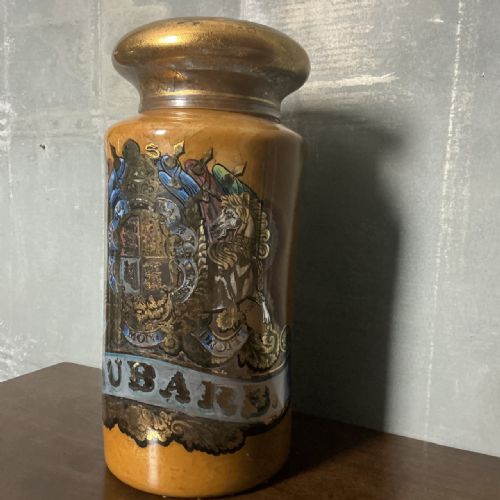
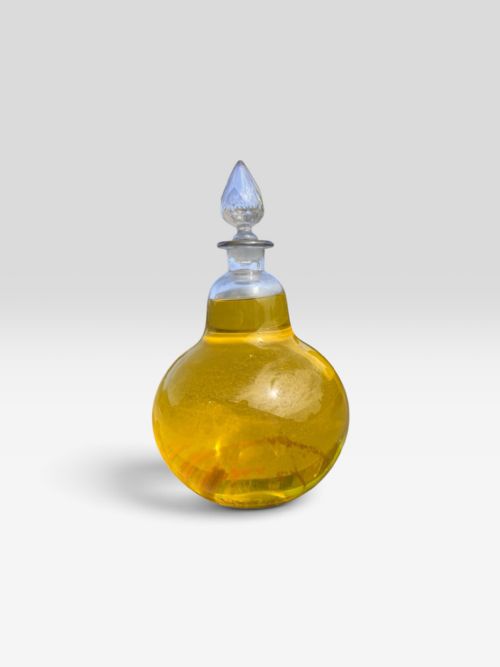
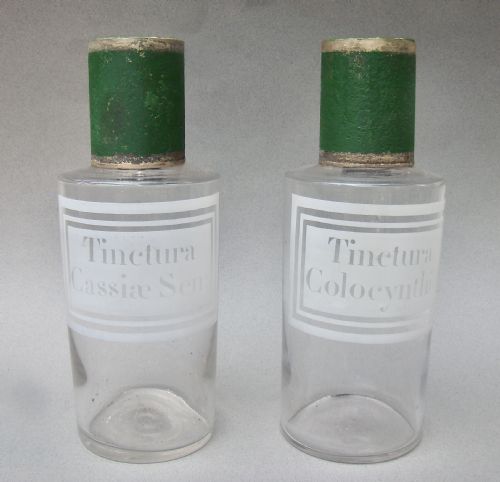
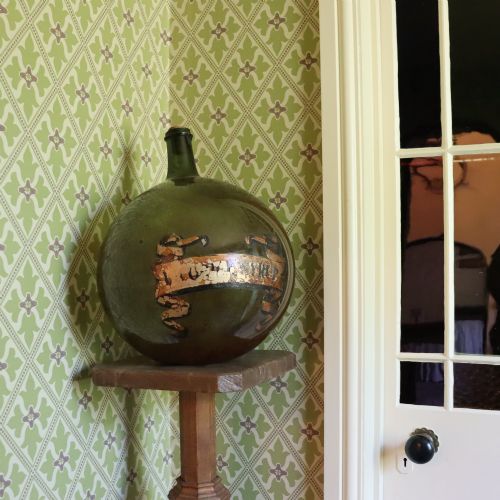
You are most likely to meet hand-blown glass carboys, chemist jars with covers, and complete mahogany apothecary box chests filled with smaller bottles. The selection ranges from single etched French jars to large glass vessels and sets of multiple jars.
The materials span clear and coloured glass, often paired with gold leaf labelling, alongside mahogany boxes fitted with brass hardware, paper labels, and painted details. Some examples retain velvet linings and internal drawers designed to secure delicate glassware.
How they were made
Glass pharmacy bottles and carboys were hand-blown, resulting in characteristic surface ripples, bubbles, and pontil marks left by the manufacturing process. Etched designs and gold leaf lettering were applied by hand to identify the contents of each jar.
Apothecary boxes and travelling chests were constructed from solid mahogany, often featuring fine joinery, inlaid wood details, and fitted internal compartments. Brass handles, hinges, and locks were integrated to secure the wooden cases for transport.
Several apothecary boxes still conceal tiny internal drawers meant for powders and scales.
What varies in quality
Quality rests in the survival of original components, such as matching glass covers, legible gold leaf labels, and complete sets of internal bottles within fitted mahogany chests. Examples that retain their original paper labels or painted pharmacy details command greater interest.
The crispness of the hand-blown glass, the weight of the mahogany timber, and the precision of the brass hardware distinguish finer items from simpler utilitarian vessels. Completeness - such as a travelling case retaining its full complement of glass bottles and drawer elements - defines the upper tier of these pieces.
The 19th Century Pharmacy Bottle Glossary
- Carboy
- A large glass bottle or vessel, often enclosed in protective framing or displayed on its own, used in pharmacies to hold liquids.
- Tincture bottle
- A smaller glass jar specifically designed to store alcoholic extracts of medicinal substances.
- Pontil mark
- The scarred indentation on the base of hand-blown glass where the pontil rod was snapped away after shaping.
- Mahogany
- A durable, reddish-brown tropical hardwood frequently utilised for superior apothecary boxes and travelling chests during the Georgian and Victorian eras.
- Chemist jar
- A glass vessel used in pharmacy interiors to display or store dry ingredients and liquids.
19th Century Pharmacy Bottle: Frequently Asked Questions
What is a 19th century pharmacy bottle?
These are hand-blown glass vessels and jars created for use by chemists and apothecaries during the 1800s and Victorian era.
They were utilised to store medicines, liquids, and dry ingredients, often featuring etched labels or gold leaf inscriptions.
How were apothecary boxes used?
Apothecary boxes and travelling cases were fitted with internal compartments, drawers, and glass bottles to transport medical supplies securely.
Doctors and practitioners carried these mahogany chests when visiting patients or travelling.
How do I date a glass pharmacy bottle?
Dating relies on observing manufacturing traits such as hand-blown glass characteristics, pontil marks, and the style of any lettering.
Periods represented include Georgian, Regency, and Victorian, each showing distinct glass forms and cabinetmaking techniques.
What materials are found on these pieces?
The primary materials are hand-blown glass and mahogany, frequently supplemented by brass hardware, paper labels, and gold leaf.
Internal elements may also include velvet linings, paint, and metal fittings within fitted wooden chests.
Are bottle stoppers and covers original?
Many surviving jars retain their matching glass covers or stoppers, though replacements do occur due to the fragile nature of glass.
Examining the fit and glass consistency helps determine whether the cover belongs to the vessel.