



Apothecary Storage Jar
These apothecary storage jars range from seventeenth-century earthenware vessels to tall nineteenth-century glass display pieces that bring utilitarian authenticity to any room.
Apothecary Storage Jar
An apothecary storage jar serves as a tangible link to historical dispensaries and pharmacies, functioning originally to hold dry drugs, wet syrups, and botanical compounds. When searching for an apothecary storage jar, buyers encounter diverse forms ranging from tin-glazed earthenware drug jars to tall blown glass carboys and timber canisters.
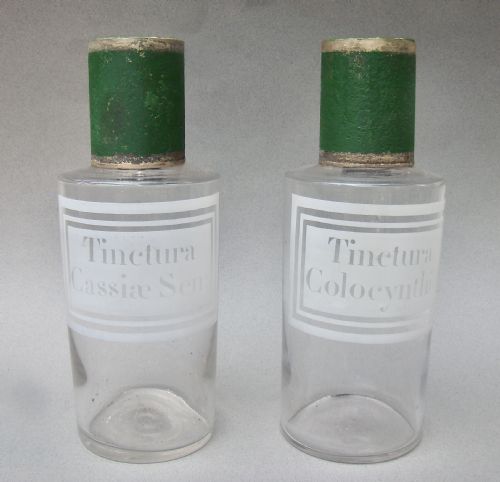
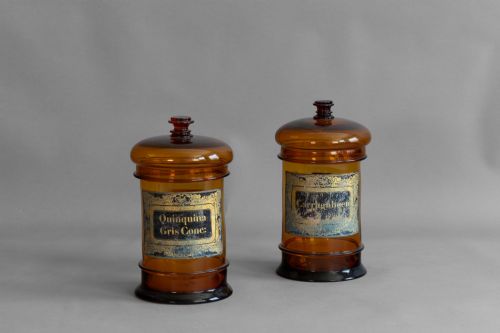
The versions most frequently met on this page date from the nineteenth century, often appearing in pairs or sets of matched chemist containers. These glass and ceramic pieces frequently retain traces of their original contents or paper labels, showing how substances were stored before modern packaging.
Examples stretch back through the eighteenth century into distinct regional styles, including English Delftware, Dutch Baroque, Italian Majolica, and French blown glass. Collectors find everything from modest single pharmacy vessels to large decorative display jars complete with original covers.
Materials and construction methods
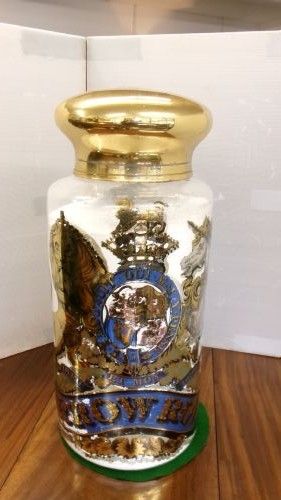
Makers fashioned these apothecary storage jars primarily from blown glass, tin-glazed earthenware, and creamware, applying gold leaf, paint, and intricate glazes for identification. Glass versions utilise techniques of free-blowing and etching, while ceramic examples rely on traditional throwing and tin-glazing methods.
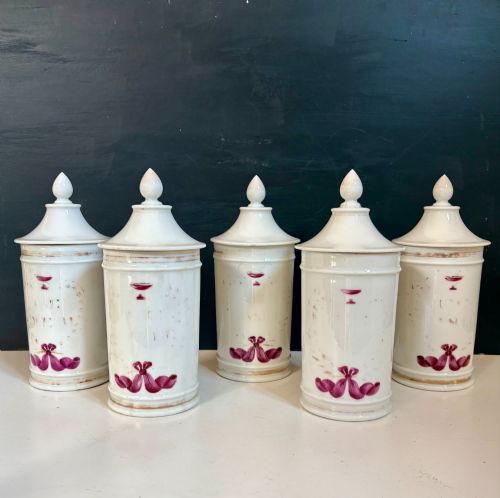
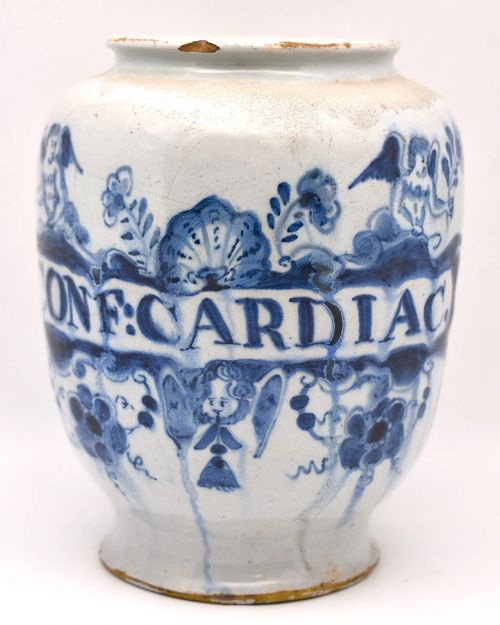
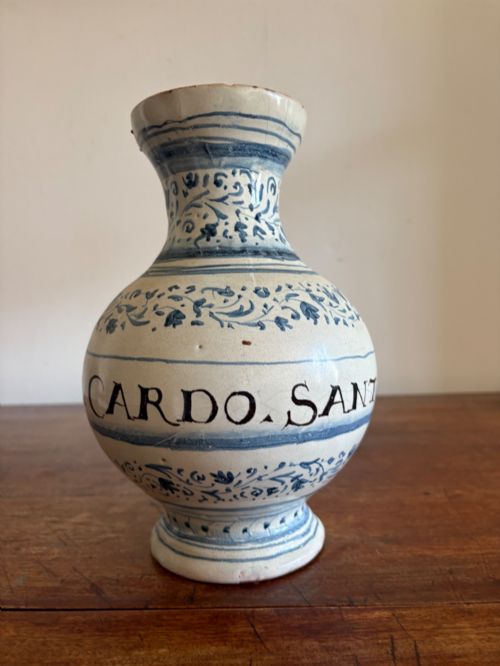
Potters shaped earthenware and majolica bodies on the wheel before coating them in opaque white tin glazes, then painting botanical titles and pharmaceutical symbols directly onto the surface in cobalt blue or polychrome pigments.
Listings feature apothecary storage jars spanning the eighteenth and nineteenth centuries, utilising glass, tin glaze, earthenware, and boxwood.
Assessing quality in historical apothecary vessels
Quality rests upon the clarity and weight of the blown glass, the crispness of painted inscriptions on ceramic bodies, and the survival of original matching covers. Superior pieces retain their authentic surface wear, legible hand-painted drug labels, and balanced proportions without heavy modern restoration.
Sets and pairs command greater attention than isolated vessels, particularly when they maintain uniform colour, intact ground stoppers, and original gilded or etched ornamentation from their working life in the pharmacy.
Samuel Alcock and Co
The Apothecary Storage Jar Glossary
- Carboy
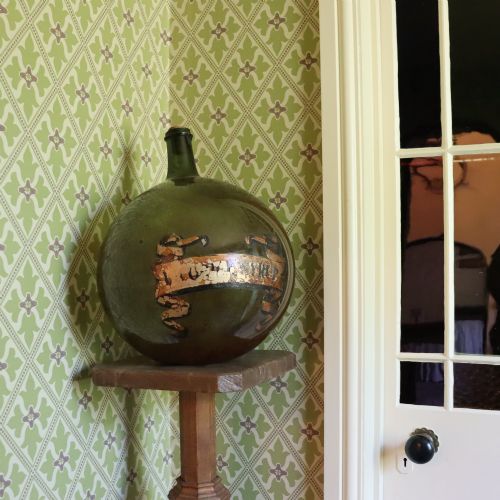
- A large, globular glass bottle or jar, often enclosed in a protective basket or standing independently on a base, utilised in large-scale apothecary storage. These impressive vessels held liquids and chemicals in bulk within nineteenth-century dispensaries.
- Delftware
- Tin-glazed earthenware produced in England or the Netherlands, typically decorated in blue and white with pharmaceutical inscriptions. This porous ceramic body required an opaque lead and tin glaze to provide a smooth canvas for drug names.
- Majolica
- Italian tin-glazed earthenware known for vibrant polychrome decoration and rich surface colours. Potters used this technique during the eighteenth century to create ornate wet drug jugs and storage jars for European pharmacies.
- Creamware
- A refined earthenware developed in England during the eighteenth century, distinguished by its pale yellow or cream-coloured lead glaze. It offered a lighter, more durable alternative to traditional tin-glazed vessels.
- Wet Drug Jug
- A specialised apothecary container designed with a spout and handle to pour liquid medicines, syrups, and oils cleanly. These vessels frequently feature abbreviated Latin inscriptions indicating specific pharmaceutical contents.
Apothecary Storage Jar: Frequently Asked Questions
What did historical pharmacies store inside these jars?
Pharmacies utilised these vessels to hold dried roots, powders, chemical compounds, and liquid syrups required for compounding medical prescriptions.
Labels and inscriptions painted directly onto the glass or tin glaze indicated the exact contents to the apothecary working in the shop.
How do I distinguish eighteenth-century delftware from later glass jars?
Eighteenth-century delftware consists of opaque, tin-glazed earthenware featuring hand-painted drug titles, whereas nineteenth-century alternatives rely primarily on clear, amber, or green blown glass.
Glass vessels frequently employ etched lettering or paper labels rather than the ceramic pigments found on earlier drug jars.
Where should I display glass carboys in my home?
Large glass carboys suit bright spaces near windows where natural light can pass through the tinted or clear blown walls.
Placed on wooden sideboards or directly on the floor, their substantial proportions anchor a room and showcase historical manufacturing techniques.