
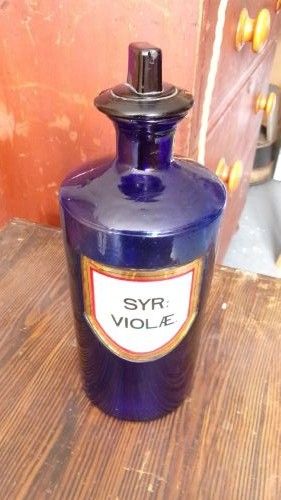


Victorian Glass Chemist Jar
These Victorian glass chemist jars bring heavy blown vessels and bright medicinal labels straight from old shop counters into the modern room.
Victorian Glass Chemist Jar
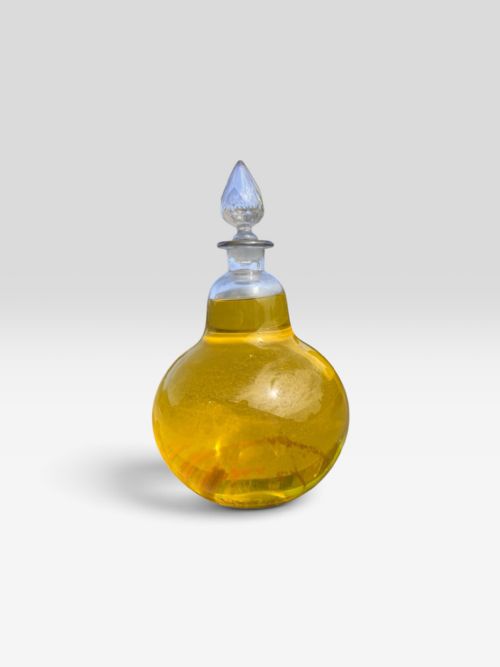
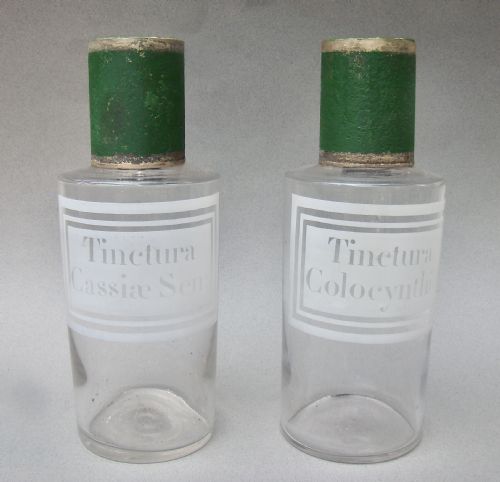
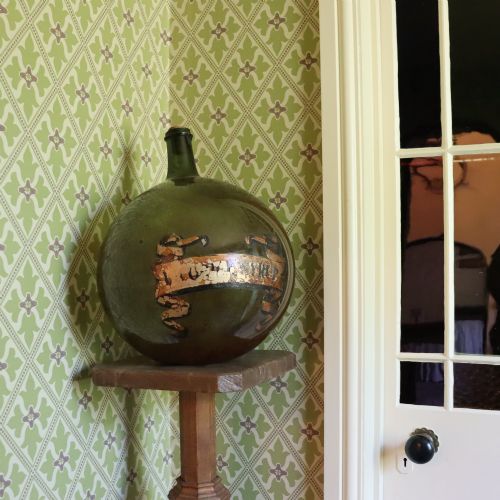
A victorian glass chemist jar covers heavy hand blown pharmacy carboys, display vessels with covers, and tall apothecary bottles meant for shop windows and shelves. Most pieces carry the robust marks of nineteenth century production, often complete with paper labels, gold leaf lettering, and matching stoppers.
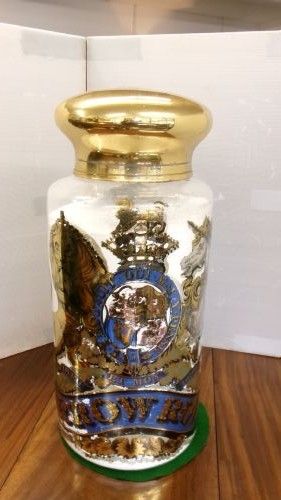
The selection ranges from large display jars labelled for contents like arrowroot and gelatine to tall carboys and sets of smaller drug bottles. You encounter deep cobalt blue Bristol glass, clear glass, and green glass vessels spanning the nineteenth century and into nineteen hundred.
Making the glass
These vessels rely on hand blowing techniques that leave natural bubbles and slight surface irregularities in the glass. Workers shaped the hot metal into thick-walled carboys, display jars, and pharmacy bottles designed to withstand daily apothecary use.
Decoration includes applied paper labels, etched designs, paint, and gold leaf lettering applied to the exterior. Stoppers were ground by hand to fit individual bottle necks, whilst some examples incorporate brass or metal elements.
Listings feature nineteenth century and nineteen hundred periods, utilising glass, gold leaf, paper, brass, paint, metal, cobalt glass, and clear glass.
Judging quality and character
Quality rests in the survival of original components, particularly matching stoppers and intact paper or gold leaf labels. Vessels that retain their original painted contents descriptions or clear etched decoration command stronger presence on the shelf.
The weight and clarity of the hand blown glass distinguish finer pieces, alongside scale and proportion in large carboys and display jars. Pairs and sets demonstrate greater uniformity in manufacture than single mismatched bottles.
The Victorian Glass Chemist Jar Glossary
- Carboy
- A large rounded glass bottle, usually enclosed in protective housing or sitting on its own base, used in pharmacies for bulk liquids. These heavy vessels formed the centrepiece of nineteenth century chemist shop window displays.
- Bristol Blue
- A deep cobalt blue glass traditionally produced in the Bristol area during the eighteenth and nineteenth centuries. This intense colour protected light-sensitive medicinal contents while creating a striking visual display.
- Lollipop Stopper
- A glass stopper featuring a flat, circular disc top that resembles a lollipop. This specific shape provides a comfortable grip for frequent opening in a busy apothecary shop.
- Apothecary Jar
- A vessel specifically formed to store medicinal drugs, herbs, and chemicals in a pharmacy. They frequently feature tight-fitting covers and clear labelling to identify the contents.
Victorian Glass Chemist Jar: Frequently Asked Questions
What were chemist jars used for?
Apothecaries used these jars and bottles to store dry drugs, herbs, chemicals, and liquids safely behind the counter or on display shelves. Large carboys held distilled water or coloured liquids to attract customers from the street.
Smaller bottles held specific medicinal ingredients ready for compounding prescriptions. The heavy glass and tight stoppers protected sensitive contents from moisture and air.
How do I date a glass chemist jar?
Examine the base for pontil marks and irregularities left by hand blowing techniques typical of nineteenth century manufacture. The presence of thick, heavy glass, rough pontil scars, and hand-ground stoppers points towards the Victorian period rather than later machine-made production.
Styles of lettering, etched French designs, and specific label formats help narrow the date range alongside the tint of the glass, such as deep Bristol blue or clear metal-moulded variants.
How do I display chemist jars at home?
Place large carboys and display jars near windows where natural light can pass through the clear, green, or cobalt blue glass. Grouping sets of smaller pharmacy bottles together creates the authentic appearance of an old dispensary shelf.
Ensure heavy vessels sit on stable, level surfaces capable of supporting substantial glass weight. Table lamp conversions also offer a way to integrate wired Victorian apothecary jars into daily lighting.