



Antique Glass Shop Jar
An antique glass shop jar brings the functional history of the chemist and apothecary directly into a modern interior.
Antique Glass Shop Jar
When you search for an antique glass shop jar, you encounter utilitarian vessels originally designed to store dry drugs, herbs, and chemical preparations in pharmacies and dispensaries. The examples on this page span the nineteenth century and the year 1900, taking the form of large display jars with covers, chemist jars, carboys, pharmacy bottles, and drug bottles. These items reflect the practical requirements of nineteenth century commerce and medical practice, originating from British and French contexts.
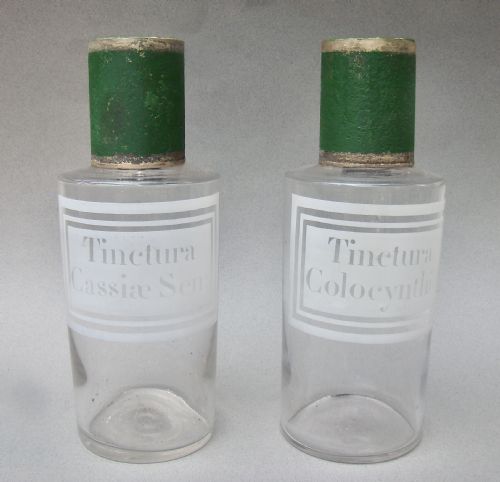
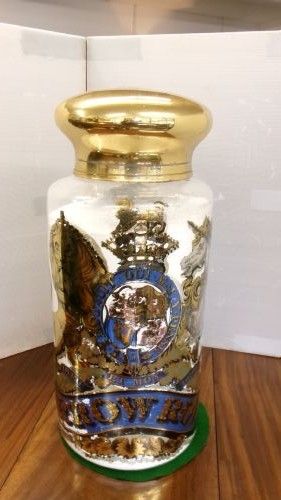
The most common versions met here include nineteenth century apothecary jars and Victorian bottles, often complete with lids or covers. You will find both plain clear glass display vessels and striking coloured pieces, such as Bristol blue glass and green glass drug bottles. Many retain their original labels or painted details, providing a direct link to their commercial origins.
Object types vary from massive display vessels meant for shop windows to smaller pharmacy bottles designed for dispensary shelves. Styles encompass the Victorian aesthetic, French nineteenth century design, and specialised apothecary forms. Each piece demonstrates the heavy, durable glass construction necessary for daily use in a busy nineteenth century shop.
How they were made
The fabrication of an antique glass shop jar relies fundamentally on heavy glass, shaped through traditional blowing and moulding techniques to withstand rigorous daily handling in a pharmacy. Makers utilised clear glass, mercury glass, and coloured glass such as Bristol blue and green, ensuring the contents remained visible or protected from light as required. Metal components like brass occasionally appear in the mounts and fittings of these vessels.
Surface decoration and labelling required specialised artisanal skills, incorporating gold leaf, enamel, and paint directly onto the glass body or onto applied labels. Etching techniques also appear on French examples, creating frosted designs and lettering that identified the pharmaceutical contents inside. These applied finishes were bonded to the glass to endure decades of cleaning and shop use.
Antique Glass Shop Jar Retail Price Guide 2026
Typical asking prices for glass shop jar among the pieces listed under this phrase on Sellingantiques today, from the lower quarter to the upper quarter. They describe what is for sale here now, not the wider market.
The listings on this page span the nineteenth century, the year 1900, and the Edwardian period, incorporating materials such as brass, enamel, gold leaf, and mercury glass.
What varies in quality
The distinction between standard utility vessels and finer examples rests on the depth of the glass colour, the clarity of the material, and the crispness of any applied decoration. Pieces featuring rich hues like Bristol blue or intricate gold leaf lettering display a higher level of decorative ambition than plain utility bottles. The presence of matching original covers and undamaged painted labels significantly elevates the desirability of a jar.
Proportion and scale also dictate quality, particularly among large display jars and carboys where uniform thickness and minimal optical distortion in the glass indicate superior craftsmanship. French etched jars demonstrate refined surface work that sets them apart from basic blown storage containers. Overall quality is judged by how successfully a utilitarian object transcends its industrial origins through decorative presence.
The Antique Glass Shop Jar Glossary
- Carboy
- A large, bulbous glass bottle or jar, often enclosed in a protective basket or frame, used in apothecaries for holding and storing bulk liquids.
- Mercury glass
- A type of blown double-walled glass filled with a silvering liquid and sealed, creating a mirror-like reflective finish popular in the nineteenth century.
- Bristol blue
- A deep cobalt blue glass traditionally produced in the English city of Bristol during the eighteenth and nineteenth centuries, frequently used for apothecary bottles.
- Apothecary jar
- A vessel specifically formed to hold dry medicines, herbs, or compounds, usually distinguished by a wide mouth and a fitted lid.
Antique Glass Shop Jar: Frequently Asked Questions
What were glass shop jars used for?
These jars served as functional storage containers in nineteenth century chemists, dispensaries, and apothecary shops. They held dry drugs, herbs, chemicals, and medicinal preparations ready for dispensing to customers.
Larger vessels and carboys were also utilised for bulk storage or placed in shop windows to attract the attention of passers-by with their coloured contents.
How do I date an antique shop jar?
Dating relies on observing the manufacturing techniques, such as pontil marks on the base, the weight and thickness of the glass, and the style of any lettering. Nineteenth century examples often exhibit distinct hand-blown characteristics and specific label typography.
Comparing the form and materials to documented Victorian or Edwardian pharmacy pieces helps narrow the period of production.
Where were apothecary jars displayed in shops?
Chemists typically arranged these jars on wooden shelving units behind the dispensing counter or lined them up neatly in the front windows. Coloured glass bottles and large carboys caught the natural light to advertise the presence of the pharmacy.
Smaller drug bottles were kept close to hand for quick access during the compounding of medical prescriptions.
How should I clean my antique glass jar?
Gentle cleaning with warm water and a soft cloth is usually sufficient for maintaining nineteenth century glass surfaces. Avoid using harsh chemical detergents or abrasive pads that might damage painted details, gold leaf, or delicate paper labels.
If the interior requires attention, rinse carefully and allow the vessel to dry naturally without applying excessive internal pressure.