


Victorian Apothecary Jars
Victorian apothecary jars bring the utilitarian history of the nineteenth-century chemist straight into domestic interiors.
Victorian Apothecary Jars
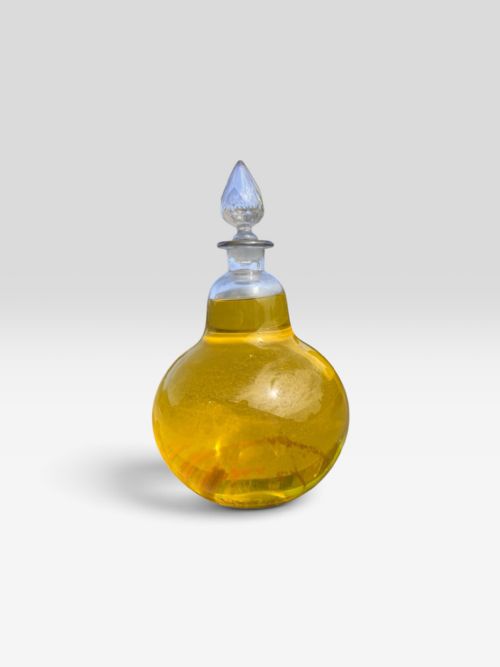
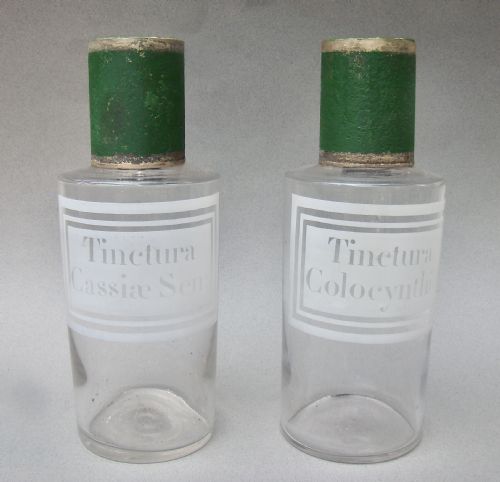
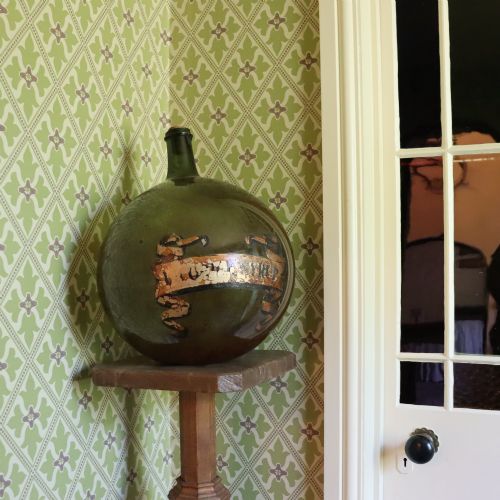
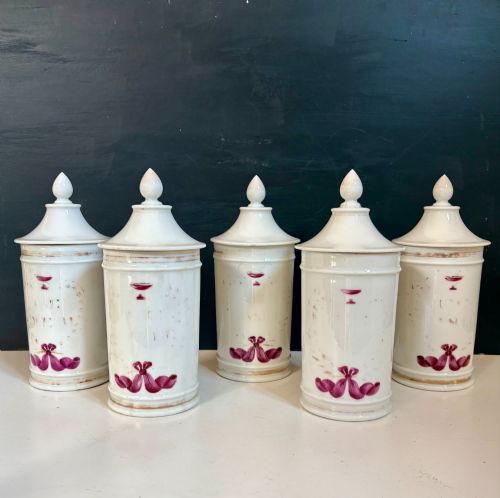
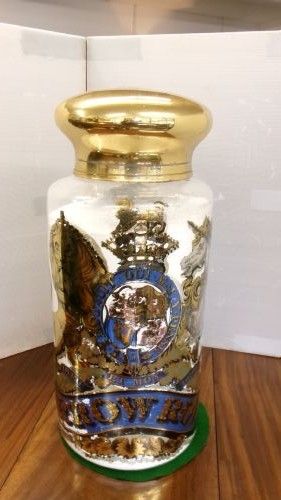
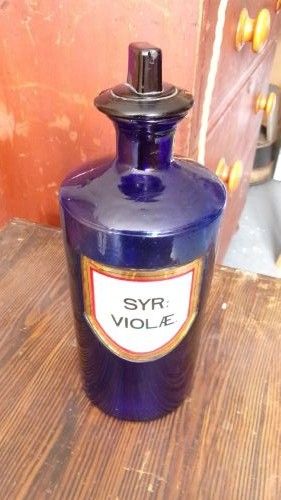
Victorian apothecary jars encompass glass pharmacy carboys, chemist bottles with stoppers, and lidded storage vessels originating from the nineteenth century. Buyers seek these pieces for their clear, blue, or green glass bodies, often finished with paper labels or gold leaf lettering designating contents such as arrowroot or gelatine. The most frequent finds on this page include glass pharmacy bottles, display carboys, and sets of lidded jars dating from the Victorian era.
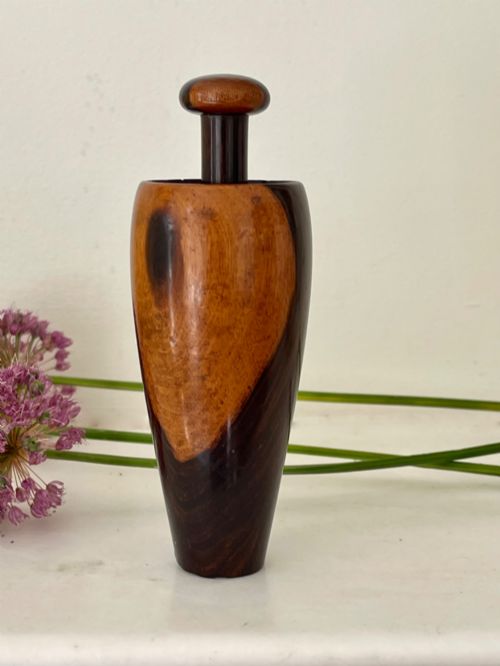
Beyond standard glass containers, the selection includes turned wooden vessels like box wood and sycamore jars, mortar and pestle sets, and ceramic pieces. Examples range from small individual pharmacy bottles to large display carboys meant for shop windows and table lamps converted from Victorian jars. French nineteenth century styles and Edwardian additions also appear alongside standard Victorian items.
Assessing Quality and Character
Quality in these pieces rests upon the clarity and weight of the glass, the crispness of cut facets, and the survival of original paper labels or gold leaf lettering. Heavy lead crystal and large hand blown carboys demonstrate superior glasshouse production.
The presence of matching sets, original stoppers, and well-preserved maker details or contents labels elevates certain vessels above standard utilitarian bottles. Conversely, plain commercial glass without labels represents a simpler tier of the range.
Arrowroot and gelatine once filled these very glass display jars, transforming dry medical supplies into striking Victorian window ornaments.
Samuel Alcock and Co
The Victorian Apothecary Jars Glossary
- Carboy
- A large glass vessel used in pharmacies for holding liquids, often displayed in shop windows during the nineteenth century. These containers frequently include glass stoppers.
- Lead Crystal
- A heavy, clear glass variety containing metal oxide that yields greater brilliance and depth when cut.
- Treen
- Small domestic objects made of wood, encompassing turned items such as mortars, pestles, and wooden storage jars.
- Mary Gregory
- Glassware decorated with painted white enamel figures, typically children in pastoral settings, popular during the Victorian period.
- Bristol Blue
- A deep cobalt blue glass produced in Bristol and utilised widely for chemist bottles to protect contents from light.
Victorian Apothecary Jars: Frequently Asked Questions
What were apothecary jars used for?
These vessels held dry drugs, herbs, chemicals, and liquids in nineteenth-century pharmacies and dispensaries. Large carboys sat in windows to signal the chemist's trade to the street.
Smaller bottles stored specific medicinal ingredients behind the counter, keeping contents dry and secure behind glass stoppers and lidded covers.
How do I clean vintage glass jars?
Wash glass surfaces gently with warm water and mild soap, avoiding harsh scrubbing near paper labels or gold leaf. Original paper labels require complete protection from moisture to prevent loss.
Wooden containers need dry dusting rather than immersion in water to preserve the finish of box wood and sycamore.
How do I identify a Victorian jar?
Look for pontil marks on the base of hand blown glass, which indicate the vessel was detached from the glassblower's iron. Thick walls, irregular bubbles, and historic paper labels also point to nineteenth-century manufacture.
Matching sets often feature hand-lettered gold leaf or distinct Victorian typography on white labels.
Can I use them to store food?
Many lidded glass jars and ceramic vessels function well for dry storage in modern kitchens. Buyers should inspect the interior of each piece for historic chemical residues before storing consumables.
Items with delicate gold leaf or fragile paper labels suit decorative display rather than kitchen use.